Caffeine and Asthma
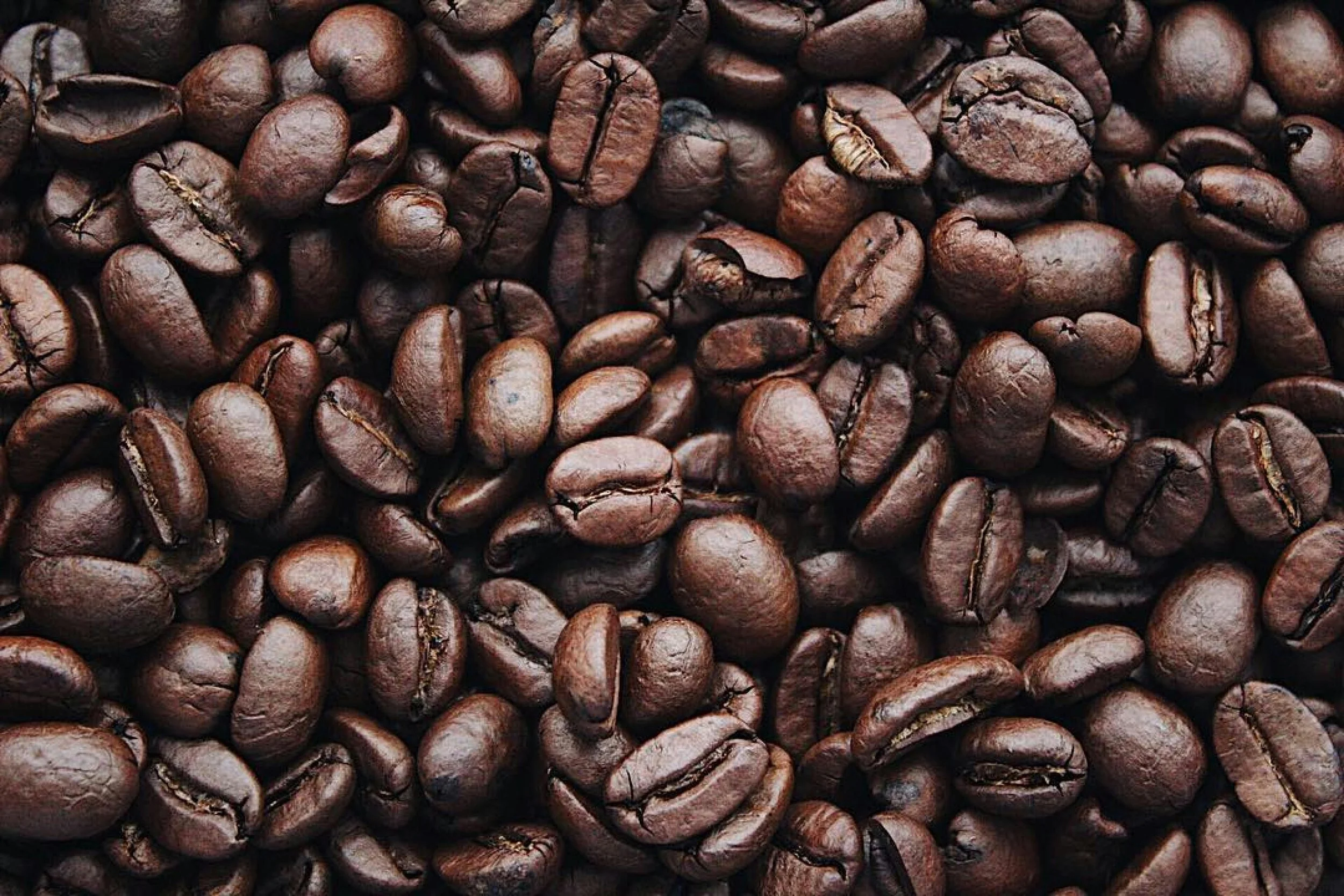
I’ve had intermittent bouts of asthma throughout my life and it is usually triggered by allergies. I was recently in Brazil for 3 weeks, and my asthma worsened. I’m not sure what triggered it, but I had only brought one inhaler and it was almost empty. We drink a fair amount of coffee when we go there, and I noticed that it seemed to improve my symptoms. That’s when I remembered something I learned in grad school; caffeine belongs to a class of compounds called methylxanthines, the same class that includes theophylline, a drug that has been used for decades to treat asthma and chronic lung diseases like COPD.
I decided to see if caffeine can have a positive effect on asthma. So I dug into the research, and this is what I found:
1. Small but measurable improvement in lung function
Multiple studies show that a single caffeine dose improves FEV₁ (forced expiratory volume in 1 second) by about 5–12% in mild-to-moderate asthmatics.
The effect starts within ~30 minutes, peaks at ~1–2 hours, and lasts up to 4 hours.
2. Reduced airway hyper-responsiveness
Some trials found caffeine made airways less reactive to triggers (e.g., allergens, cold air), but the effect was mild.
3. Possible reduction in exercise-induced bronchoconstriction
Especially in athletes with asthma, caffeine taken before exercise reduced the fall in lung function afterwards.
Example: In Trinh et al., 1999, 9 mg/kg caffeine significantly reduced airway narrowing after intense activity.
4. No evidence for long-term control
All studies tested single doses, not daily use.
There is no strong evidence that caffeine prevents asthma attacks or improves symptoms long-term.
So it appears that there is some modest benefit. However, habitual coffee drinkers will likely have a higher tolerance, reducing the effect. It’s important to note that it is not a substitute for traditional treatment, however in the absence of an inhaler, it may act as a stop gap. It certainly helped me.
References:
Worthington BL, Anderson SD, Tikellis G, et al. Caffeine for asthma. Cochrane Database Syst Rev. 2010;(1):CD001112. doi:10.1002/14651858.CD001112.pub2
Becker RJ, Simons FER, Gillespie CA. Acute effects of caffeine on airway function in patients with asthma. Am Rev Respir Dis. 1984;129(6):909-912. doi:10.1164/arrd.1984.129.6.909
Trinh CK, Fahey GC, Mai LM, McKenzie DC. The effect of caffeine on exercise-induced bronchoconstriction. Med Sci Sports Exerc. 1999;31(5):694-699. doi:10.1097/00005768-199905000-00007
Tashkin RE. Caffeine and other methylxanthines: their potential for use in asthma. J Allergy Clin Immunol. 1986;78(4 Pt 2):686-690. doi:10.1016/0091-6749(86)90139-5
Global Initiative for Asthma (GINA). Global Strategy for Asthma Management and Prevention. Updated 2024. Accessed August 13, 2025. https://ginasthma.org