How Grip Strength Training Can Lower Blood Pressure
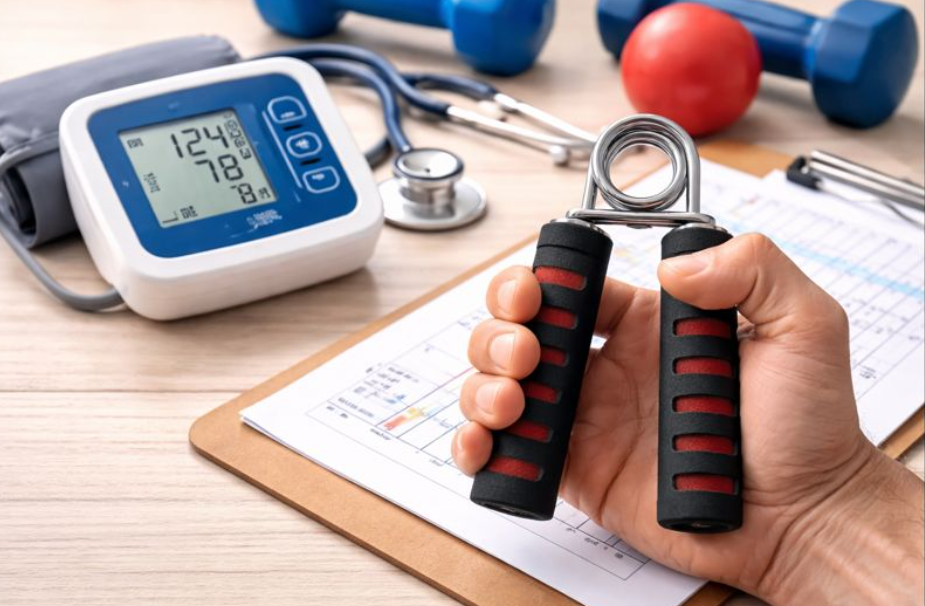
Researchers studying pilots in the United States Air Force noticed something curious. Pilots are exposed to intense gravitational forces (G-forces) during flight maneuvers. These forces can cause blood to pool away from the brain, increasing the risk of blackouts. To stay conscious, pilots instinctively and deliberately clench their muscles, especially their hands and forearms, during high-G maneuvers.
Scientists observed that this sustained muscle contraction helped pilots maintain blood pressure and cerebral blood flow under extreme conditions. That insight sparked a key question:
Could controlled muscle contraction be used therapeutically to regulate blood pressure on the ground?
Unlike traditional strength training, isometric exercise involves contracting a muscle without moving it.
With grip training, this usually looks like:
Squeezing a handgrip device or stress ball
Holding the contraction at about 30-40% of maximum effort
Maintaining the squeeze for 1-2 minutes at a time
How Grip Training Lowers Blood Pressure
Research that followed the Air Force findings uncovered several key mechanisms:
1. Improves Vascular Function
Isometric contractions stimulate the lining of blood vessels (the endothelium), helping them become more flexible and responsive. Healthier vessels = lower resistance = lower blood pressure.
2. Trains the Nervous System
Grip training appears to reduce overactivity of the sympathetic nervous system (the “fight or flight” response), which is often elevated in people with hypertension.
3. Enhances Baroreceptor Sensitivity
Baroreceptors are pressure sensors in your arteries. Isometric training may help them respond more accurately, improving blood pressure regulation.
4. Lowers Resting Blood Pressure Over Time
Multiple studies show average reductions of:
5-10 mmHg systolic
3-6 mmHg diastolic
A common protocol:
4 rounds of gripping
1-2 minutes per round
3-5 sessions per week
That’s under 15 minutes, total.
For people who:
Can’t tolerate intense exercise
Have joint pain
Are new to fitness
Need a low-barrier habit
Who Can Benefit the Most?
Grip strength training may be especially helpful for:
People with pre-hypertension or hypertension
Adults over 40
Those with high stress levels
Patients looking for non-pharmacologic support
Individuals already exercising who want an added edge