
Questions? Or do you want me to blog on a specific topic? Email me at: drchris@dpt.services
Want to get the latest blog posts? Sign up for the Thursday Three Newsletter below.

Could Flip Flops be Good For Plantar Fasciitis?
We were told it’s all about the right shoes. We were told shoes should give us more stability and have an arch. This was not based on science and has potentially led to harming our feet. Plantar fasciitis is a debilitating, knife-in-the-foot kind of pain. Instead of getting into the right shoes, maybe it’s getting out of the wrong shoes. As you’ll see, the approach to treating plantar fasciitis has been very wrong.

We were told it’s all about the right shoes. We were told shoes should give us more stability and have an arch. This was not based on science and has potentially led to harming our feet. Plantar fasciitis is a debilitating, knife-in-the-foot kind of pain. Instead of getting into the right shoes, maybe it’s getting out of the wrong shoes. As you’ll see, the approach to treating plantar fasciitis has been very wrong.
We were told that this is an inflammatory condition (also wrong). In 2003, Harvey Lamont analyzed the tissues of 50 of his patients that had plantar fasciitis, and found none of them had inflamed tissue, rather they had necrosis (dead tissue). This was even found in younger patients. It turns out that an adducted position of the big toe (pointed laterally towards the second toe) causes a muscle known as abductor hallucis to compress an artery in the foot; namely the lateral plantar artery near the heel. This leads to decreased blood vessel diameter and blood flow. In a study in 2019, (Jacobs et al.) found that immediately following passive adduction of the big toe, there was a 60% decrease in blood flow, which in some individuals corrected to a 22.2% decrease, suggesting some individuals may be able to adapt. This may explain why some do fine with the wrong shoes, and some do not.
When you decrease blood flow to a tissue, over time it dies. So it appears that plantar fasciitis is more of a problem of dead tissue, not inflamed tissue. So already out of the gate, we have a problem with the diagnosis. Let’s discuss how we were told to treat this condition and break down what we’ve been doing wrong, and what we should be doing.
As a therapist, we were taught that you ice something inflamed. Well turns out that is a bad idea. You should never ice something that is inflamed, and if you want the details on that, check out this podcast I did with Gary Reinl. Although, this is a necrotic situation, so icing would reduce blood flow and still not be a good idea.
We were told to strengthen and stretch the area. We got the strengthening part right but the stretching part totally depends on what you are stretching. This gets more into shoeware and how it probably causes plantar fasciitis in the first place. Here is a video explaining it:
So a shoe that has a narrow toe box, a toe spring, and elevated heel is bad for you. It causes the extensor tendons of the big toe and the gastroc (calf) to stiffen and shorten, and places the plantar fascia in an elongated and tensed position. On top of that, we have the toe box placing the big toe into adduction, cutting off blood supply and causing some of the plantar fascia to die and weaken. One of the roles of the plantar fascia is to support and stabilize the foot. Well a half dead and elongated tissue will not do a good job of stabilizing the foot.
On top of all that, overly rigid shoes allow the muscles of the foot (especially the intrinsics) to relax and weaken over time. These intrinsic muscles play a vital role in supporting the arch. So if we have weak muscles and a destabilized plantar fascia, we have the recipe for a painful, collapsed foot.

Be sure you put your feet in the right place, then stand firm. -Abraham Lincoln
So like Abe says, get those feet firm. That’s priority number 1. That brings in the flip flops. As I mentioned in the video, the toe extensors become shortened. You can stretch them like so:
Now, you want to strengthen the foot. I would start by being barefoot more often and not allowing the arch to touch the ground. If you were to wear flip flops, such as Haviannas (as I am obsessed with), your big toe has to press downward to keep the flip flop on, strengthening what is weak.
So, get out of the wrong shoes, stretch the toe extensors, don’t ice, and be barefoot. Maybe even wear flip flops. Sound like the opposite of what you’ve been told? Well if your plantar fasciitis keeps coming back and you’ve been doing the classic rolling on a frozen water bottle and stretching your plantar fascia, it’s probably not working.
Want to rebuild your arch? We’ve put a program together that you can do at home. Check it out here.
A special thanks to Dr. Aaron Horschig and Dr. Ray McClanahan, whose podcast inspired this line of thought. Listen here.
References:
Lemont H, Ammirati KM, Usen N. Plantar fasciitis: a degenerative process (fasciosis) without inflammation. J Am Podiatr Med Assoc. 2003 May-Jun;93(3):234-7. doi: 10.7547/87507315-93-3-234. PMID: 12756315.Lemont H, Ammirati KM, Usen N. Plantar fasciitis: a degenerative process (fasciosis) without inflammation. J Am Podiatr Med Assoc. 2003 May-Jun;93(3):234-7. doi: 10.7547/87507315-93-3-234. PMID: 12756315.
Jacobs JL, Ridge ST, Bruening DA, Brewerton KA, Gifford JR, Hoopes DM, Johnson AW. Passive hallux adduction decreases lateral plantar artery blood flow: a preliminary study of the potential influence of narrow toe box shoes. J Foot Ankle Res. 2019 Nov 4;12:50. doi: 10.1186/s13047-019-0361-y. PMID: 31700547; PMCID: PMC6829837.

Baker’s Cysts
A baker’s cyst, or popliteal cyst, is a collection of fluid behind the knee. It is benign, and often asymptomatic. If it gets severe enough, it can cause pressure on the local nerves and vasculature which will provoke pain and stiffness in the knee. It will usually be difficult to fully flex the knee.

A baker’s cyst, or popliteal cyst, is a collection of fluid behind the knee. It is benign, and often asymptomatic. If it gets severe enough, it can cause pressure on the local nerves and vasculature which will provoke pain and stiffness in the knee. It will usually be difficult to fully flex the knee.
There is a bursa behind the knee, namely the gastrocnemio-semimembranosus bursa. On the medial side there is a one way valve from the knee into the bursa. When there is any type of inflammatory process in the knee and the swelling builds faster than it can be evacuated, it accrues and pushes into the bursa. Because of this, baker’s cysts are associated with degenerative processes of the knee such as cartilage damage, meniscus tears, or rheumatoid arthritis.
Sometimes the cyst can rupture which will initially cause some pain and swelling in the calf. It is important to note that a DVT (clot) be ruled out because this can be life threatening. A ruptured cyst can mimic the symptoms of a DVT.
The bursa can be aspirated (drained) however, if the underlying issue is not addressed, it will just come back. This is not to say that surgery is necessary. The knee is about position and quality of movement. It is thought of as a hinge joint that just bends and straightens, but there is an element of rotation to the knee as well. If the knee is rotated internally (knee caved in) or externally (knee bowed out) it can change the relationship of the femur and tibia. If there is some defect such as a meniscus tear, this rotation can expose it and irritate it further provoking swelling.
Where does this rotation come from? More often than not, the ankle. Stand barefoot, and slowly roll your ankle in and out. Watch what it does to your knee. If you are flat footed, it will lead to an internally rotated position of the knee and often cause pain when squatting. To fix this, you have to restore your arch and range of motion in dorsiflexion. Here is my favorite exercise for dorsiflexion:
And here is a way to train your arch with squatting:
Notice that the knee tracks slightly outward, this is the position you want.
A general principle in rehab is that there are symptoms and dysfunctions. The dysfunction causes the symptom. You just have to look at the adjacent joint to find the dysfunction, as this is a prime example. Missing range of motion in the ankle changes how you squat, which provokes swelling and pain. Resolve the range of motion and work on technique, and you just might keep it from coming back.
Want to learn more? Check out https://www.restoreyourarch.com/

What Causes Athletes to be Injury Prone?
Well it’s fantasy football season for me, which means I have my eye on the injury list. Some players get the unfortunate label of being “injury prone” which got me thinking. Is there such a thing? Does it depend on the position, how good the defense is, or is there something going on with the athlete? Is it a strength deficiency, movement error, or dumb luck?

Well it’s fantasy football season for me, which means I have my eye on the injury list. Some players get the unfortunate label of being “injury prone” which got me thinking. Is there such a thing? Does it depend on the position, how good the defense is, or is there something going on with the athlete? Is it a strength deficiency, movement error, or dumb luck?
I talked to one of my colleagues, Scott McNulty of Naples Sports and Spine Therapy (another doctor of physical therapy), and he suspected there is something going on at the connective tissue level. Perhaps ligamentous laxity or something of that nature.
Before we dive into it, we have to have a basic understanding of collagen. Collagen is the main protein found in connective tissues. Connective tissue is all over the body, and is in bones, skin, tendons, muscles, ligaments, organs, etc. Depending on the mineralization, it can be rigid or compliant, and anywhere in between. Fibroblasts are cells that create collagen. Gene expression influences the activity of fibroblasts and collagen formation. There are several types of categories of collagen. For now, all we need to understand is types 1-3. Type 1 has tensile strength meaning that it is found in tendons and things that need to stretch. Type 2 has compressive strength and therefore is found in cartilage. Type 3 provides structural integrity of arterial walls and mutations in the gene that express type 3 production (COL3A1) have been implicated in aneurysm formation and vascular Ehlers Danlos Syndrome (Kuivaniemi & Tromp, 2019).
The COL1A1 gene produces type 1 collagen, the tensile one that forms tendons and ligaments. There is a polymorphism that affects the way the gene expresses itself. About 20% of people have a mutation that causes an increased expression of this gene, which may increase the tensile strength of tendons and ligaments. About 4% of athletes carry a two-fold propensity for this gene expression and have significantly decreased risk for ACL ruptures and achilles tendinopathy. There are other polymorphisms of the COL1A1 that are associated with decreased injuries in shoulder dislocation and muscle strain severity (Goodlin et al., 2015).
There is an association between type 1 and type 3 collagen. We know that in wound healing, type 3 collagen helps repair the injured site, then in the later stages of maturation, the type 3 collagen is replaced by the stronger type 1 collagen. A study by Stępień-Słodkowska in 2015, found a correlation between overexpression of the COL3A1 gene (for type 3 formation) and increased risk of ACL tears amongst Polish skiers. This may explain why things like ACL tears, achilles tears, and rotator cuff tears seem to run in families.
There are genetic tests that may help with injury risk assessment, but it may be easier than that. Since connective tissue is determined by gene expression, the young athlete may only look to her mother with osteoporosis to know that she may be at risk for fracture. However, this brings up a huge philosophical question. How much information is too much? Are we just invoking more fear? Will the athlete with a mother who has osteoporosis opt out of sports? Perhaps she doesn’t even have the gene.
Or, with mutations in the COL3A1 gene, cardiac arrest can spontaneously occur. So now we are talking about death. At what point does legislation intervene and create mandates? In 2012, Pennsylvania adopted the “Sudden Cardiac Arrest Prevention Act”. This means that an athlete has to be removed from play if they are “known to have exhibited signs or symptoms of sudden cardiac arrest at any time prior to or following an athletic activity”. They cannot return to play until cleared medically (Wagner, 2013). Genetic counselors are currently not on the list of practitioners that can clear the athlete, but what happens if they are allowed to be involved? Will this young athlete never be allowed to play sports?
At the end of the day, muscles hold the skeleton together, as do ligaments and tendons. This is why I am a strong proponent of emphasizing strength rather than flexibility for our athletes. Although I think that an athlete should be able to fully express the positions required by their sport, they also have to have active control in the extreme end ranges of these positions. There are certainly cases where an athlete is missing range of motion and will need to mobilize, but more often than not, they are missing strength at the end ranges of motion where injuries occur. This is where sport specific strengthening is paramount. So for the hypermobile athlete, I do not think the answer is to stop playing their respective sport to avoid injury. I think the answer is to get as strong and resilient as possible.
References:
Kuivaniemi, H., & Tromp, G. (2019). Type iii collagen (col3a1): Gene and protein structure, tissue distribution, and associated diseases. Gene, 707, 151–171. https://doi.org/10.1016/j.gene.2019.05.003
Goodlin, G. T., Roos, T. R., Roos, A. K., & Kim, S. K. (2015). The dawning age of genetic testing for sports injuries. Clinical Journal of Sport Medicine, 25(1), 1–5. https://doi.org/10.1097/jsm.0000000000000158
Stępień-Słodkowska M, Ficek K, Maciejewska-Karłowska A, et al. Overrepresentation of the COL3A1 AA genotype in Polish skiers with anterior cruciate ligament injury. Biol Sport. 2015;32(2):143-147. doi:10.5604/20831862.1144416
Wagner JK. Playing with heart and soul…and genomes: sports implications and applications of personal genomics. PeerJ. 2013;1:e120. Published 2013 Aug 1. doi:10.7717/peerj.120

Dietary Causes of Vertigo (BPPV)
Benign paroxysmal positional vertigo, or BPPV for short, is a debilitating condition that causes severe room-spinning dizziness with changes of head position. If you’ve heard of ‘crystals being loose in the ear’, this is BPPV. It is usually called ‘idiopathic BPPV’, which simply means we don’t know the cause. Head trauma can cause it, but for many patients that deal with this, they haven’t had any trauma. Some recent research has proposed that there is likely a dietary component of this condition in the form of changes in carbohydrate metabolism.

Benign paroxysmal positional vertigo, or BPPV for short, is a debilitating condition that causes severe room-spinning dizziness with changes of head position. If you’ve heard of ‘crystals being loose in the ear’, this is BPPV. It is usually called ‘idiopathic BPPV’, which simply means we don’t know the cause. Head trauma can cause it, but for many patients that deal with this, they haven’t had any trauma. Some recent research has proposed that there is likely a dietary component of this condition in the form of changes in carbohydrate metabolism.
First, a quick overview on the inner ear. You have 3 semicircular canals in your inner ear. They are full of two layers of fluids, the endolymph and perilymph. The endolymph contains more potassium ions, and the perilymph contains more sodium ions. This gradient differential creates a potential to conduct nerve impulses. One suggestion of a possible dietary cause is as simple as an electrolyte imbalance, particularly sodium, as it may interfere with the nerve impulse.
At the base of the semicircular canals, there is an organ called the utricle which has otoconia (the crystals) and hair cells attached to it. In BPPV, the otoconia degenerate and make their way into the canals, causing severe room-spinning dizziness. Degeneration has been linked to a number of causes, including vitamin D deficiency (Talaat et al. 2016).
There also has been studies that show a correlation between dysfunctions in carbohydrate metabolism and BPPV. It is well known that chronically high levels of insulin can affect the cardiovascular system and cause hypertension. The endolymphatic sac has a high level of insulin receptors (Bittar et al. 2004). So it would follow that any problems with insulin, such as diabetes, would have an effect on inner ear function. The research supports this idea and in a Brazilian study conducted in 2015 (Webster et al.), followed a group of 72 patients that had BPPV, and followed them for 4 years. They found that recurrence of BPPV with patients that had hyperinsulinemia to be 4.6 times greater than those without, and recurrence of patients with hyperglycemia to be 2.47 times greater than the general population. Also, hyperinsulinemia has been associated with endolymphatic hydrops (a different form of dizziness) and there have been studies that have suggested endolymphatic hydrops may cause BPPV (Tanimoto et al., 2008). So perhaps hyperinsulinemia may be a common underlying cause.
Lastly, pH levels also appear to have an influence on the crystals. An acidic diet can cause erosion of the crystals. During sleep, shallow breathing can cause respiratory acidosis, and low blood pH. It is common for BPPV to happen first thing in the morning. Additionally, diabetes and gout can decrease blood pH, leading to BPPV (Han & Kim., 2020).
Alas, more evidence that a high carbohydrate diet is probably not the best for everybody. The research is not conclusive, but there is a pretty strong signal.
Feeling Dizzy? We have a program that can help you resolve it, mostly on your own.
References:
(PDF) vestibular impairment secondary to Glucose Metabolic ... (n.d.). Retrieved September 15, 2021, from https://www.researchgate.net/publication/262483036_Vestibular_impairment_secondary_to_glucose_metabolic_disorders_reality_or_myth.
Han, D.-G., & Kim, D.-J. (2020). The evolutionary hypothesis of benign paroxysmal positional vertigo. Medical Hypotheses, 134, 109445. https://doi.org/10.1016/j.mehy.2019.109445
Talaat, H. S., Kabel, A.-M. H., Khaliel, L. H., Abuhadied, G., El-Naga, H. A., & Talaat, A. S. (2016). Reduction of recurrence rate of benign paroxysmal positional vertigo by treatment of severe vitamin d deficiency. Auris Nasus Larynx, 43(3), 237–241. https://doi.org/10.1016/j.anl.2015.08.009
Tanimoto H, Doi K, Nishikawa T, Nibu K. Risk factors for recurrence of benign paroxysmal positional vertigo. J Otolaryngol Head Neck Surg. 2008 Dec;37(6):832-5. PMID: 19128712.
Webster, G., Sens, P. M., Salmito, M. C., Cavalcante, J. D., dos Santos, P. R., da Silva, A. L., & de Souza, É. C. (2015). Hyperinsulinemia and HYPERGLYCEMIA: Risk factors for recurrence of benign paroxysmal positional vertigo. Brazilian Journal of Otorhinolaryngology, 81(4), 347–351. https://doi.org/10.1016/j.bjorl.2014.09.008

Glutathione
When it comes to antioxidants, glutathione is the king of the jungle. It boosts metabolism, takes stress off the liver, supports the immune system, and protects the body from oxidative stress. It is composed of 3 amino acids, L-glutamine, glycine, and cysteine. Deficiency can lead to serious problems, but the good news is that we can get it through diet.

When it comes to antioxidants, glutathione is the king of the jungle. It boosts metabolism, takes stress off the liver, supports the immune system, and protects the body from oxidative stress. It is composed of 3 amino acids, L-glutamine, glycine, and cysteine. Deficiency can lead to serious problems, but the good news is that we can get it through diet.
First, let’s discuss oxidative stress, or oxidation. Oxidation is why a banana left out turns brown. Cellular damage occurs because of oxidation. It signals inflammation in the body. Where does this oxidation come from? Reactive oxygen species (ROS), otherwise known as free radicals. They can come from external stressors like cigarette smoking, metals in foods, pollutants, excessive exercise, and stress. They can also come from internal mechanisms and are a byproduct of metabolism. How does the body mitigate oxidation? You guessed it, antioxidation. Although there are many antioxidants, glutathione is the most important one.
At any given point, we have a pool of glutathione to mitigate oxidative stress and these external and internal stressors soak up the pool of glutathione. NSAIDs, such as acetaminophen can severely deplete glutathione levels. Chronically depleted levels of glutathione can cause a whole host of problems such as food sensitivities, autoimmune disorders, some cancers, and even adverse reactions to covid-19.
Unfortunately, using glutathione as a supplement appears to be ineffective. However, giving your body the building blocks that form glutathione can be beneficial. N-Acetyl-Cysteine has been touted as a way to increase glutathione. You can also get these building blocks from our diet. High quality animal meats and eggs are a good source of these building blocks. Also, you can get them from cruciferous vegetables such as broccoli. Milk thistle and vitamin C may also help.

Electrolytes and Alcohol
The body is pretty good at keeping an electrolyte to water balance, which is important for nerve conduction and muscle contraction. When you drink alcohol, you may notice that your urine turns clear, a sign that this balance has been disturbed. Here is how it works:

The body is pretty good at keeping an electrolyte to water balance, which is important for nerve conduction and muscle contraction. When you drink alcohol, you may notice that your urine turns clear, a sign that this balance has been disturbed. Here is how it works:
Under normal conditions, the kidneys monitor this balance. As they sense you are becoming dehydrated, the kidneys send a signal to the brain. In turn, the pituitary gland releases antidiuretic hormone (ADH) which tells the kidneys to retain water. Then you will dump some of your electrolytes out when you urinate to restore balance, hence the darker urine color.
Let’s assume you are in a balanced state of water to electrolytes. As you consume alcohol, it has an effect on the brain, and throws this system out of sorts. It inhibits the release of ADH. Without this important signal, the kidneys do not know to hold on to water, and then you release the fluids you consume through your urine, becoming clearer each time.
Fast forward to the morning. You’ve depleted your water, but the electrolytes have remained. You are in a salty state. The first time you go to the bathroom, it will be darker than normal as the body is now trying to restore balance. This is likely what causes a hangover; the whole system is dialed down like a dimmer switch. You no longer have adequate water or electrolyte levels. Remember, you need this dial turned up for normal function (especially the brain which is a resource hog-likely the source of headaches). What happens next is a bit of a roller coaster ride.
You’ll probably get up and drink a bunch of water, which is a good thing but now puts you in a state of hyponatremia. This is a state where there is too much water compared to how much salt you have. Hyponatremia will cause a feeling of bloating. Wedding ring suddenly tighter, or swelling in the feet? This can be a sign of hyponatremia and is explained in this article.
Then perhaps you go out for a nice salty breakfast. You’re craving salt because your body is telling you to restore balance. It’s kind of like driving a truck down the highway and hitting a patch of ice; you swerve and drastically cut the wheel, but overcorrect and swerve the other way back and forth until you finally level out. This is the body trying to restore homeostasis, or balance.
You can accelerate this process by adding some electrolytes with that water in the morning. That’s why gatorade or pedialyte may make you feel better. However, I prefer to skip the sugar and just add some salt to my water, or use an electrolyte package like LMNT.
If you want the video version of this description:

Become Dynamic: The Hormetic Effect
Is intense exercise good for you? How about red wine? It’s good for the heart, right? How about fasting? Are ice baths good? Deadlifting is bad for your back, especially those Jefferson curls. When you look into the hormetic effect, you’ll see why there is so much confusion around these conversations.

Is intense exercise good for you? How about red wine? It’s good for the heart, right? How about fasting? Are ice baths good? Deadlifting is bad for your back, especially those Jefferson curls. When you look into the hormetic effect, you’ll see why there is so much confusion around these conversations.
Whenever I hear that a relationship between a dose and a response has a U or J shaped curve, I immediately think it is due to the hormetic effect. Recently, I wrote a blog on the equation for adaptation: Stress + Recovery = Adaptation. Hormesis, or the hormetic effect, focuses on the stress component. It is described as a dose-response to an environmental stressor. It is characterized by a low dose stimulation and a high dose inhibition.

Some examples of hormesis include:
-exercise
-intermittent fasting
-hypoxia
-radiation
-cold immersion
-phytochemicals (depending who you ask)
-Jefferson curl
Let’s take fasting as an example. We did not evolve to always be in a fed state. Fasting will trigger ketosis (burning fat for fuel), and reduces insulin levels. However, you can’t fast forever and you will reach a threshold where it’s damaging and eventually deadly.

This scene where Westley outmatches Vizzini by simply having a tolerance to poison, is a perfect example of hormesis.
Exercise is the same; we all know the benefits of strength and conditioning, however too much exercise can lead to rhabdomyolysis; a breakdown of muscle tissue. This segues well into another topic; how to use hormesis to our advantage. Humans are inherently resilient, but with the right training, we can become even more resilient. The person who never has worked out a day in his life, and suddenly decides to train heavy 6 days a week may run the risk of injury or rhabdo. However, if you want to train with that intensity, you can build up your tolerance to it.
Hormesis is a disruption in homeostasis. Homeostasis is your body's ability to maintain a balance. If you just sit on the couch, homeostasis is not perturbed and all is well. However, if homeostasis is never challenged, its capacity to handle new stress is not improved in any way. That’s why the couch potato injures his back when he has to travel and lift luggage overhead in the plane.
“A Ship in Harbor Is Safe, But that Is Not What Ships Are Built For”
We should seek to improve our resiliency. However we should do this in an intentional and intelligent way. That means not doing the weekend warrior thing. If you want to play a sport, you should train for it. If there is a specific movement such as the Jefferson curl that you want to perform, you have to train for it. It’s the person that hasn’t trained who suddenly decides to play basketball that tears their achilles. Or herniates a disc with a Jefferson curl. That means progressive loading with consistency.
Despite mounds of evidence, the concept of hormesis is somewhat controversial. The opposing model is the linear model. A linear model would suggest that something is either good or bad for you, and more of that stimulus would create more of a response. This is a philosophical discussion and an important one, because it changes the recommendations for health and even policy changes.
Perhaps it’s human nature to place things in boxes (good/bad), or a lack of understanding of the hormetic effect. I contend that it’s this idea of a linear model that leads to advice to stop playing your sport, stop exercising, and basically stop enjoying life. We know that life is more nuanced than this. This is why research can be so confusing. You can find evidence that red wine is good for the heart, and also find evidence that it is bad for the heart. Is this not just more evidence of the hormetic effect?
I personally like the idea of preconditioning. This is the intentional practice of graded exposure to a certain stressor so that when the time comes, you are physically and mentally prepared for said event. This is why on my recent trip to Brazil, I decided to swim through this frigid waterfall. Cold water immersion is not about decreasing inflammation (debunked), it’s about building resilience.
Now I don’t think a one time swim through a waterfall is going to make me more resilient, but if I’m always seeking challenge over the course of a lifetime, I believe that I’ll be harder to kill compared to the person that shies away from anything risky or uncomfortable. That’s what it means to become dynamic.
IF YOU ENJOYED THIS CONTENT…
Check out our Cultivating Resilience Program. It’s all about becoming antifragile.
What you get when you enroll in the crash course:
1. A 2 week course with daily emails on mindset, nutrition, mobility, strength, breathwork, and physiologic flexibility.
2. Access to our private Cultivating Resiliency facebook group.
3. Voxer access to Dr. Chris through the duration of the course.
4. A hand-picked list of 6 book recommendations, 7 podcasts, 13 relevant articles/blogs, 10 relevant YouTube videos, 31 mobility drills, a free protocol on muscle strain, links to measurement tools we use, and some gear we recommend.
5. A PDF outline on how to do exposure training (cold/heat) correctly.

A Cause of Dizziness - Meniere’s Disease
There are many causes of room-spinning dizziness, so it’s important to identify other symptoms to be able to correctly diagnose the cause. Meniere’s disease is characterized by room-spinning dizziness provoked with head position change and can last hours to days. It can also be accompanied with hearing loss, a sense of fullness in the ears, and ringing in the ears.
There are many causes of room-spinning dizziness, so it’s important to identify other symptoms to be able to correctly diagnose the cause. Meniere’s disease (you may hear it called endolymphatic hydrops) is characterized by room-spinning dizziness provoked with head position change and can last hours to days. It can also be accompanied with hearing loss, a sense of fullness in the ears, and ringing in the ears.
This is caused by an excessive amount of endolymph; the lymphatic fluid that flows through the inner ear. The exact cause is unknown, but it’s a condition of “too much”. The normal production or reabsorption of fluid has been altered. Some theories as to why this occurs are an abnormal immune response, viral infection, or a genetic predisposition.
Another interesting finding is that there is a strong correlation between Meniere’s disease onset occurring with changes in carbohydrate consumption. After a meal, insulin is released to usher carbohydrates out of the bloodstream and into muscle cells and into the liver. Under normal circumstances, insulin has a dilating effect on blood vessels. However, with a diet that is chronically high in carbohydrates, one will develop insulin resistance. Now the cells stop responding to insulin and it has an opposite effect on the blood vessels; it constricts them. That is the association between diabetes mellitus (insulin resistance) and high blood pressure. Meniere’s disease is basically a high pressure system (I think of it like a traffic jam, too many cars, not enough highway). In 2005, D’Avila and Lavinsky found that in a sample of 64 patients with Meniere’s, 72% had hyperinsulinemia (when one is insulin resistant, the pancreas secretes more insulin - this is hyperinsulinemia).
The current conservative recommendations is avoidance of salt, caffeine, and alcohol, and increased hydration in an attempt to restore normal pressure. However, there is not high levels of evidence as of yet demonstrating the effectiveness. If that doesn’t work, oftentimes medicines such as meclizine or diazepam are administered to dampen the symptoms. Some patients are given gentamicin, an antibiotic. This is a known ototoxic drug and can damage the hair cells of the inner ear. So you may be swapping an intermittent problem with an irreversible one.
I hope to see randomized control trials looking at low carbohydrate diets as a way to address Meniere’s disease. There is plenty of case studies and anecdotal evidence for it, however we just don’t have the evidence as of yet. It would seem to make sense that treating the underlying issue of a high pressure problem would be superior to treating the symptoms.
Regardless, many patients are left with some balance problems and sometimes a disturbance in the vestibular ocular reflex; the reflex that allows you to keep your gaze stable. These problems are both easily treatable with physical therapy. If this sounds like you, let’s get on a free call to see if we can determine the cause.
Reference:
D'Avila, C., & Lavinsky, L. (2005). Glucose and insulin profiles and their correlations in Ménière's disease. https://pubmed.ncbi.nlm.nih.gov/16639918/.

Dizziness - Labyrinthitis
If you’ve had a recent bacterial or viral infection, and then become dizzy, it may be due to labyrinthitis. The inner ear has a membranous labyrinth which can become inflamed. This will usually cause dizziness, nausea, vomiting, hearing loss, and ringing in the ears. The dizziness will usually be described as room spinning and can last for days.

If you’ve had a recent bacterial or viral infection, and then become dizzy, it may be due to labyrinthitis. The inner ear has a membranous labyrinth which can become inflamed. This will usually cause dizziness, nausea, vomiting, hearing loss, and ringing in the ears. The dizziness will usually be described as room spinning and can last for days.
The most common cause of labyrinthitis is an upper respiratory tract infection. Ramsay-Hunt syndrome can cause it too, which is the herpes zoster virus (shingles) attacking the facial nerves. This will cause pain, hearing loss, and a rash in the mouth, face, neck, and scalp, and cause temporary facial paralysis. In some rare cases, autoimmune disorders can also trigger labyrinthitis.
The good news is that the prognosis is generally good, lasting for 72 hours to up to a few weeks. Patients will be instructed to hydrate, and if it’s bacterial, they’ll be given antibiotics. Some patients may need medical management depending on severity of symptoms, and may include steroids or antihistamines. However, most people will develop a VOR hypofunction as a secondary result. VOR hypofunction means that the vestibular ocular reflex isn’t working right. This reflex allows your gaze to remain fixed on an object as your head moves. There is a progression of exercises like the one below to address this:
If this sounds like you, let’s get on a call and see if our dizziness program is the right fit for you:

Type 3 Diabetes
Type 3 diabetes is a new (and not quite accepted yet) term to describe the effects that diabetes can have on the brain. It describes the progression of diabetes to Alzheimer’s disease. The correlation between diabetes and Alzheimer’s is well documented, and this blog will aim to describe the proposed mechanism.

Type 3 diabetes is a new (and not quite accepted yet) term to describe the effects that diabetes can have on the brain. It describes the progression of diabetes to Alzheimer’s disease. The correlation between diabetes and Alzheimer’s is well documented, and this blog will aim to describe the proposed mechanism.
Just a quick reminder; diabetes is directly affected by insulin. There is either not enough insulin (type 1), or too much production due to insulin resistance (type 2). Type 2 diabetes is the one that is implicated in Alzheimer’s disease.
Alzheimer’s is complicated, and the current understanding of the disease process postulates that progression is due to a build up of a protein called amyloid beta peptide. These form plaques that affect brain function. Your brain cells have receptors of insulin, so when it is released from the pancreas, it has a direct effect on the brain. When the brain becomes insulin resistant, more insulin has to be released to have the intended response. The plaques in patients with Alzheimer’s are formed in the space between nerves of the brain, not inside the nerves. An overabundance of insulin causes the nerves to release the amyloid beta protein into the space between the nerves (Gasparini et al., 2001).
Alzheimer’s accounts for about 80% of all dementia. Vascular dementia is another form where the blood vessels aren’t functioning normally. There is a cause and effect relationship between hyperinsulinemia and hypertension. Insulin increases blood pressure by increasing sodium absorption in the kidneys, activating the fight or flight nervous system, and causing the blood vessels to thicken. Conversely, high blood pressure causes decreased delivery of insulin and glucose to the muscle cells, resulting in impaired glucose uptake (Salvetti et al., 1993).
These are just a few of the mechanisms of how insulin resistance may be causing dementia. The more you read on insulin resistance, the more you learn just how horrible it is. For example, too much insulin will make you gain weight. Fat cells are like endocrine organs, meaning they can secrete signaling molecules. One of the molecules they secrete is cytokines, which cause inflammation. Inflammation causes further insulin resistance, which causes more inflammation, and the cycle repeats. This chronic systemic inflammation eventually reaches the brain.
Another problem is that many people are insulin resistant and have not been diagnosed. If you are overweight and have high blood pressure, you are very likely to have insulin resistance. A few other signs of insulin resistance are dark patches of skin around the armpits and neck, and also skin tags which are little growths of skin. By the way, you don’t have to be overweight to be insulin resistant. You can be T.O.F.I., which stands for “thin on the outside, fat on the inside”. Fat can form around your organs.
If you have some of these symptoms, you may want to speak to your physician about adopting a low carb, high fat diet. Also, you can order a self test kit to check your A1C. Find the test here, and use the code DPT20 for 20% off.
References:
Gasparini, L., Gouras, G. K., Wang, R., Gross, R. S., Beal, M. F., Greengard, P., & Xu, H. (2001). Stimulation of β-Amyloid Precursor Protein Trafficking by Insulin Reduces Intraneuronal β-Amyloid and Requires Mitogen-Activated Protein Kinase Signaling. The Journal of Neuroscience, 21(8), 2561–2570. https://doi.org/10.1523/jneurosci.21-08-02561.2001
Salvetti, A., Brogi, G., Di Legge, V., & Bernini, G. P. (1993). The Inter-Relationship between Insulin Resistance and Hypertension. Drugs, 46(Supplement 2), 149–159. https://doi.org/10.2165/00003495-199300462-00024

The Many Causes of Dizziness
When I have a patient that wants to know what to do about their dizziness, the first thing I want them to do is describe how it feels without saying “dizzy”. Dizzy is a blanket description that can mean anything from lightheaded to room spinning dizziness. It may sound callus, but I always hope for room spinning dizziness.

When I have a patient that wants to know what to do about their dizziness, the first thing I want them to do is describe how it feels without saying “dizzy”. Dizzy is a blanket description that can mean anything from lightheaded to room spinning dizziness. It may sound callus, but I always hope for room spinning dizziness.
There is a good reason for that...room spinning dizziness that occurs with head turning and lasts for about a minute, is most likely BPPV. That is benign paroxysmal positional vertigo. If you’ve heard of the “crystals in the ear”, that is BPPV. The reason I hope for this type of dizziness is that it is incredibly easy and effective to treat. The best part is that it usually takes 1 visit, sometimes 2.
There are videos on YouTube describing how to treat this, but I highly recommend you don’t attempt it on your own because you may get lucky and fix it, but you also can get unlucky and create a second problem. Let’s have a look why:

This is the inner ear. There are 3 semicircular canals on both sides of your head. Inside the canals is fluid, and at the base of the canal, there is something called a cupula. On the cupula are otoconia (the crystals) that anchor hair cells. When you turn your head to one side, the fluid pushes the hair cells to one direction (and the opposite direction on the other side). This connects to a nerve and gives the brain information. When the crystals are out of place, it throws off the whole mechanism. The treatment aims to roll the head in a manner that gets them back to the cupula where they are reabsorbed. Now, the problem is that the canals have a common area (the utricle). If you attempt this treatment by yourself, you run the risk of placing the crystals into another canal. Now you have two problems and the dizziness will intensify.
Now, what if it’s not this type of dizziness? Well, that will probably require a thorough evaluation. It can be Meniere’s disease, labrynthitis, vestibular neuritis, a perilymphatic fistula, an acoustic neuroma, or VOR hypofunction. That’s a lot of jargon, and it’s not an exhaustive list, but the last one, VOR hypofunction, is worth some description as it’s usually a repercussion of BPPV. When someone has been dealing with BPPV, they don’t want to turn their head out of fear that it’ll provoke the dizziness. This lack of movement will sometimes lead to VOR hypofunction.
VOR stands for the vestibulo-ocular reflex. Your ability to maintain your gaze on an object while turning your head is due to this reflex. If you’re not turning your head and using the reflex, it can become “miscalibrated”. Luckily, there is an easy exercise that can retrain the reflex. Now I’d make sure to get evaluated first to make sure it isn’t something more serious. I also wouldn’t do this if you still have unresolved BPPV. Once cleared, here is how you can start to retrain the reflex:
Please subscribe to our YouTube channel for more great content
Want more information? Let’s get on a call and discuss your dizziness:

Pain in the Lateral Foot: Cuboid Syndrome
If you have pain on the outside of your foot, it may be cuboid syndrome. This is often misdiagnosed and is not well understood, but we do know that it is common following an inversion sprain, or “rolling your ankle.

If you have pain on the outside of your foot, it may be cuboid syndrome. This is often misdiagnosed and is not well understood, but we do know that it is common following an inversion sprain, or “rolling your ankle.
The cuboid is a bone that is situated between your heel bone and your fifth metatarsal; the bony bump on the middle/outside of your foot. The bone can be slightly out of place and will be very acutely painful. Walking or any weight bearing will be painful. The good news is that there is usually a quick fix, which we’ll get to later.
So why does this happen? It’s a combination of dysfunctions. If the subtalar joint is pronated (think flat foot), then the whole ankle/foot structure is less stable. Then other muscles have to work harder to stabilize the foot. In this case, peroneus longus. This muscle starts on the upper part of the fibula (not the shin, the other one), and wraps under the cuboid. So if this muscle has to forcefully contract, it can theoretically stress the cuboid and pull it slightly out of position. This begs the question, why is the subtalar joint pronating? This is usually due to lack of dorsiflexion which could be a capsular and/or muscle restriction.
How do we treat it? There are a couple of manual techniques you can do to correct the position and you may get immediate relief. First, have it checked out because there are other more insidious diagnoses that you’d want to rule out. Once you’ve done that, you can see a physio or try to treat it on your own like this:
Then you want to restore dorsiflexion like this:
Got Flat Feet? Check out our program specifically designed to restore your arch.

“It’s All About Stretching”
No. Stretching rarely solves a problem. We hear this all the time as, “you gotta do your stretches”. Or I have someone ask: “I have back pain, what stretches should I be doing”?

No. Stretching rarely solves a problem. We hear this all the time as, “you gotta do your stretches”. Or I have someone ask: “I have back pain, what stretches should I be doing”?
Let’s see if we can clear this up. First off, we are talking about passive stretching. The classic bend over, touch your toes kind.
Stretching in this fashion in my mind has only one purpose; to fix a range of motion deficit. Even at that, there are better ways to do it. If you are having pain because of a range of motion deficit, then getting that range of motion back is the right move. For instance, if your hip flexors are so stiff that even in standing they are on stretch, it’ll pull your lumbar spine into extension which could potentially cause pain. Or if you are missing ankle dorsiflexion which changes your set up in a squat, then restoring dorsiflexion is appropriate.
So if you are missing range of motion, and it’s causing a compensation leading to pain, then the next question is: what is causing the restriction? It could be muscular, capsular, or even neural, and oftentimes, all of the above. So you see, stretching really only addresses one component of restriction. This is why you see a lot of physios doing mobilizations with bands and kettlebells; we are trying to affect the capsular stiffness.
The other issue is that passive stretching can actually cause issues. Muscles and tendons provide stability around a joint. If you have too much flexibility (yes that’s a thing), the joint becomes unstable. Or in physio speak, hypermobile. Couple that with the fact that humans just tend to do what they are good at and you get a scenario where joints are put at risk. Think of the flexible female that loves to do yoga, or the stiff male that power lifts. People tend to self-select what they perform well.
So, if you are stiff and it’s causing compensation, what are you to do? You can stretch, however active movement at end range is the smarter choice. Let’s dig into what happens when you stretch to illustrate this point. You have receptors in the muscle called spindles. When they sense stretch, they respond by resisting the stretch as a protective mechanism. Long duration passive stretching inhibits this response temporarily. Now that area is able to move a bit more. The problem here is that this newly gained range of motion hasn’t been used yet, so it’s an unstable range of motion. So, if you can find a way to use this motion actively, you are going to have more control and have less chance of an injury.
Hip internal rotation tends to be a range of motion that many people are missing. Here is an example of a passive stretch for internal rotation:

And here is a more active approach and would be my recommendation:
Feeling flat? We have built a program to restore the arch of your foot. Find out more here.
Restore Your Arch
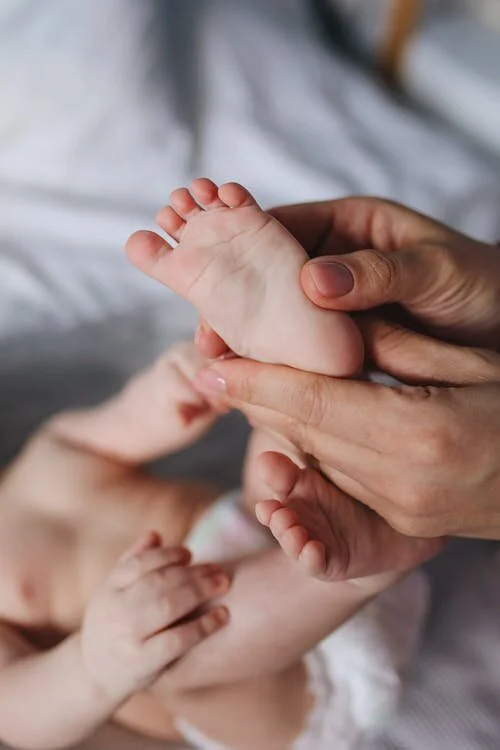
Got flat feet? I have news for you, you weren’t born with them. This is something that develops over time? Why? The short answer is: shoes. Shoes do the work for your feet, like a brace or cervical collar. The muscles that line the arch get to relax and overtime, get weak to the point where you can’t stand while maintaining an arch.

Got flat feet? I have news for you, you weren’t born with them. This is something that develops over time? Why? The short answer is: shoes. Shoes do the work for your feet, like a brace or cervical collar. The muscles that line the arch get to relax and overtime, get weak to the point where you can’t stand while maintaining an arch.
In 1992 (Rao & Joseph), a survey looked at 2300 children between the ages of 4 and 13 and found that flat feet was most common in the group that wore shoes. Furthermore, the group that wore slippers or sandals were less likely to have flat feet, and even more so, a group that didn’t wear shoes.
So why are we told shoes are so important? The shoe companies have done a great job of convincing people that they are vital. Of course they did and I don’t blame them, that’s what companies do. However, it has trickled its way into practitioners' advice.
Shoes have their place, to protect your skin from cigarette butts and glass. However, we need to spend time barefoot. If we don’t do that, then we have to spend time working on the muscles of our feet to at least get them to baseline strength.
There are layers of muscles that line the arch of the foot, and one of their major jobs is to maintain the arch. The arch is meant to be non-load bearing, that’s why it’s called an arch. If you have cold tile floors, great. Use that. Walk around barefoot not letting your arch touch the ground and let the cold tile be a cue. Standing in line somewhere? Great, use that. Take the time to work on standing with a neutral foot. How do you do that? Drag your toes slightly in towards your heel until the arch rises. Don’t force it, you don’t want to be just standing on the sides of your feet.
It may not seem like a big deal, but a flat foot can lead to consequences up the kinetic chain. The majority of knee pain is caused by a foot and ankle problem. If your foot pronates (as a flat foot does), the shin will rotate inward, and set up the knee in a less than advantageous position, and can expose the meniscus in a position such as a squat. A flat foot can also affect the hip and back.
It will take time and consistency, but you can restore your arch typically in about 3 months. You could buy an orthotic, but then you are stuck wearing that orthotic all the time. Plus they usually cost between $300-$600. Why buy something that you have to rely on when you have the ability to strengthen your foot? You literally have a muscular orthotic just laying there, dormant.
Here is a simple way to start working on the arch:
Want to learn more? I have built a 3 month program that is designed specifically to fix your arch. Check it out at www.restoreyourarch.com.
Reference:
Rao UB, Joseph B. The influence of footwear on the prevalence of flat foot. A survey of 2300 children. J Bone Joint Surg Br. 1992 Jul;74(4):525-7. doi: 10.1302/0301-620X.74B4.1624509. PMID: 1624509.

Overhydration
We are all familiar with how important it is to hydrate, and you’ve probably been told by a medical provider that you have to hydrate more. However, there is such a thing as too much. As with everything in the body, it’s all about balance.

We are all familiar with how important it is to hydrate, and you’ve probably been told by a medical provider that you have to hydrate more. However, there is such a thing as too much. As with everything in the body, it’s all about balance.
The balance, in this case, is all about electrolytes and water. The body is a bioelectric machine and requires the right balance of fluids to conduct signals like nerve impulses that create muscle contraction. When you eat and drink, the body takes what it needs to keep this balance, and then excretes the rest out. You can easily see this after a salty meal when you urinate. That’s the body dumping out the excess salt. Conversely, if you haven’t had enough salt, the body will excrete more water and your urine will be clearer.
Dehydration has its risks and you won’t live long without water. However, overhydration can be just as deadly. When you gulp down tons of water prior to a sporting event thinking that it’s a good thing, you can develop hyponatremia. That means that you’ve diluted the fluids and now you don’t have enough salt. Under normal circumstances, the body would just eliminate some water and restore balance. However, if you are a distance runner, you likely are not going to stop to pee. Then if you continue to hydrate, you could get yourself into some trouble.
Water in the body resides both inside a cell (intracellular), and outside the cell (extracellular). The extracellular fluid is primarily in blood plasma, with a small amount residing in the lymph. About ⅔ of the water is in the intracellular fluid and ⅓ in the extracellular fluid. When you are overhydrated, in an attempt to restore electrolyte balance, water will move from the bloodstream into the cells. This will lead to puffy fingers and toes, and even worse, it can cause hydrocephalus. This means swelling in the brain, and it can be deadly.
There have been many instances of runners collapsing and dying from overhydration, and many more hospitalizations. So how do we know how much water to drink? This is a complicated question and depends on many factors, such as the type of sport, conditioning levels, male vs. female, body weight, sweat rate, environmental heat, etc. There are some symptoms that will clue you into the early signs of hyponatremia. If your wedding ring is feeling tighter, that’s a sign you have too much fluid retention. Other signs include confusion, cramps, vomiting, and headache. If it goes on for too long, one could go into a coma, have seizures, and even die.
Part of the issue is that we’ve been told how important it is to hydrate, however this may be an overcorrection and there is a history behind it. In the 1900’s, athletes were told not to drink during a sporting event. Then in the 1960’s, gatorade was invented by a physician at the University of Florida that improved performance for their football team. A whole industry was born around rehydration. As humans do, we overcorrected to the point where many athletes are now overhydrating (thanks to Precision Hydration for the history summary). There are lots of recommendations out there for strategies to optimally hydrate, but bearing in mind all the individual differences we have and all the factors that go into fluid balance, there is no one size fits all answer. Precision Hydration is an organization that has a free online test you can take to give you an idea of what you may need and will even give you a hydration plan. Check it out here.

Pain Does Not Equal Damage
Pain plagues us all, but when should we be worried about it and when can we work through it? To answer that, we have to have a better understanding of what pain is.

Pain plagues us all, but when should we be worried about it and when can we work through it? To answer that, we have to have a better understanding of what pain is.
Pain is an alarm bell. It draws attention to a part of the body in anticipation of damage. That is the key, anticipation. You can hold your finger to a flame and feel pain before the skin actually burns. Past experiences inform the nervous system how to respond to stimuli. The nervous system is like a software program that constantly learns from new inputs. If you burnt yourself over a candle flame as a kid, you will be more responsive to this stimulus compared to someone who hasn’t.
However, damage and pain are independent of each other. You can step on your son’s lego with bare feet and a string of expletives will come flying out of your mouth, yet you can be bitten by a black widow spider while sleeping and not even wake from pain despite that it can cause serious tissue death.
This is not to say that tissue damage can’t be accompanied by pain, however all too often it is inaccurate. Once as a teenager, I fell on some wet leaves while playing street hockey. It wasn’t until I stood up and looked at the faces of my friends that I realized I had fallen on a broken glass bottle and the fat pad in my knee was hanging out. The fat pad is known to be a highly sensitive structure, yet I felt nothing. Until I looked at it.
Imaging is another good example. In a study of 1211 subjects ranging from ages 20-70, 87% displayed disc bulges on MRI yet had no pain (Nakashima et al., 2015). If you ever get a sense of hesitance from your physical therapist when you ask, should I get an MRI, it’s because of examples like this. We worry that we’ll find “pathology” that is benign, but can easily, and wrongly, be attributed to the pain you are experiencing. This can wrongly inform decision making as to the best course of action. There is an expression, “if you want to have surgery, get an MRI”.
The problem with the “pain equals damage” paradigm is that it can send you into a nasty feedback loop. It goes something like this: I have pain, so I should not move (and you’ve probably been told the dogmatic advice to rest it). The pain doesn’t go away, and you get weaker and stiffer, then the pain worsens. The cycle continues and now you are developing chronic pain.
There are situations where you have to immobilize something, like a fractured femur. We aren’t talking about these types of cases. We are talking about the back pain you get from an intense workout, the pain in your knee from running, elbow pain from tennis, etc. You want to stop the provocative movement, but you still want to move in a pain free manner. In the same way that the nervous system turns on alarms and sensitizes a tissue, it can also desensitize the tissue with pain free movement.
The process we use is called D2R2 and it looks like this:
D1: Desensitize
D2: Decongest
R1: Reperfuse
R2: Restore
These steps overlap, but the gist of it is to desensitize the area and maybe use some techniques like massage or foam rollers. This allows for pain free movement. Now use these muscles to “get the garbage out and groceries in”. I.e. get blood flow to the area. Then the last, and most important step is to restore. Restore what is missing. If you have pain, chances are something is missing in the neighboring joint. That is the true culprit. This is the problem with chasing the symptoms, they’ll just return unless you get to the root cause. When I see a golfer with elbow pain, the first thing I do is check their shoulder and wrist range of motion. Once we’ve reduced the symptoms, we restore the missing range of motion, and then the pain doesn’t return.
Want a full systems approach to assess how you move? Check out our functional movement assessment.
References:
Nakashima, H., Yukawa, Y., Suda, K., Yamagata, M., Ueta, T., & Kato, F. (2015). Abnormal Findings on Magnetic Resonance Images of the Cervical Spines in 1211 Asymptomatic Subjects. Spine, 40(6), 392–398. https://doi.org/10.1097/brs.0000000000000775

Stop With the Egg Whites Already
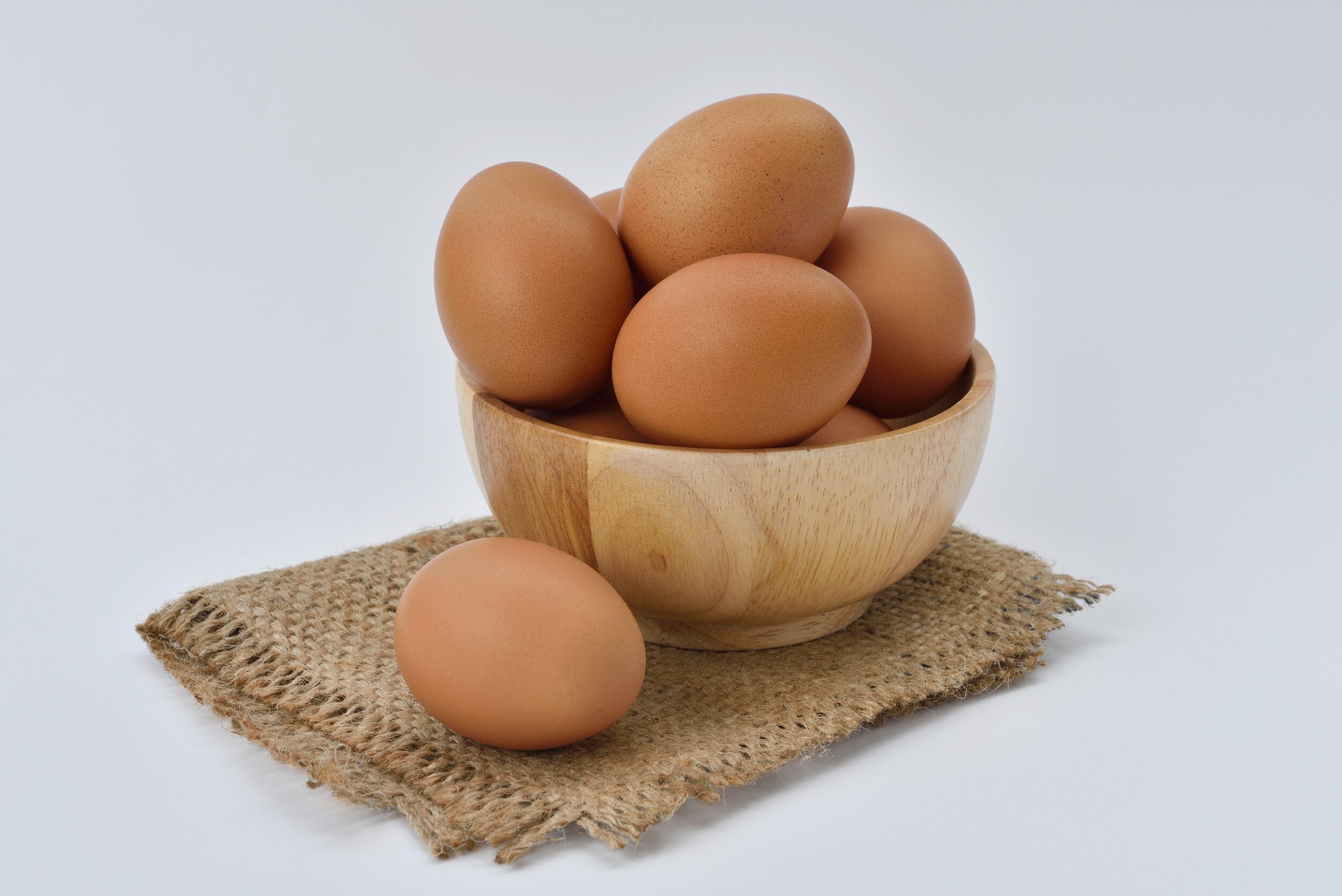
Ok, I’m guilty of this too. I was doing the egg white omelettes with wheat toast and no butter back in the day. I thought I was doing it right. It’s sad to think of all those yolks I wasted.
Ok, I’m guilty of this too. I was doing the egg white omelettes with wheat toast and no butter back in the day. I thought I was doing it right. It’s sad to think of all those yolks I wasted.
The egg white, is about 90% water, and 10% protein. That’s it, there’s not much to the egg white. Egg yolks are so nutrient dense and they contain the macros and micros that you want. It’s about 60% fats, 35% protein, and the rest is carbs. Fats are good, particularly the saturated fats. Our nervous system is made primarily of fats and they are essential to survival.
Additionally, egg yolks are a powerhouse of essential amino acids, vitamins, and minerals. For starters, they are a great source of: vitamins A, D, E, K, B1, B2, B5, folate, choline, and minerals calcium, iron, magnesium, phosphorus, potassium, selenium, and zinc. They raise HDL levels and lower triglycerides (which is what you want).
So why have they been demonized? Cholesterol. Eggs are high in cholesterol. Let me start by saying cholesterol is good. Why would our bodies produce something that is bad for you. And oh yeah, all animals produce cholesterol. Is this an accident? I think not. In fact there is a condition called Smith-Lemli-Opitz syndrome that is a genetic mutation causing low levels of cholesterol and is deadly if not addressed. One way these patients do better is a prescription of egg yolks. So why are we told cholesterol is bad?
It’s a long story, but the short of it is that cholesterol is transmitted by a molecule called LDL (what is typically called the ‘bad cholesterol’). It is more like a bus ushering the cholesterol into other cells. There is a ‘key card’ on the LDL’s surface; a protein called apo B. When the LDL arrives at a cell, the cell recognizes the key card, and lets the cholesterol in. Sometimes, the key card gets damaged, and the cells no longer allow the cholesterol in. This is part of what leads to plaques in arteries. So what leads to this damage? A diet high in sugar and industrial seed oils, aka the standard American diet. For more on this, check out this article.
So as long as you avoid packaged goods and don’t have a cookie problem, egg yolks are one of the best foods you can have.

Why People with Hypoglycemia Should Eat a Low Carb Diet
As a child, I was diagnosed with hypoglycemia. I had the typical symptoms; I was tired, shaky, irritable, and would have brain fog. My parents were told to keep me away from sweets and for years, I didn’t have candy. I remember even having pancakes with syrup would cause severe nausea and I’d have to lay down. I never really understood that if I had low blood sugar (hypoglycemia), why would putting sugar in the system bother me? It would seem that would be the way to fix it.

Whatever it is, the way you tell your story online can make all the difference.
As a child, I was diagnosed with hypoglycemia. I had the typical symptoms; I was tired, shaky, irritable, and would have brain fog. My parents were told to keep me away from sweets and for years, I didn’t have candy. I remember even having pancakes with syrup would cause severe nausea and I’d have to lay down. I never really understood that if I had low blood sugar (hypoglycemia), why would putting sugar in the system bother me? It would seem that would be the way to fix it.
As usual, the answer to this is much more nuanced as it is the human body. It’s not just a simple input/output machine. Part of the answer is due to homeostasis, and the other part has to do with the endocrine system.
I’ll give an analogy for the way homeostasis works. Imagine driving on a highway on a cold night, and you hit a patch of black ice. You start to fishtail out of control and then overcorrect the steering wheel to now fishtail in the opposite direction, but to a lesser extent. You tug the wheel back and forth until you finally straighten back out. This is how our bodies react to rapid swings in blood chemistry.
When you eat a meal high in carbs, the endocrine system reacts by overcorrecting, for individuals that are carb sensitive. Insulin is secreted by the pancreas and wipes out the sugar by ushering it into muscle cells and the liver. Now the body is in a hypoglycemic state.
The traditional medical answer is usually to add more sugar back into the system, but that is addressing the symptom rather than the root cause. Why not just stop eating high carb meals? The carbs are causing the spike in insulin and subsequent drop in blood sugar. Carbs are non-essential to the human diet. We are able to produce glucose in our bodies via the liver in a process called gluconeogenesis.
One of the issues that arises in type 2 diabetics is insulin resistance. All cells have receptors for insulin, and when someone has a diet of high carbs over long periods of time, the receptors for insulin become resistant, and the cells don’t allow glucose in. Insulin has many functions, one of which is to suppress gluconeogenesis. So when the liver becomes insulin resistant, gluconeogenesis is not suppressed (Hatting et al., 2017). So now the liver is producing glucose, and more glucose is flooding the body through the diet. Now we are in a hyperglycemic state, and this is where much of the damage of sugars occur, furthering the disease process of diabetes.
Glucagon is another player in this situation. It has the opposite effect of insulin; it draws sugars out of cells back into the bloodstream. Why not increase glucagon in the diet when we are in a hypoglycemic state? Turns out that eating a moderate amount of protein can stimulate glucagon secretion (Schmid et al., 1989).
In short, a diet low in carbs and high in proteins and fats will keep blood sugars at normoglycemic levels, and can prevent the development of metabolic dysfunction.
References:
Hatting, M., Tavares, C. D., Sharabi, K., Rines, A. K., & Puigserver, P. (2017). Insulin regulation of gluconeogenesis. Annals of the New York Academy of Sciences, 1411(1), 21-35. doi:10.1111/nyas.13435
Schmid, R., Schusdziarra, V., Schulte-Frohlinde, E., Maier, V., & Classen, M. (1989). Role of amino acids in stimulation of POSTPRANDIAL INSULIN, Glucagon, and Pancreatic POLYPEPTIDE in humans. Pancreas, 4(3), 305-314. doi:10.1097/00006676-198906000-00006

Why “Calories in, Calories out” is Broken
We’ve been told for decades to eat less and move more. This is the caloric deficit paradigm, and I’d argue it’s not the best way to lose weight. Although it does work, it requires the tedious task of counting calories and leads to a lot of hunger. If our bodies were as basic as an automobile, it would make some sense. But we are much more complicated than a car. The good news is there is a better way that doesn’t require calorie counting.

We’ve been told for decades to eat less and move more. This is the caloric deficit paradigm, and I’d argue it’s not the best way to lose weight. Although it does work, it requires the tedious task of counting calories and leads to a lot of hunger. If our bodies were as basic as an automobile, it would make some sense. But we are much more complicated than a car. The good news is there is a better way that doesn’t require calorie counting.
Here’s the problem: we’ve been told to eat a diet rich in complex carbohydrates 6 times a day. Then we have to work out to a point where we’ve burned more than we’ve consumed. Well if you’ve had starches and carbs 6 times a day, you are constantly spiking your insulin levels. Insulin removes glucose (carbs) from your bloodstream. So every time you eat a carb rich diet, your pancreas floods the body with insulin. And I’m talking not only about rice and pasta, but also fruits and vegetables. This potent hormone has many roles, and one of them is to build. It can build muscle tissue, fatty acids in the liver, and it builds adipocytes, or fat cells. So when insulin is secreted, the body's ability to burn fat is suppressed.
Calories in, calories out can work, but the real reason it is broken is that it places to blame on the individual. It requires a lot of exercise, and being in a near constant state of hunger. Hunger is one of our prime drivers, and unless you have extreme will power, hunger will win. So the person that has difficulty losing weight with this paradigm feels guilty that they can’t control their very normal instinct for hunger.
Luckily, our body can utilize two fuel sources; carbs and fats. If we stop spiking our insulin levels, it allows for fats to be burned. You can do this with an animal-based diet, or by intermittently fasting. Fasting triggers ketosis which is the process of burning fats. Additionally, it encourages our body to be metabolically flexible as I explain in this article. If you try one of these methods, you will lose weight. If you plateau and still want to lose more weight, then you can look at your calories to see if there is a surplus. The best part of this strategy is that you rarely go hungry as our fat storages are far greater than our carb storages.
I want to be clear that I do not think that carbs are the devil, but there are many benefits to allowing your body to occasionally burn fats rather than carbs. Additionally, insulin resistance is at epidemic levels, and part of the reason for this is that we continue to pump carbs into our bodies.
The Key to Improving Your Metabolism
Metabolic dysfunction is rampant in the United States. The majority of Americans have an underlying metabolic dysfunction. Obesity is usually blamed for many of the problems that Americans face such as stroke and heart attack, but obesity is just one of many symptoms of a greater problem. That problem is metabolic dysfunction.

Metabolic dysfunction is rampant in the United States. The majority of Americans have an underlying metabolic dysfunction. Obesity is usually blamed for many of the problems that Americans face such as stroke and heart attack, but obesity is just one of many symptoms of a greater problem. That problem is metabolic dysfunction.
To understand metabolic dysfunction and how to correct it, we first have to understand exactly what metabolism is. Metabolism is the way the body converts food into energy. There are 3 macronutrients that we consume; proteins, fats, and carbs. The body converts mostly fats and carbs for energy. Protein is generally used to build parts of the body and is not relevant for the rest of this blog post. The process of converting carbs into energy is called glycolysis, and the process of converting fats into energy is called ketosis. The ability of the body to readily take energy from both sources is called “metabolic flexibility”.
When we consume a diet that is primarily carbs, as we’ve been told to do for so many decades, our bodies learn to rely on glucose for energy. Then it becomes difficult to burn fats for energy. This is termed “metabolic inflexibility”. This becomes problematic for a number of reasons. First off, the body is only able to carry a small tank of carbs on the body. It gets stored in the liver and in muscle, and can circulate in the bloodstream. Roughly 2000 calories can be stored in this way. Once we use that up, we will get hungry, or rather hangry as we are low on energy. Especially if your body has not adapted to going into ketosis, or fat burning. We carry much more fat on the body, even if you are slim, than we do carbs.
When you eat a carb heavy meal, your pancreas secretes insulin. Insulin ushers the circulating glucose from the bloodstream into the liver and muscle tissue. If you have lived a life of constant carb consumption, and are spiking your insulin levels continually, you run the risk of becoming insulin resistant. This leads to type 2 diabetes.
Insulin is a potent hormone that has many functions. One of its functions is to dictate which fuel source is being consumed for energy. When insulin is secreted, carbs are being used. When insulin is lower, fats can be utilized. So the key to burning fats is to keep insulin levels low.
How do we do that? Prevent insulin spikes by eating a low or zero carb diet. Even if it's an intermittent strategy, most people will benefit because the majority of Americans are never in ketosis. In fact, the main reason people seem to do well with intermittent fasting is that they are giving their bodies a chance to use up their glucose, and trigger ketosis. If you have difficulty because you are getting hangry, you can just try avoiding foods that are high on glycemic load to start, and then eventually progress to a zero carb diet. The key is to avoid insulin spikes, to allow for fat burning with the end goal of metabolic flexibility.
Want a free consult call? Click the button below: