
Questions? Or do you want me to blog on a specific topic? Email me at: drchris@dpt.services
Want to get the latest blog posts? Sign up for the Thursday Three Newsletter below.

Iron Overload
Iron deficiency is extremely common and can be one of the causes of anemia. However, too much iron can be a problem as well and is known as iron overload. Iron overload is associated with metabolic disorders, gout, cardiovascular disease, hormone problems, immune imbalances, and musculoskeletal disorders.

Iron deficiency is extremely common and can be one of the causes of anemia. However, too much iron can be a problem as well and is known as iron overload. Iron overload is associated with metabolic disorders, gout, cardiovascular disease, hormone problems, immune imbalances, and musculoskeletal disorders.
Iron is an essential micronutrient and serves many functions in the body and helps deliver oxygen to tissues through hemoglobin (blood) or myoglobin (muscle). Iron is not absorbed by the body, it first has to be oxidized to form ferric oxide, then it hits the stomach acid and becomes ferrous iron where it then gets absorbed in the GI tract. Most iron is found in the hemoglobin (70%) and about 15% is in myoglobin. A small amount circulates in the serum, and the rest is stored.
Ferritin is a storage molecule and when supplies are ample, iron gets stored in ferritin. This is important to know because if you are doing a blood panel, ferritin is a marker that is a strong indicator of your iron levels. Serum iron is the least sensitive marker for iron levels. This is because many things can offset the serum iron levels, such as alcohol, drugs, oral contraceptives, aspirin, metformin, stress and sleep deprivation.
Ferritin is the first marker to go out of range, but there is something else to know about ferritin. Bacteria and viruses can proliferate when they have access to iron, so the body wisely locks up iron in ferritin to protect the body. So if you are ill, ferritin levels will rise. In this way, ferritin is a marker for inflammation.
So what happens when iron levels are too high? Symptoms can include extreme fatigue, joint pain, palpitations, abdominal pain, depression, impotence, and skin bronzing. Some causes of iron overload include hereditary hemochromatosis (mutation of gene C282Y or H63R), sickle-cell anemia, alcohol abuse, viral hepatitis, iron supplementation, or a diet high in iron. Substances that increase iron absorption include:
Foods high in vitamin C
Foods high in beta carotene
HCL supplements
Meat (particularly red)
Sugar
Alcohol
So if you are experiencing any of these symptoms, it’s best to get a blood panel and find out your iron status. Remember, serum iron is the least sensitive marker so a full iron panel that includes ferritin would be more precise.
If you’ve done a 23 and me genetic test, you can find out if you are susceptible to hemochromatosis. To find out, fill out the form below for a free download:

Three Ways to Fix Your Stiff Knee
Stiffness in joints is usually a combination of stiff surrounding muscles and tendons, a stiff capsule, and swelling. There are two types of swelling, inside the joint and outside the joint. The swelling I’m talking about is inside the joint, and is technically called effusion.

Stiffness in joints is usually a combination of stiff surrounding muscles and tendons, a stiff capsule, and swelling. There are two types of swelling, inside the joint and outside the joint. The swelling I’m talking about is inside the joint, and is technically called effusion.
Like swelling, effusion is handled by the lymphatic system. This system surrounds our bodies like our blood vessels do and have a role in evacuating a buildup of fluids. However, unlike blood vessels, it doesn’t have a pump (the heart). It’s a passive system and relies on movement to get fluids circulating.
Luckily, the issues that cause stiffness work together. The take home message is: movement.
Don’t rest it. That usually makes it worse.
Here’s what to do:
1. Walk
Turns out your high school baseball coach was right; walk it off. As long as you can walk without high levels of pain, it’s worth it. Every step you take, the muscles of the legs pump fluid around. You will likely increase your breathing rate too, which is also involved in the lymphatic system.
2. Bike
Probably my favorite thing to do for a stiff knee is biking. This is particularly useful if walking is not an option. The reason this is great is the repetitive bending and straightening of the knee is like a pump and squeezes the effusion out of the knee. If you’re really stiff and can’t get all the way around on the bike, you can start off by just going back and forth with the good leg doing most of the work. You should notice that after a few minutes, you’ll get more range in the cycle and maybe even get all the way around. As you improve, lower the seat so that it requires deeper knee bending.
3. Increase Range of Motion
There are lots of ways to do this. Below is my favorite way.
This works well because often, the muscles surrounding the joint can stiffen as a defense to a painful condition. We call this guarding and it’s probably an evolutionary relic. If you’re injured, you will slow the pack down when hunting, so it’s best to stay in the cave that day. That’s one of the theories behind muscle guarding.
There you go, three easy ways to improve your knee stiffness. Just remember, movement is medicine. Rest rarely does anything.

Hip Pain While Driving
Do you have pain in the buttock/hip area while going for a long car ride? Or maybe it’s just sitting through a meal. While there may be a few causes of this, often we find there is irritation of the external rotators of the hip. If you look around the corner, you’ll probably find the real reason why.

Do you have pain in the buttock/hip area while going for a long car ride? Or maybe it’s just sitting through a meal. While there may be a few causes of this, often we find there is irritation of the external rotators of the hip. If you look around the corner, you’ll probably find the real reason why.
Perhaps you’ve tried stretching the piriformis or rolling on a ball. It probably gave you some minor temporary relief, but then it just came back. Sound familiar? As with almost all things musculoskeletal, the symptom and the cause are two different things. In this case, we’ll look at how stiffness in the front of the hip turns into pain in the back of the hip.
If you have to sit for work, chances are you are developing stiffness in the hip flexor and thigh. Whatever a muscle does, it limits the opposite motion. For example, hip flexors flex the hip, but limit hip extension.The body is a creative problem solver and will find work-arounds. If you are unable to adequately extend your hip, it will rotate it instead.
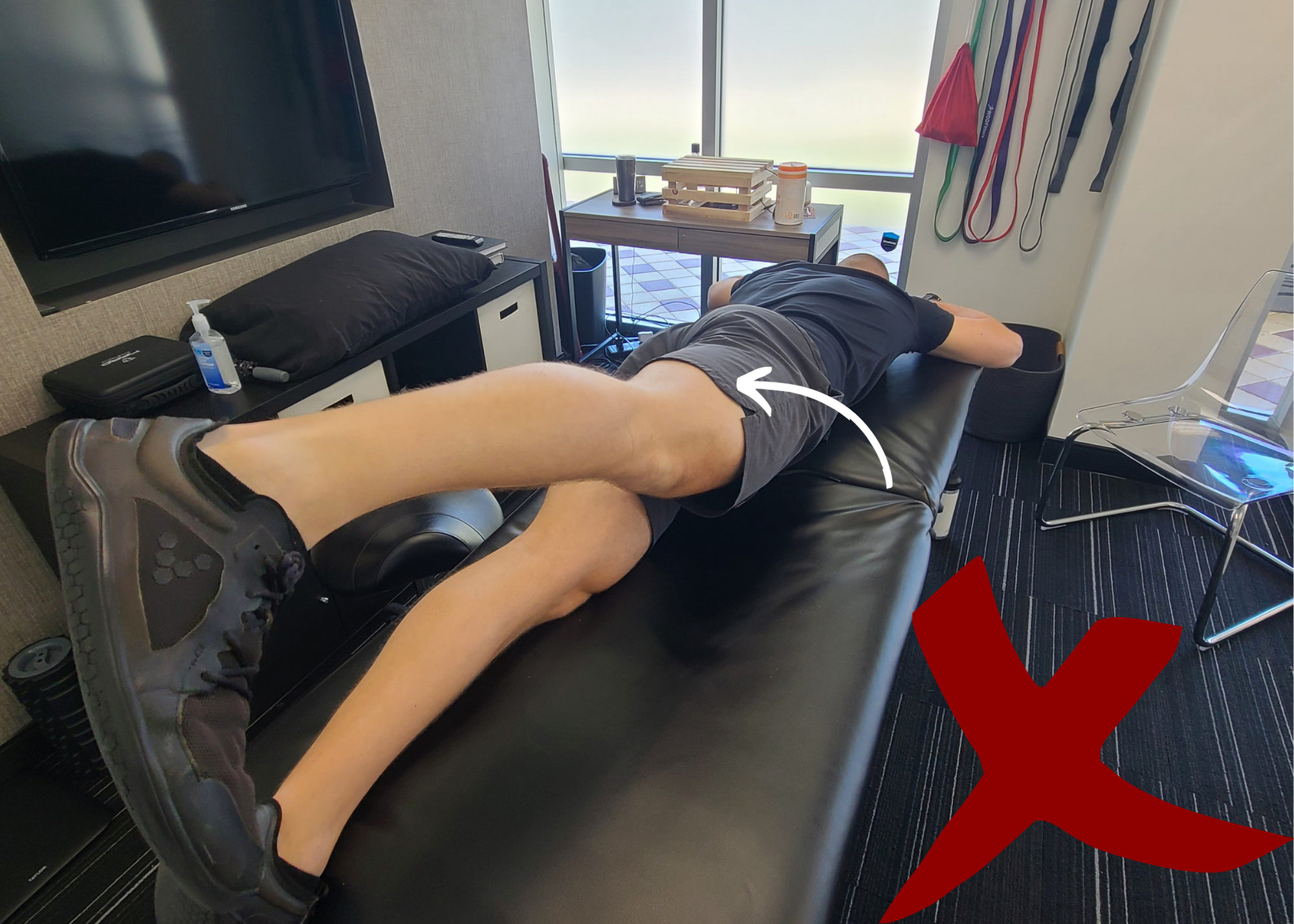
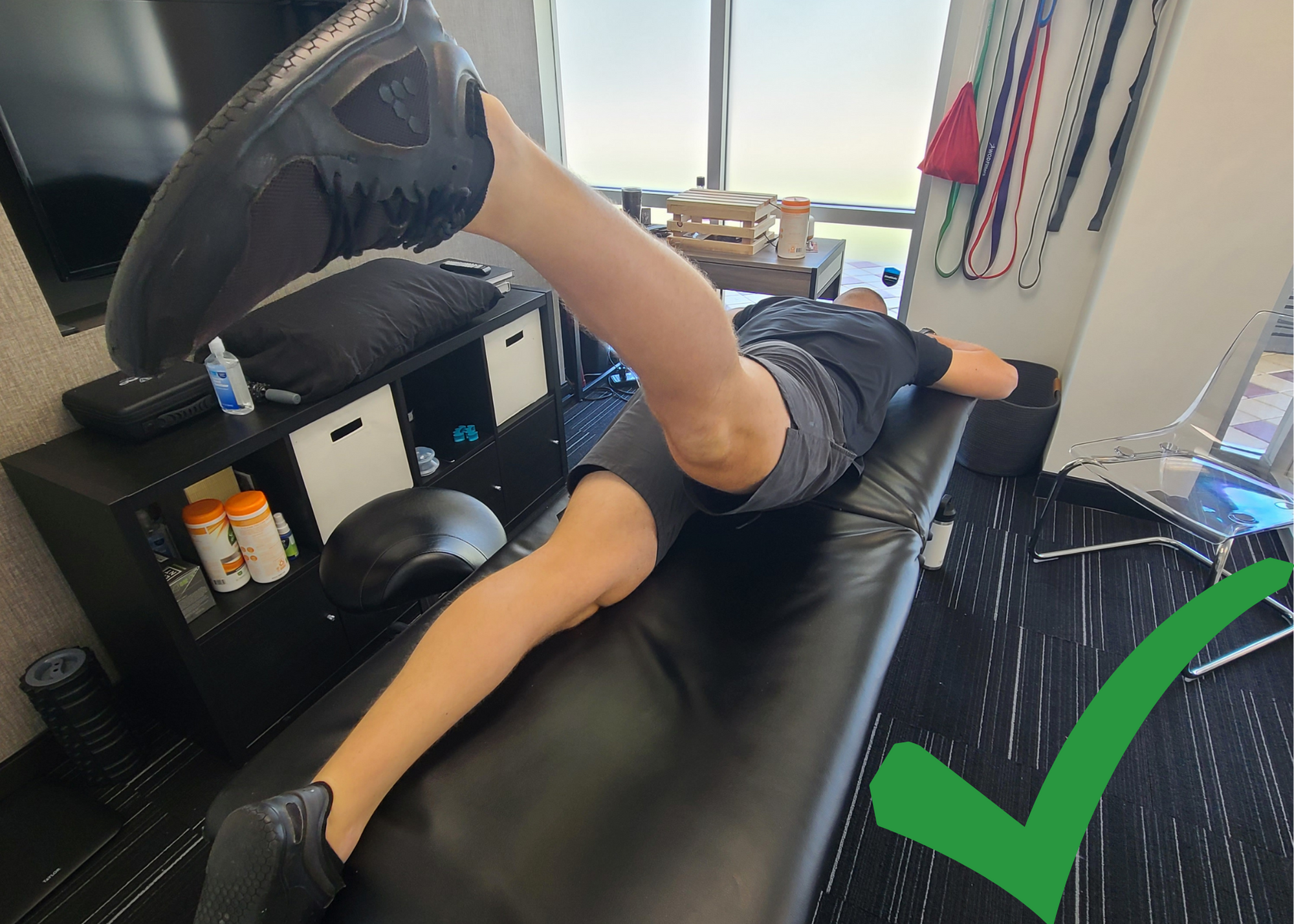
Hip extension is what you need to walk normally. And if you run, you need even more. So if you notice your feet turn out excessively when you walk, this may be a sign that you are stiff in your hip flexors as it is a compensation. By the way, this can also be an ankle issue, so have it properly examined.
Here is a quick and easy test. Lay on your stomach, and see if you can lift your leg up, while keeping your stomach and pelvis touching the ground. If you find your pelvis peeling away from the ground, you're probably stiff in the front of the hip.
Problems usually arise when you expose an area where there is a dysfunction. I had one client who was feeling fine, but was extremely stiff in the hip flexors. He hadn’t been exercising much, and then decided to start running. Well the limitation in hip extension was exposed, and he was rotating his hip away from the stiffness with every stride. He irritated his hip to the point where it became painful to sit in his car. Rolling on a ball gave some relief, but it wasn’t until we improved his hip extension that the pain went away for good.
This is one of the mobilizations we used:

Pain With Bench Press, Part 2
A common complaint we get is pain with any pressing motions, especially with a bench press. I’ve covered this topic in the past, as outlined in this blog here. The short of that one is that missing shoulder extension can lead to an overly anterior position of the shoulder and can provoke pain. This blog will cover a different mechanism; internal versus external rotation.
A common complaint we get is pain with any pressing motions, especially with a bench press. I’ve covered this topic in the past, as outlined in this blog here. The short of that one is that missing shoulder extension can lead to an overly anterior position of the shoulder and can provoke pain. This blog will cover a different mechanism; internal versus external rotation.
Internal rotation is a fall back position of both the shoulder and the hip, meaning if you overload a movement, the shoulder or hip will naturally fall into that motion in an attempt to find tension. This is, in a sense, a false sense of stability. Or more accurately, passive stability. You have a capsule around all of your joints that has a role in stability. When you move into internal rotation, the capsule becomes ‘close packed’, meaning it is wound up. So instead of using muscle to actively control a position as with external rotation, one can find stability by utilizing the passively wound up tissues of the capsule.
You’ll see this when someone is doing a heavy squat. You’ll see a knee wobble in and out. That’s the femur moving between internal and external rotation. The same thing will happen in a push up or bench press and shows up as an elbow flare. This in itself is not a bad thing, but we know that it can cause irritation for some.
It’s kind of like a weight lifting belt. Theoretically, your core muscles should be able to keep your spine in a stable position when doing a squat. Squat heavy enough, and you’ll lose a good position of your spine. The weight belt becomes extra support for the spine for heavier lifts. That’s what winding a joint into internal rotation does.
Now, most people these days live in internal rotation of the shoulder. If, at rest, your hands turn inward into a ‘knuckle-dragger’ position, that is internal rotation of the shoulder. Part of that may be due to working at a desk, or programming that overemphasizes push versus pull motions. Regardless, we know that the body will always take the path of least resistance. So if you are naturally in an internal rotation, and you do a pressing motion that is handling more weight then you are used to, it’s going to take a lot of conscious effort to avoid excessive internal rotation. That’s where a proper warm-up may set you up for better performance and less pain.
I’d recommend the following:
A mobilization of the internal rotators (pec, lat, and subscapularis):
Activation of the external rotators (rotator cuff):
Mobilization of the thoracic spine:
Give those a shot before a bench press and see how that feels.

The Problem With “Just Resting It”
It’s all too common to hear something like “I overdid it, I need to rest it” for musculoskeletal injuries. It is widespread advice in the medical community, and I have a problem with it. It doesn’t work; well if you want to maintain a functional life.

Counting down the days since your injury?
It’s all too common to hear something like “I overdid it, I need to rest it” for musculoskeletal injuries. It is widespread advice in the medical community, and I have a problem with it. It doesn’t work; well if you want to maintain a functional life.
Where does this advice come from? The R.I.C.E. protocol, which stands for Rest, Ice, Compression, Elevation, came a best-selling Sportsmedicine Book in 1978, by Dr. Gabe Mirkin. He has since stated that this protocol inhibits healing as opposed to helping it as detailed in this article written by Dr. Mirkin himself. Gary Reinl came along and killed the already dying protocol with his argument against ice. If you want to hear an in depth podcast I did with Gary, check it out here.
I suspect that the “rest” component comes from way further back as it is not only dogmatic, but seems to be instinctual. I suspect that back when we lived in caves, pain and swelling was a protective mechanism to keep the person alive. In other words, don’t go out and hunt today as you will slow down the pack. Or be eaten.
Most of us don’t have to worry about that and have the luxury of being able to prioritize optimal healing. We can do certain things to ensure that we are not left with permanent strength and range of motion loss. More importantly, the loss of overall function.
This is where I take a stand against the advice to just “rest”. I do think it’s a good idea to avoid excessively painful movements. But that does not mean to stop all activity within the affected area. However, the real problem is that the pattern goes something like this: Person A gets hurt playing sport B. Sees practitioner C, and told to stop doing sport B, just rest it. If the goal is to just get rid of pain, that can work. However, don’t expect that you’ll be able to get back to sport B without recurrent injury. So if the focus is on only eliminating pain, then over the course of a lifetime, sports and enjoyable activities will slowly be stripped away from that person’s life. “Oh, I don’t squat anymore because I have a bad knee”. Or, “I can’t pick up my grandkids because of my bad back”.
The goal should be focused on restoring what is missing. Restore the mobility issue or the strength issue, or probably both. You see, pain is a lagging indicator. So if you are missing adequate range of motion of the spine and you then decide to pick up a sport like tennis, the lacking range of motion becomes exposed, and then pain follows. It works in both directions, so if you restore what’s missing, then pain begins to dissipate.
Put quite simply:
Pain is the symptom of a greater underlying problem.
If you don’t address the underlying problem, it will continue to resurface. So you have two options. 1.) Sit on the couch and do nothing. Pain will probably go away. 2.) Fix the root cause and not only will the pain go away, but then you will be able to continue to thrive and enjoy the things you love.
This reminds me of one of my favorite quotes:
“A ship in harbor is safe, but that is not what ships are built for.”
If you’ve been told to rest, and you are still not able to get back to what you love, let’s get on a call and problem solve what you can do to stay active.

Shoulder Stability
The shoulder is inherently the most unstable joint in the body, well at least for the major joints. This is because you sacrifice stability for mobility. In other words, we have to do a lot of things with our shoulders like reach overhead and behind the back, feed ourselves, dress, groom, etc. If something is very stable, it doesn’t move much. The anatomy of the shoulder is such that it lends to much greater mobility, and much less stability.

The shoulder is inherently the most unstable joint in the body, well at least for the major joints. This is because you sacrifice stability for mobility. In other words, we have to do a lot of things with our shoulders like reach overhead and behind the back, feed ourselves, dress, groom, etc. If something is very stable, it doesn’t move much. The anatomy of the shoulder is such that it lends to much greater mobility, and much less stability.
Just look at the ball and socket of the hip, which is a much more stable joint:

Compare it to this picture of the shoulder. Notice how small the socket is compared to the hip:

I once heard an instructor of mine compare the shoulder to a car. The scapular muscles are like the body of the car. The rotator cuff is like a steering wheel. And the deltoid is like the gas pedal. I think this is an accurate description. Now, if you have a powerful deltoid, but the rotator cuff and scapular muscles are able to keep up…well you have a less than ideal situation. Like a ferrari with a loose axle and no power steering.
This is typically where most people run into shoulder injury. They focus on what one might call the ‘vanity muscles’. The deeper layer of muscles that control the position of the shoulder may be under trained compared to the powerful deltoid. That may be all well and good under light loads. But as soon as you challenge yourself and try to press something heavy, the deltoid may be able to handle it, but if the strength of the rotator cuff and scapular muscles isn’t quite there, you can lose position. This is where problems arise.
It reminds me of a weight lifting belt. The point of the belt is to keep the spine stable on a heavy lift such as a deadlift. You may be able to deadlift a PVC pipe with perfect spinal stability, but under heavy load, you will begin to lose position. Unless, of course, you’ve trained the spinal stabilizers to handle that load. Most people have not, and this is where the weight belt comes in handy.
Back to the shoulder. If shoulder stability is a problem for you, strengthening the scapular muscles and rotator cuff are paramount in creating a stable environment for movements such as an overhead lift.
I would generally start off with basic scapular exercises and rotator cuff exercises such as external rotation. As the athlete progresses, I like to add in exercises that challenge stability from multiple angles such as this:

Exercises for Pickleballers
As Pickleball has grown in popularity, one question that we get a lot is “what stretches should I do before I play”? The first thing we tell our athletes is “think active, not passive”.

Thanks for the image Karl!
As Pickleball has grown in popularity, one question that we get a lot is “what stretches should I do before I play”? The first thing we tell our athletes is “think active, not passive”.
Let me explain.
Passive stretching is what we all know and probably grew up doing. It has become dogmatic that stretching prevents injury. The current research does not reflect that. Passive stretching is your classic hamstring stretch, or a quad stretch or calf stretch. Like grabbing your foot and pulling your heel to your butt. The target muscle is relaxed in other words. All this does is temporarily diminish the stretch reflex. Well that reflex is there for a reason and inhibiting it may not be the best idea. Well, let’s just say it’s probably not ideal.
Active stretching is basically what we mean when we say “mobility”. It’s improving range of motion through use of the muscle. To be clear, we’re not saying passive stretching is bad, it’s just not the best use of your time prior to sport.
Think of it this way: you want to warm the muscle up. What’s the best way to do that? Blood. Flood the area with blood and now you have a warm muscle. Blood tends to pool towards the gut and brain when you are sedentary. Especially if you just had a meal (gut), or you are studying or reading (brain). If your limbs get cold after a meal, this is why.
Using your muscles will get blood to your limbs, which is good. There are lots of ways to do this. Jumping rope or doing burpees will get a lot of blood to the limbs. However, you are staying in a somewhat neutral position doing something like jump rope. If you want to improve your range of motion while using your muscles, now that’s mobility. And if we can do it in a way that is sport specific, that’s bonus points.
So then the question becomes, what movements does this sport demand. Pickleball is a rotational sport like golf or tennis. So we know we need spinal rotation. Here is something you can do for that:
Pickleball requires a lot of leg movement. So we should select an exercise that challenges the hip, knee, and ankle. Here is our first choice:
Also, you need to be able to swing, so a shoulder exercise would be a good choice:
There’s no right way to warm up, but there are better ways. The question that we never get asked is, “what should I do after”? The recovery component of sport is just as important as the warm up, and often neglected. This is where we do some soft tissue work. There are a lot of other strategies as well to enhance recovery as explained in this video:
Want more Pickleball goodness? For now until 5/1/22, we are running a $15 off special for our “Pickleball Performance Program”.
Just use the code 15OFF to get the discount. To learn more about the program, click the button below:

Ankylosing Spondylitis
Ankylosing spondylitis is a chronic systemic inflammatory condition that primarily affects the spine and sometimes extends to other joints. It can lead to fusion of the vertebrae. It’s thought to be an autoimmune disease which means there may be dietary changes that can positively affect it. Because it is systemic, it can affect other parts of the body, such as the heart and lungs. It can even affect the uvea which is a layer of the eye. This can turn into uveitis which is pain and redness of the eye, and sometimes blurred vision.

Ankylosing spondylitis is a chronic systemic inflammatory condition that primarily affects the spine and sometimes extends to other joints. It can lead to fusion of the vertebrae. It’s thought to be an autoimmune disease which means there may be dietary changes that can positively affect it. Because it is systemic, it can affect other parts of the body, such as the heart and lungs. It can even affect the uvea which is a layer of the eye. This can turn into uveitis which is pain and redness of the eye, and sometimes blurred vision.
When you do some digging on the internet on diets that seem to benefit ankylosing spondylitis, you’ll find that a lot of people report that a low starch diet can help. It turns out that there is a bacteria called Klebsiella pneumoniae that has been implicated as a trigger for ankylosing spondylitis (Rashid & Ebringer, 2006). Unfortunately, this bacteria tends to be resistant to antibiotics. It is important to note that this bacteria is normal to have in your gut, it is only when it proliferates that it becomes problematic. How do we keep it from proliferating? Take care of the gut and avoid foods that feed the bacteria. It turns out that Klebsiella can be isolated from vegetables such as radishes, lettuce, carrots, tomatoes, and potatoes (Science Direct, 2022). Perhaps this explains why low starch diets tend to help. Interestingly enough, it has also been shown that oregano oil can have antimicrobial effects on gram-negative bacteria such as Klebsiella (Chaudhry et al., 2007). For further reading on dietary triggers of autoimmune disease, check out this blog.
Fusion of the spine will greatly reduce your mobility so it is vital to keep active and maintain as much spinal mobility as tolerated. Here are some exercises that may be helpful:
Lower Trunk Rotation
Thoracic Rotation
Spinal Rotation with Pec Stretch
Cat Stretch
Blood tests such as C-reactive protein will be positive when in an acutely flared up state. This is a test that you can order online.
References:
Chaudhry NMA, Saeed S, Tariq P. Antibacterial effects of oregano (origanum vulgare) against gram negative bacilli. Pak J Bot 2007;39(2):609-613.
Klebsiella. Klebsiella - an overview | ScienceDirect Topics. (n.d.). Retrieved March 28, 2022, from https://www.sciencedirect.com/topics/engineering/klebsiella
Rashid T, Ebringer A. Ankylosing spondylitis is linked to Klebsiella--the evidence. Clin Rheumatol. 2007 Jun;26(6):858-64. doi: 10.1007/s10067-006-0488-7. Epub 2006 Dec 21. PMID: 17186116.

Thumb Pain - De Quervain’s Tenosynovitis
De Quervain’s tenosynovitis is a painful condition that affects the wrist and thumb. It is classically considered an overuse injury and has many names such as gamer’s thumb, texting thumb, and mommy thumb. It has also been correlated with autoimmune diseases such as rheumatoid arthritis, so perhaps there is a nutritional component. Repetitive housework may contribute such as chopping vegetables, cleaning dishes, vacuuming, and gardening/weeding. It’s also suggested that use of a computer mouse, using a trackball, typing, golf, bowling, fly-fishing, sewing, and piano playing may be the cause.

De Quervain’s tenosynovitis is a painful condition that affects the wrist and thumb. It is classically considered an overuse injury and has many names such as gamer’s thumb, texting thumb, and mommy thumb. It has also been correlated with autoimmune diseases such as rheumatoid arthritis, so perhaps there is a nutritional component. Repetitive housework may contribute such as chopping vegetables, cleaning dishes, vacuuming, and gardening/weeding. It’s also suggested that use of a computer mouse, using a trackball, typing, golf, bowling, fly-fishing, sewing, and piano playing may be the cause.
It is tested clinically using the Finkelstein test. You grasp your thumb with the other fingers and tilt the hand down like so:
Either tendons, the sheath around the tendon, or the retinaculum can be affected. The tendons involved are the abductor pollicis longus and the extensor pollicis brevis. Picture hitch-hiking, that’s basically what these muscles do with the thumb.
How do we address this?
We like to use the D2R2 method.
D1: Desensitize it. That means massage, cupping, scraping, or any other tool that makes it feel better.
D2: Decongest. This means using the pump action of the muscles to evacuate swelling.
R1: Reperfuse. Similar to decongest, this means using the muscle in a pain free manner to get new blood to the area.
R2: Restore. This means restoring what’s missing. That could be strength, range of motion, or general function in this area.
Below is an example of me doing some desensitization on the forearms for a golfer’s or tennis elbow. You can hit any area that is tender, the same principles apply.
Here are some other exercises you can try. Just make sure it is pain free.
Important to note: If pain does not resolve within a few weeks, have it looked at by a professional. There is a bone in the wrist called the Scaphoid which can commonly fracture. This is usually accompanied with some bruising, but not always. If you’ve had a fall on the wrist or some blunt force to the area, it would be wise to see a physician first to rule this out. Scaphoid fractures can lead to avascular necrosis (the bone dies).
Want a consult call?

Iodine Deficiency
Iodine Deficiency is an extremely common problem and the effects can be hidden. Iodine is an essential for life and is important for the synthesis of thyroid hormones. Deficiency can lead to hypothyroidism, goiters, and some lesser known problems. Some food sources can inhibit iodine absorption and are termed “goitrogenic”.

Iodine Deficiency is an extremely common problem and the effects can be hidden. Iodine is an essential for life and is important for the synthesis of thyroid hormones. Deficiency can lead to hypothyroidism, goiters, and some lesser known problems. Some food sources can inhibit iodine absorption and are termed “goitrogenic”.
Iodine is found in the upper crust of the earth as a trace element. Because of glaciation and flooding during the Ice Age, it was distributed mostly in the soil and waters of coastal areas (Leung et al., 2012). Food sources that are high in iodine include seafood such as oysters, shrimp, fish, and seaweed. It is also found in livestock in coastal regions depending on the soil, but because of intensive cropping and the use of alkaline fertilizers, iodine levels have been depleted (Kapil, 2007).
The role of iodine in production of thyroid hormones is well established, and deficiency can cause decreased production of T3 and T4. T3 is an important hormone that affects many tissues of the body and regulates body temperature, heart rate, metabolism, and development of fetuses and children. T3 increases the basal metabolic rate, so when it is low from an iodine deficient state, it can slow metabolism. The pituitary gland detects that T3 is low and in response, secretes TSH (thyroid stimulating hormone) in an attempt to reestablish balance. This can lead to hypertrophy of the thyroid and endemic goiter.
Prior to the 1920s, iodine deficiency had become prevalent in the Great Lakes, Appalachians, and Northwest regions of the U.S. This area became known as the “goiter belt” and between 26-70% of the children had a visible goiter. For decades, most table salts have been sprayed with iodine to counteract iodine deficiency. In May of 1924, iodized salt first became available, however in 1926 there were reports of thyrotoxicosis (Leung et al., 2012). Perhaps the pendulum swung too far in the opposite direction. As usual, there is probably too much of a good thing and there is such a thing as iodine toxicity. Some salts such as Redmond, contain naturally occurring iodine (as it is mined from underground) and may be a good alternative to table salt.
That being said, iodine deficiency and hypothyroidism are much more common. There is another variable to this equation and it comes from sources that compete with iodine. There is a class of foods that are “goitrogenic”. Glucosinolates are a compound that are found in the plant order Brassicales. This is a natural plant defense and when the plant is chewed or cut, the glucosinolate is converted to isothiocyanate which can inhibit iodine uptake (Felker et al., 2016). Brassicales include foods such as the cruciferous vegetable; broccoli, kale, bok choy, brussel sprouts, and cauliflower. Fully cooking these vegetables significantly reduces these defense chemicals, but it unfortunately also reduces the beneficial nutrients.
Another potential problem is fluoride. Both iodine and fluoride are halogens and compete with each other in the body. Unless you are living on a property with a well, water is fortified with fluoride, and it is in most toothpastes. Fluoride toxicity has been linked to thyroid disease (Singh et al. 2014).
References:
Felker P, Bunch R, Leung AM. Concentrations of thiocyanate and goitrin in human plasma, their precursor concentrations in brassica vegetables, and associated potential risk for hypothyroidism. Nutr Rev. 2016;74(4):248-258. doi:10.1093/nutrit/nuv110
Kapil U. Health consequences of iodine deficiency. Sultan Qaboos Univ Med J. 2007;7(3):267-272.
Leung AM, Braverman LE, Pearce EN. History of U.S. iodine fortification and supplementation [published correction appears in Nutrients. 2017 Sep 05;9(9):]. Nutrients. 2012;4(11):1740-1746. Published 2012 Nov 13. doi:10.3390/nu4111740
Singh N, Verma KG, Verma P, Sidhu GK, Sachdeva S. A comparative study of fluoride ingestion levels, serum thyroid hormone & TSH level derangements, dental fluorosis status among school children from endemic and non-endemic fluorosis areas. Springerplus. 2014;3:7. Published 2014 Jan 3. doi:10.1186/2193-1801-3-7

Frozen Shoulder and Dupuytren’s Contracture
Frozen shoulder (adhesive capsulitis) and Dupuytren’s contracture share a similar pathology. Inflammation leads to changes in the connective tissue and it ends up severely limiting range of motion. Is there a link between the two? Both have been associated with endocrine disorders such as Hashimoto’s thyroiditis and diabetes (Cakir et al., 2003).

Frozen shoulder (adhesive capsulitis) and Dupuytren’s contracture share a similar pathology. Inflammation leads to changes in the connective tissue and it ends up severely limiting range of motion. Is there a link between the two? Both have been associated with endocrine disorders such as Hashimoto’s thyroiditis and diabetes (Cakir et al., 2003).
Dupuytren’s contracture affects the palms of the hand. Nodules develop and a cord-like structure becomes prominent causing the ring finger and sometimes the pinky finger to curl. Often this ends up in a surgery to release the tissue. Researchers have found that the nodules are comprised mostly of immune cells and it is now being suggested that Dupuytren’s contracture is caused by a T-cell mediated autoimmune response (Walthall et al., 2021).
Frozen shoulder is a painful condition that affects the capsule of the shoulder. The tissue becomes stiff and movement is limited. When you search for the cause, you will consistently find that diabetes and thyroid disease are associated with it. Perhaps there is an underlying culprit that causes all of these problems.
Thyroid disease is triggered by autoimmune disease. Type 1 diabetes is an autoimmune condition, and there is an established connection between type 2 diabetes and autoimmune disease. Patients with diabetes have altered function of immune cells and have reactive autoantibodies. There is a hypothesis that the inflammation of diabetics is attributable to autoimmune disease (de Candia et al. 2019).
It looks like autoimmune disease may be the common root cause. If that was so, you’d find an increase in the incidence of Dupuytren’s contractures with people that have frozen shoulder. That’s exactly what the evidence found. A study in 2001 (Smith et al.) found that in a sample of 58 patients with frozen shoulder, 30 also had evidence of Dupuytren’s contracture. That’s over 50%. This was compared to another study that found that Dupuytren’s contracture was over 8 times more likely in those with frozen shoulder.
Autoimmune disease is complicated but there is strong evidence that it comes from vitamin D deficiency and something called molecular mimicry. If you want to read more on this, read this blog here. Diabetic patients show an altered number and function of immune cells, of both innate and acquired immunity. Reactive autoantibodies against islet antigens can be detected in a subpopulation of patients, while emerging data are also suggesting an altered function of specific T lymphocyte populations, including T regulatory (Treg) cells. These observations led to the hypothesis that part of the inflammatory response mounting in T2D is attributable to an autoimmune phenomenon.
Proper nutrition and diet has way more implications than just weight loss. Processes like autoimmune disease and its sequelae are something that can happen over decades of poor food choices. This may be why it’s difficult to detect that certain foods may not be right for you. They can be like a slow poison. Getting clear on what diet works best for you may have consequences that are far reaching.
Want to get your vitamin D levels checked? Click the button below to find out more. Make sure to use the code DPT30 for 30% off.
References:
de Candia P, Prattichizzo F, Garavelli S, et al. Type 2 Diabetes: How Much of an Autoimmune Disease?. Front Endocrinol (Lausanne). 2019;10:451. Published 2019 Jul 4. doi:10.3389/fendo.2019.00451
Cakir M, Samanci N, Balci N, Balci MK. Musculoskeletal manifestations in patients with thyroid disease. Clin Endocrinol (Oxf). 2003 Aug;59(2):162-7. doi: 10.1046/j.1365-2265.2003.01786.x. PMID: 12864792.
Smith SP, Devaraj VS, Bunker TD. The association between frozen shoulder and Dupuytren's disease. J Shoulder Elbow Surg. 2001 Mar-Apr;10(2):149-51. doi: 10.1067/mse.2001.112883. PMID: 11307078.
Walthall J, Anand P, Rehman UH. Dupuytren Contracture. [Updated 2021 Nov 9]. In: StatPearls [Internet]. Treasure Island (FL): StatPearls Publishing; 2022 Jan-. Available from: https://www.ncbi.nlm.nih.gov/books/NBK526074/

Hockey Goalies: Difficulty With RVH?
Hockey goalies love getting their legs into awkward positions, and the RVH (reverse vertical horizontal) is no exception. The difficulty with the position is that it puts the hip into internal rotation, a motion that many athletes are lacking.

Hockey goalies love getting their legs into awkward positions, and the RVH (reverse vertical horizontal) is no exception. The difficulty with the position is that it puts the hip into internal rotation, a motion that many athletes are lacking.
This is hip internal rotation:

Test this on yourself, you should have close to 45 degrees. It just so happens that if you spread your pointer and middle finger, it roughly is 45 degrees. With the pointer finger down, see if your shin is able to line up with your middle finger, as shown above. If you can’t get there, you may want to work on improving this range of motion so you can get into the RVH position.
Typically there are two things that limit this motion (assuming you don’t have severe hip arthritis). It’s one part muscle, and another part capsule. All joints have a capsule around them that provide stability and house the synovial fluid inside the joint. These can feel stiff like a new baseball glove and limit range of motion. But before we get into how to address this, it’s important to note that there is something called FAI (femoral acetabular impingement). This is pain in the front of the hip when you squat. This often leads to a tear of the labrum in the hip and can be exacerbated by aggressive hip internal rotation. So if you have these symptoms, consult with a physio before trying these exercises.
Here is a general stretch for hip internal rotation:

To stretch the capsule, use a thick resistance band to drive the femur into the socket like so:
Also, a muscle called adductor longus (in the groin) can limit hip internal rotation. Start with some soft tissue work using a barbell:
Then do some active stretches of the adductor:
You can use straps like shown, or sliders on the ground. Even a towel on some tile floor will do the trick.
Finish with some active hip internal rotation:
And always, retest. Go back to the seated position and see if your shin is closer to lining up with the middle finger.

Autoimmune Disease, Vitamin D Deficiency, and Molecular Mimicry
Autoimmune disease is a condition where the body’s own immune system attacks its own tissues. The types of tissues that are attacked determines the type of autoimmune disease that develops. There are hundreds of versions of autoimmune disease including type 1 diabetes, rheumatoid arthritis, graves disease, hashimoto’s disease, lupus, multiple sclerosis, crohn’s disease, celiac disease, inflammatory bowel disease, psoriasis and the list goes on and on.

Autoimmune disease is a condition where the body’s own immune system attacks its own tissues. The types of tissues that are attacked determines the type of autoimmune disease that develops. There are hundreds of versions of autoimmune disease including type 1 diabetes, rheumatoid arthritis, graves disease, hashimoto’s disease, lupus, multiple sclerosis, crohn’s disease, celiac disease, inflammatory bowel disease, psoriasis and the list goes on and on.
When you search for the cause of most of these autoimmune diseases on mainstream medical websites, you’ll commonly see that the cause is unknown, or ‘idiopathic’ which is medical terminology for - we just don’t know. Well there are a few signals from evidence based research that are giving some major clues. In this article, I want to review a few of these clues: vitamin D deficiency, molecular mimicry and non-nutritive amino acids.
Vitamin D deficiency
Vitamin D plays a critical role in absorption of calcium to keep our bones and teeth strong. This is a well known relationship. Vitamin D has other critical roles as well. It has strong anti-inflammatory, antioxidant, and antifibrotic properties. It also modulates the immune system. Several studies, including this literature review have found an inverse correlation between vitamin D and autoimmune disease. There are two main sources of vitamin D, sunlight and food. In food, it is mostly found in animal sources. Some mushrooms contain vitamin D. If you are vegetarian and live north of Georgia or L.A., it will be very difficult to get adequate vitamin D levels and supplementation may be helpful. Epidemiology studies confirm that autoimmune diseases such as multiple sclerosis are indeed seen at higher levels in northern latitudes.
So if you have developed osteoporosis or have cracked some teeth, this is a sign of vitamin D deficiency. If you have a type of autoimmune disease as well, this just may be the underlying mechanism.
Molecular Mimicry
Molecular mimicry is the idea that the shape of some molecules in the body can be similar enough to other molecules that the body wrongly incorporates a foreign molecule into our cells. It’s a case of mistaken identity. Under normal circumstances, the immune system patrols around like a security guard, and when it sees something that doesn’t belong there, it attacks it. This is a good thing and is how our body handles bacterial or viral infection. There certainly is a link between viral infection and development of autoimmune disease, where the immune system appears to be ‘overactive’.
However, there is another proposed mechanism for autoimmune disease development and molecular mimicry. This comes from food sources. First, a thank you to Dr. Ken Berry for illuminating these examples. Amino acids are important building blocks for protein synthesis. We have essential and non-essential amino acids. The difference being that essential amino acids are something our body cannot produce and requires food to get it. There is another class of amino acids that is less well known, called non-nutritive amino acids or non-protein amino acids. There are over 600 of them and they all come from plants. This includes phytates, lectins, and oxalates just to name a few.
The problem with these amino acids is that they are shaped like some of the amino acids that we are supposed to build proteins with. Canavanine is one of these amino acids. Structurally it looks like L-arginine and when the body is replicating cells, it can wrongly use canavanine instead of L-arginine. Now the newly produced cell looks different to the immune system and will attack the cell. Foods that are high in canavanine that we know of include legumes (beans), and alfalfa sprouts. There have been several studies that found an association between alfalfa and development of Lupus, and although not conclusive, it certainly is an interesting relationship that should be further explored.
Another example is of a non-nutritive amino acid that wrongly is incorporated into our bodies is azetidine-2-carboxylic acid. This is found in beets, chives, shallots, onions, garlic, and leeks, and it looks like proline. Proline is involved in collagen synthesis so a diet high in azetidine-2-carboxylic acid may inhibit production of collagen.
So if you are tired of not getting any answers about your autoimmune disease, it’s not a bad idea to get your vitamin D levels checked. I highly recommend a company called Let’s Get Checked. Here is their vitamin D test. It is sent to your house and you take your own sample, then send it in. You get your results within 3-5 days.
You may want to consult a dietician and consider an elimination diet. There are diets such as the autoimmune protocol (AIP) or the Wahls Protocol that many people have found success with.
References:
Elaine M.L. Tan, Lasse Ryhänen, Jouni Uitto, Proline Analogues Inhibit Human Skin Fibroblast Growth and Collagen Production in Culture, Journal of Investigative Dermatology, Volume 80, Issue 4, 1983, Pages 261-267, ISSN 0022-202X,
Giuseppe Murdaca, Alessandro Tonacci, Simone Negrini, Monica Greco, Matteo Borro, Francesco Puppo, Sebastiano Gangemi, Emerging role of vitamin D in autoimmune diseases: An update on evidence and therapeutic implications, Autoimmunity Reviews, Volume 18, Issue 9, 2019, 102350, ISSN 1568-9972,
Jun Akaogi, Tolga Barker, Yoshiki Kuroda, Dina C. Nacionales, Yoshioki Yamasaki, Bruce R. Stevens, Westley H. Reeves, Minoru Satoh, Role of non-protein amino acid l-canavanine in autoimmunity, Autoimmunity Reviews, Volume 5, Issue 6, 2006, Pages 429-435, ISSN 1568-9972
Rojas M, Restrepo-Jiménez P, Monsalve DM, Pacheco Y, Acosta-Ampudia Y, Ramírez-Santana C, Leung PSC, Ansari AA, Gershwin ME, Anaya JM. Molecular mimicry and autoimmunity. J Autoimmun. 2018 Dec;95:100-123. doi: 10.1016/j.jaut.2018.10.012. Epub 2018 Oct 26. PMID: 30509385.
Wood, H. Latitude and vitamin D influence disease course in multiple sclerosis. Nat Rev Neurol 13, 3 (2017). https://doi.org/10.1038/nrneurol.2016.181
Yukihiko Saeki, Katsuhiko Ishihara, Infection–immunity liaison: Pathogen-driven autoimmune-mimicry (PDAIM), Autoimmunity Reviews, Volume 13, Issue 10, 2014, Pages 1064-1069, ISSN 1568-9972,
Squatting and Back Pain
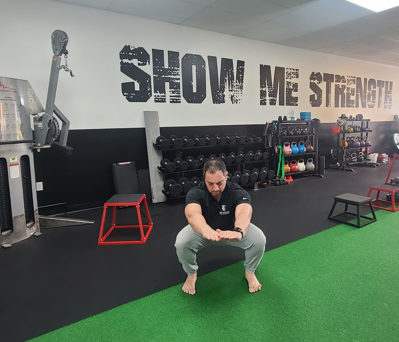
Have low back pain when squatting? There can be several reasons for this, but the first thing I check is your ankles. Limited ankle range of motion can alter how you squat and change your center of gravity, placing more strain on your low back.

Have low back pain when squatting? There can be several reasons for this, but the first thing I check is your ankles. Limited ankle range of motion can alter how you squat and change your center of gravity, placing more strain on your low back.
If you can’t squat deep without your heels raising or your feet turning out, chances are you are missing some ankle range of motion. The body loves to compensate, and just how it chooses to do it dictates where symptoms may develop.
For example, if you squat and feel like you’re going to fall backwards, you will likely bend forward at the waist as a counter to the feeling of falling backwards. Like so:
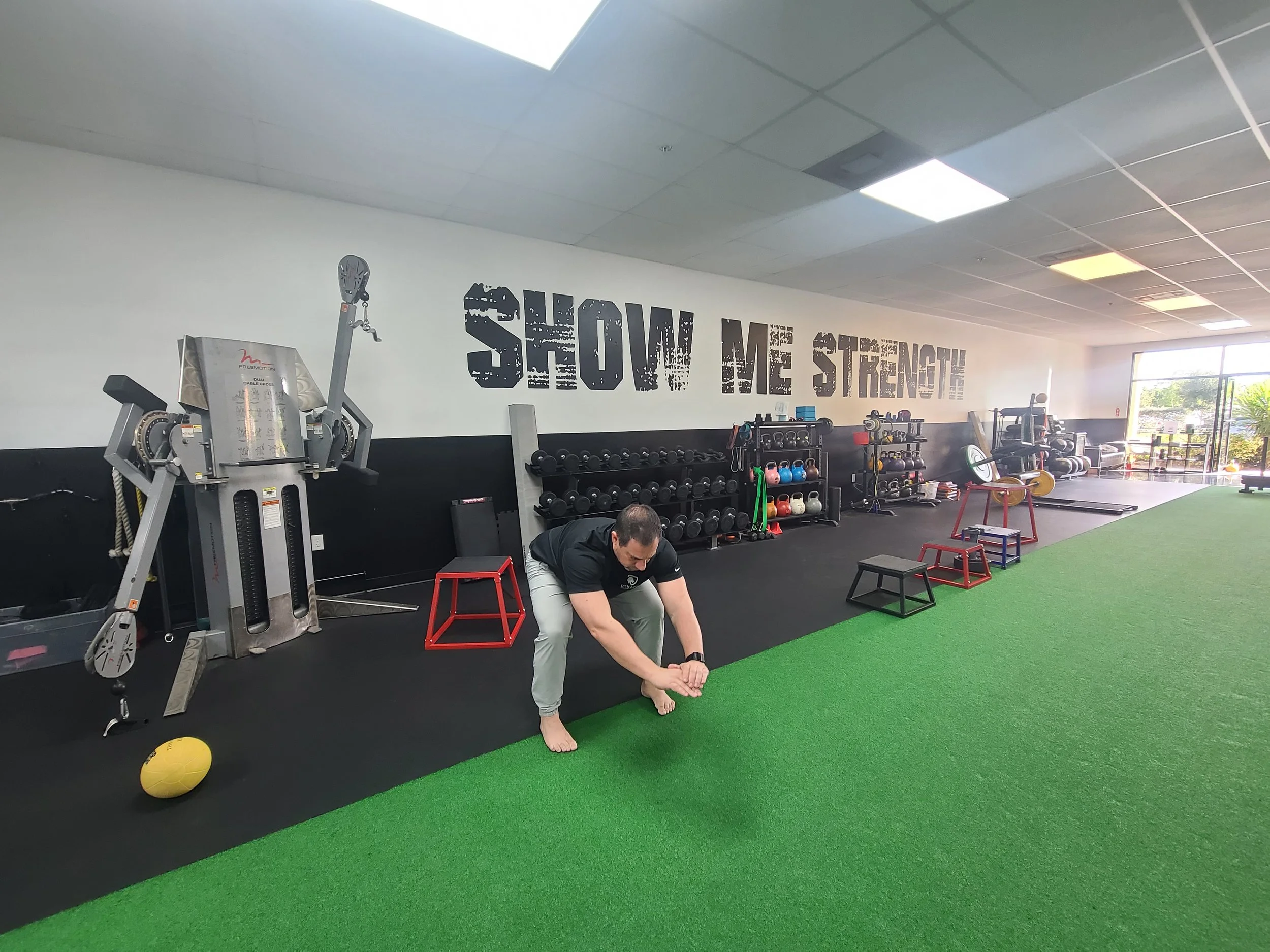
That may be all well and good, but once you start loading this position with some weight, your back will have to work extra hard to get that weight back up. A quick test to see if the ankles are the problem is to take them out of the picture by buying back some range of motion and elevating your heels. You can stand on some plates or on something like shown below. If, with heels elevated, you can be closer to upright in your torso, chances are it’s your ankles to blame. See below:

So the short term fix would be to elevate your heels, or just not squat as deep. However, if you want to get into a deep squat (which I recommend for knee health), then you should prioritize mobilizing your ankles and getting some range of motion restored.
Here are two of my favorite exercises for this:

Osteoporosis and Hyponatremia
If you’ve seen marathon runners collapse, it’s because of hyponatremia. Hyponatremia is a state where the concentration of salt in the body is abnormally low. Most are familiar with dehydration and it’s likely more common, however hyponatremia is not talked about quite as much and can be deadly. As discussed in this article, it can cause confusion, nausea, headache, and swelling of the brain which can lead to death if severe enough. Another problem that it has been linked to is osteoporosis.

We’ve been told for decades to avoid salt. Perhaps that made some more sense when Americans were eating a lot of canned goods and food with preservatives. That is no longer the case. Americans have been improving their food choices (although still tons of room for improvement). Avoidance of salt in an otherwise healthy diet is not great advice. We need salt in our diet, and avoidance of salt can lead to hyponatremia.
If you’ve seen marathon runners collapse, it’s because of hyponatremia. Hyponatremia is a state where the concentration of salt in the body is abnormally low. Most are familiar with dehydration and it’s likely more common, however hyponatremia is not talked about quite as much and can be deadly. As discussed in this article, it can cause confusion, nausea, headache, and swelling of the brain which can lead to death if severe enough. Another problem that it has been linked to is osteoporosis.
Our bones are storage reservoirs for minerals such as calcium, phosphorus, and salt. This is what makes them hard. When our fluids are deficient in a mineral, the bone will release what is needed. This is a constant dynamic process of minerals coming and going. Osteoblasts form bone and osteoclasts break them down.
Dozens of studies have confirmed that there is a significant association between hyponatremia and osteoporosis, and many of these studies conclude that the likely mechanism is due to bone salts being released to restore balance.
So, unless you have high blood pressure, salt your food to taste. If you have high blood pressure, work on getting that down first. High blood pressure is usually caused by insulin resistance and adopting a low carb diet may improve symptoms. Of course, consult with your physician or a dietician first.

Warm Up and Recovery
I get a lot of questions about what to do before playing a sport. I rarely get asked about what to do afterwards, which is equally as important. We seem to have forgotten the recovery aspect of using the body. I guess this is not surprising as we are a culture of go, go, go. Coffee, workouts on lunch breaks, more coffee. Constant stimulus. Remember, the body is always seeking homeostasis (equilibrium). When it gets tipped off the scale too often, we get break down. This is where injury occurs. If you want to improve performance, you do want to apply the right amount of stimulus, but then you must allow for recovery to keep injury at bay and to excel. This is called the hormetic effect. So let’s dig into how to approach this.

I get a lot of questions about what to do before playing a sport. I rarely get asked about what to do afterwards, which is equally as important. We seem to have forgotten the recovery aspect of using the body. I guess this is not surprising as we are a culture of go, go, go. Coffee, workouts on lunch breaks, more coffee. Constant stimulus. Remember, the body is always seeking homeostasis (equilibrium). When it gets tipped off the scale too often, we get break down. This is where injury occurs. If you want to improve performance, you do want to apply the right amount of stimulus, but then you must allow for recovery to keep injury at bay and to excel. This is called the hormetic effect. So let’s dig into how to approach this.
For a warm up, think active. Static stretching is probably not ideal. You want to break a sweat, and get some blood pumping. At rest, blood pools towards the gut, especially after a meal. If you get cold after a meal, this is why. As you start to use your limbs, more blood gets pushed to the periphery of your body. Think about what movements you are going to use for that sport, and make sure you are doing something that is specific to it. Let’s take golf for example. Golf, like many sports, is highly rotational. So you should include something in your warm up that is actively rotational. Sports like hockey and lacrosse that require a lot of stick handling place high demands on the forearms. So you should find an exercise that gets blood pumping to the forearms.
Here is an example of how to actively warm up your forearms:
Many people think of sports as being good for your body. And it is, in some regards. However, you’ve placed stress on your body, particularly the muscular system. Metabolic waste is left behind. This waste is mitigated by your lymphatic system. This system is similar to your vascular system. The difference is that the vascular system has a pump; your heart. The lymphatic system does not have a pump and relies on muscle contraction to push the waste product through the system.
So for recovery, again think active. At least immediately after exercise. Light movement is best. Going for a walk, bike, or a swim works fantastically. This is also the time to do your soft tissue maintenance. That could be using a massage gun, foam rolling, getting a massage, etc. If you like to stretch, this is probably when you want to do it.
Here is an example of a way to self massage the adductors:
There is a great quote from the music industry, “silence is just as important as sound”.
This relates to recovery in that the way you spend your down time can be equally important. Whether that is reading a book, walking in nature, working on a breathing practice or meditation, ice baths/saunas; these are all fantastic practices to incorporate into recovery. These all stimulate the parasympathetic nervous system. Put these principles into practice and you’ll certainly excel. Can you just play a sport and not do any of this? Sure, but expect decreased performance and increased risk of injury.

Difficulty With a Deep Squat? Check Your Adductors.
There are a number of reasons why you may have difficulty achieving a deep squat. Usually it’s your ankles. If you feel like you are going to fall backwards during a squat, it’s your ankles. However, if you feel strain in your groin or inner thigh, it may be your adductors.

There are a number of reasons why you may have difficulty achieving a deep squat. Usually it’s your ankles. If you feel like you are going to fall backwards during a squat, it’s your ankles. However, if you feel strain in your groin or inner thigh, it may be your adductors.
Adductors get stiff. Often. Your femurs at rest are in a shortened position, even in standing. If you don’t take time to mobilize your adductors, then they stay stiff. When you squat, the femur has to flex and abduct which takes up the slack in the adductors.
Try these three things to mobilize the adductors, then retest your squat:
Shoulder Pain, Bench Press, and Extension
Do you get pain in the front of the shoulder with bench press or push ups? The front of the shoulder is a sensitive area and has a lot of nerves that pass through this area. If the head of your humerus presses forward into this bundle, it can cause some pretty nasty pain. What causes this to happen? Lack of shoulder extension.

Do you get pain in the front of the shoulder with bench press or push ups? The front of the shoulder is a sensitive area and has a lot of nerves that pass through this area. If the head of your humerus presses forward into this bundle, it can cause some pretty nasty pain. What causes this to happen? Lack of shoulder extension.
This is shoulder extension:

You need about 30-40 degrees of extension to perform a push up or bench press (just ignore that the elbow is bent, it’s still shoulder extension). See below:

If you are lacking full extension, the whole shoulder girdle will tip forward like so:

Here is a simple assessment. Lay on your stomach with your elbows bent and try to lift your fist off the table. If you can’t lift your fists, you are likely missing shoulder extension.

I’d recommend first starting by doing a “pec release”. The pec can limit extension, so grab a firm ball and try to decrease some of the tension in the pec like so:
Then, improve extension like this:
You can also try the Bully Stretch:

High Blood Pressure? Drop the Sugar.
For years, we’ve been told to avoid salt as it increases blood pressure. There is more to the story than that. After all, there is what is known as “salt sensitive hypertensives”. So why do some people seem to be sensitive to salt, and others are not? Whenever this pattern arises, there is some more digging to be done. Perhaps the link is sugar.

For years, we’ve been told to avoid salt as it increases blood pressure. There is more to the story than that. After all, there is what is known as “salt sensitive hypertensives”. So why do some people seem to be sensitive to salt, and others are not? Whenever this pattern arises, there is some more digging to be done. Perhaps the link is sugar.
But first, let’s discuss how salt can raise blood pressure. Salt is necessary for human life and it’s part of muscle contraction. Our bodies rely on a balance of water and salt. This balance is detected in our kidneys, which signals to our endocrine system where the balance stands. Too much salt, the pituitary secretes vasopressin to tell the kidneys to hold on to water. Not enough salt, the adrenal glands secrete aldosterone to tell the kidneys to hold on to salt.
Water chases salt, so where there is more salt, there is more water, and total blood volume increases. This means blood pressure will increase as well. Increased insulin levels raise aldosterone (Kubzansky & Adler, 2009). A diet that is chronically high in carbohydrates will lead to insulin resistance, and therefore more aldosterone when carbs are eaten. So this may explain why some are sensitive to salt, and some are not. Perhaps those that are salt sensitive, are insulin resistant. Quite simply: a diet high in carbs>insulin resistance>increased aldosterone>increased salt and water retention>elevated blood pressure.
Another way that sugars may increase blood pressure is through its effect on the blood vessels. Insulin has two important effects on the vasculature. Normally, insulin suppresses cytokines, adhesion molecules, and reactive oxygen species (the damaging stuff for vessels). It also stimulates nitric oxide release, a known vasodilator (widens the vessel). In an insulin resistant state, this hormone no longer exhibits its effects (Fonseca, 2007). So now you have a tube that is thickened from the inside, and narrowed because of the lack of nitric oxide; a double whammy.
That’s 3 ways that sugars can increase blood pressure. And that’s just what we know of. Time and time again, we learn that the farther we stray from how our ancestors ate, the worse our health becomes.
References:
Fonseca VA. The effects of insulin on the endothelium. Endocrinol Metab Clin North Am. 2007 Dec;36 Suppl 2:20-6. doi: 10.1016/s0889-8529(07)80009-0. PMID: 18407031.
Kubzansky LD, Adler GK. Aldosterone: a forgotten mediator of the relationship between psychological stress and heart disease. Neurosci Biobehav Rev. 2010;34(1):80-86. doi:10.1016/j.neubiorev.2009.07.005

How Dietary Fats May Influence Migraines
Anyone who has experienced a migraine can tell you just how horrific they can be. In high school, I used to get them and it felt like someone was dropping acid on my brain. I would have to lock myself in a room with the shades drawn and suffer through it, often to the point of vomiting. While there are many triggers to migraines, there are some easy dietary changes you can try that may influence it.

Anyone who has experienced a migraine can tell you just how horrific they can be. In high school, I used to get them and it felt like someone was dropping acid on my brain. I would have to lock myself in a room with the shades drawn and suffer through it, often to the point of vomiting. While there are many triggers to migraines, there are some easy dietary changes you can try that may influence it.
The way we have eaten as a species has dramatically changed. We’ve introduced some nasty, non-species appropriate foods into our diets. If you’ve been following my nutrition blog at all, I’m sure you’ve picked up on the fact that vegetable oils, a.k.a. Industrial seed oils, take the blame for many of the problems we face. This is no exception. And should we be surprised that if we ingest something that was intended initially as a lamp oil and machine lubricant has some negative consequences?
Vegetable oils are a type of polyunsaturated fatty acid (PUFA). PUFAs are an essential fatty acid and include omega 6 and omega 3. The problem is, the ratio of omega 6 to 3 has drastically changed. Historically, we ingested these PUFAs at a ratio of 1:1 and in the last 3 decades, that has jumped to 20:1 with omega 6 far outweighing omega 3 (Simopoulos, 2016). The reason there has been a massive change in the ratio is because of the uptick in vegetable oils in our foods, which are an omega 6 oil.
In July of 2021, a systematic review, which is one of the highest levels of evidence, sought to determine the link between diet and migraines (Burch). They found that a diet with a normal ratio of omega 6 to 3 significantly reduced headache frequency and intensity. Omega 6 and omega 3 are precursors to a molecule known as oxylipins. Oxylipins have opposing effects when it comes to regulating pain and inflammation in the body, depending on their precursor. Oxylipins from omega 6 are pro-inflammatory whereas when derived from omega 3, it is anti-inflammatory.
Additionally, we know that adipose tissue (fat tissue) can secrete cytokines which signal inflammation. A diet that is high in omega 6 and low in omega 3 increases the risk for obesity (Simopoulos, 2016). When there is inflammation in the gut, it can travel to the brain and cause headaches via the gut-brain axis (Arzani et al., 2020).
The results are in. Vegetable oils can have a cascade of negative consequences in the body. The problem is they are in so many food items. If it has a label, chances are it contains vegetable oil. Here are ones to avoid:
Soybean oil
Safflower oil
Canola oil
Ricebran oil
Cottonseed oil
Corn oil
Grapeseed oil
Sunflower oil
And where do we get omega 3’s? Oily fish like mackerel and salmon, oysters, sardines, eggs, and grass fed red meat.
References:
Burch, R. (2021). Dietary omega 3 fatty acids for Migraine. BMJ. https://doi.org/10.1136/bmj.n1535
Simopoulos, A. (2016). An increase in the omega-6/omega-3 fatty acid ratio increases the risk for obesity. Nutrients, 8(3), 128. https://doi.org/10.3390/nu8030128