
What your score means
Your Dynamic Flex Index results suggest that Energy & Metabolism may currently be one of the biggest constraints on your ability to adapt and perform. This domain reflects how consistently you experience energy throughout the day, how well your body responds to changes in activity and fueling, and your ability to meet physical and mental demands without excessive fatigue or energy crashes.

Why it matters
Poor Energy Regulation → Energy Crashes → Reduced Capacity → Slower Adaptation
Your body is constantly adjusting to changing demand, going from rest to activity, fasting to eating, and periods of high demand back to recovery. A flexible metabolism helps you produce, access, and use energy efficiently when you need it. The goal isn't simply to “have more energy.” It's to build a system that can meet changing demands without constantly running out of fuel.

When you need more help
When energy production and metabolic flexibility are compromised, you may notice fatigue, afternoon crashes, cravings, difficulty concentrating, poor exercise tolerance, or slower recovery.
Your First 3 Steps
1
Build More Stable Energy
Create meals around protein, fiber-rich whole foods, healthy fats, and minimally processed carbohydrates to help support steadier energy and reduce large swings in hunger and blood sugar. Start by improving the quality and balance of your meals rather than chasing a perfect diet.
2
Move After Meals
One of the simplest ways to support metabolic health is movement. Try a 10–15 minute walk after meals, particularly after your largest meal of the day. Your muscles can use circulating glucose for energy, helping support healthy glucose regulation and metabolic flexibility.
3
Build Metabolic Capacity
Your body becomes better at producing and using energy when you regularly challenge it. Combine strength training, aerobic exercise, and regular daily movement, progressing gradually based on your current capacity. The goal isn't exhaustion. Think: Stress→ Recover → Adapt.
Want to improve blood sugar control?
Stable blood sugar is a cornerstone of metabolic health. When glucose regulation becomes impaired, it can contribute to energy crashes, cravings, insulin resistance, and increased risk for chronic disease. Learn practical strategies for supporting healthier glucose regulation in our free guide.
More Resources
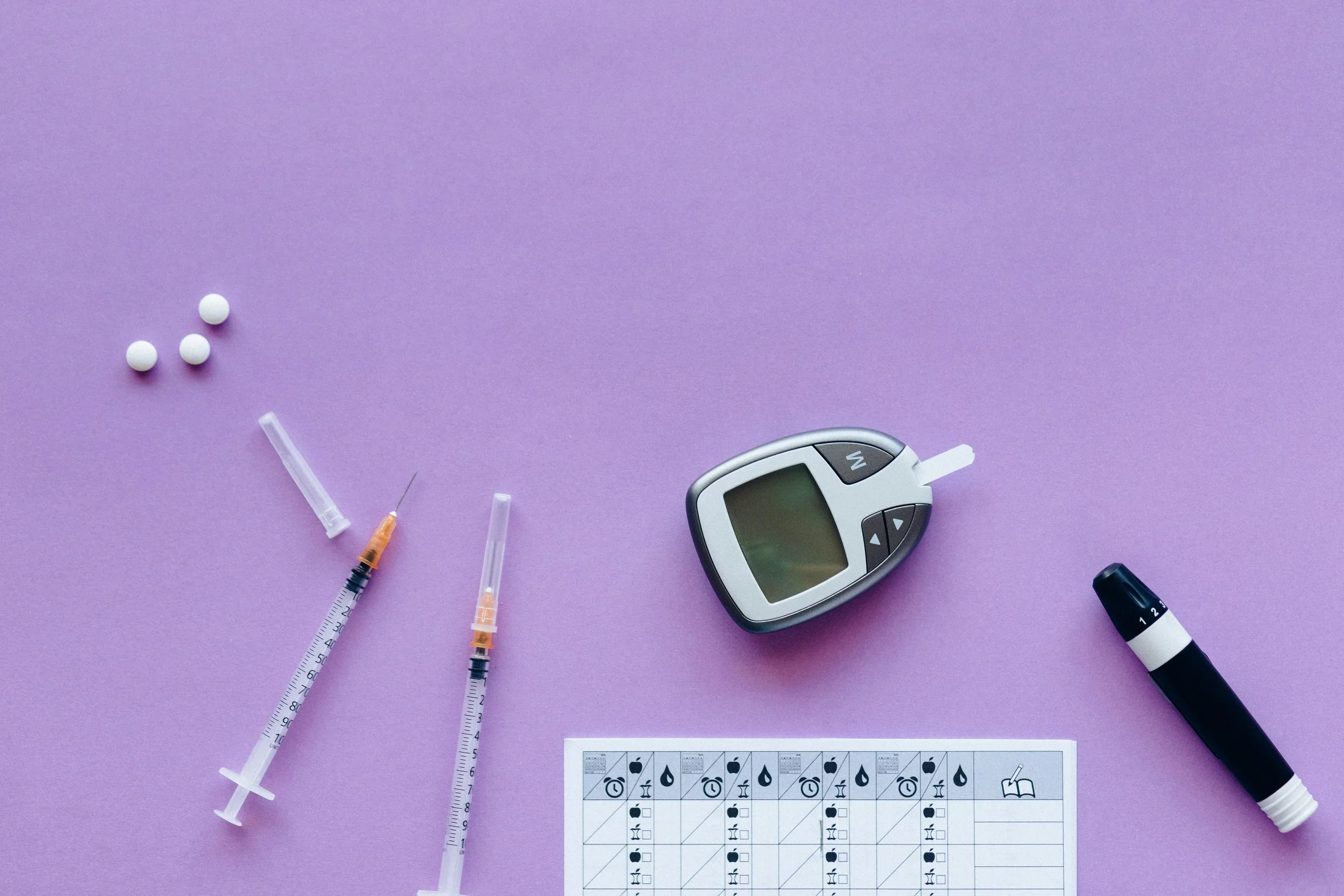
The Relationship Between Insulin and Cancer
Cancer is a complex and multifaceted disease, influenced by a wide array of genetic, environmental, and lifestyle factors. Among these, insulin, a hormone primarily known for regulating blood sugar levels, has emerged as a key player in cancer research. The relationship between insulin and cancer is multifactorial, involving metabolic pathways, cellular growth, and inflammation.

How to Determine Your Metabolism Through Thyroid Bloodwork
Your metabolism is closely tied to thyroid function, and standard lab tests don’t always tell the full story. In this video, we explain how to evaluate your metabolic health through thyroid bloodwork, what each marker means, and how to interpret results beyond just TSH.

Are You Metabolically Inflexible?
Metabolic flexibility is a term that’s being thrown around a lot right now, and for good reason. With the COVID pandemic, there was a strong predilection towards impacting people with metabolic syndrome which is directly correlated to metabolic inflexibility. Metabolic syndrome is a cluster of symptoms which appear to tie back to insulin resistance, a.k.a. Diabetes. Millions of Americans are diabetic, and millions more are prediabetic.