
What your score means
Your Dynamic Flex Index results suggest that Gut & Immune Resilience may currently be one of the biggest constraints on your ability to recover, adapt, and feel your best. This domain reflects how well your digestive and immune systems tolerate everyday challenges including food, stress, illness, environmental exposures, changes in routine, and physical demands, while maintaining balance and recovering when that balance is disrupted.
Why it matters
Challenge → Respond → Recover → Restore Balance
Your gut does much more than digest food. It plays an important role in nutrient absorption, immune function, inflammation, metabolism, and communication with the nervous system. At the same time, your immune system is constantly deciding what requires a response and what doesn't. A resilient system needs to be able to respond appropriately without remaining unnecessarily activated.

When you need more help
When gut and immune resilience is reduced, you may notice digestive discomfort, bloating, irregular bowel habits, food sensitivities, frequent illness, low energy, or difficulty feeling like your system has fully returned to normal after a challenge. This doesn't necessarily mean something is "wrong" with your gut or immune system. It may simply mean your system has less capacity to tolerate the demands currently being placed on it. The goal isn't to create a perfectly controlled diet or avoid every possible trigger. It's to build a system that can tolerate more, respond appropriately, and return to balance.
Your First 3 Steps
1
Start With the Foundations
Before reaching for complicated protocols or supplements, make sure the basics are in place. Prioritize whole, nutrient-dense foods, adequate protein, hydration, regular movement, quality sleep, and consistent meal patterns that work well for you. Your gut and immune system don't operate independently from the rest of your body. The foundations matter.
2
Support a Diverse Gut
Your intestinal microbiome is an ecosystem made up of trillions of microorganisms. One of the simplest ways to support that ecosystem is through dietary variety. Gradually include a variety of whole foods and different sources of fiber that you tolerate well rather than relying on the same foods every day. The goal isn't to eat perfectly. It's to create an environment that supports a healthy, adaptable ecosystem.
3
Look for Patterns, Not Individual Triggers
It's easy to blame one food every time you experience bloating, fatigue, or digestive discomfort. Instead, step back and look for patterns. Consider what else was happening; your sleep, stress level, alcohol intake, activity, medications, recent illness, and overall diet. Your symptoms rarely exist in isolation. Understanding the bigger picture can help you identify what is actually limiting your resilience rather than unnecessarily restricting more and more foods. Think: Support the System → Build Capacity → Improve Resilience
Build a More Resilient Gut
A resilient gut starts with supporting the ecosystem that lives within it. This free guide breaks down prebiotics, probiotics, and postbiotics, what they are, how they work together, and where to find them in foods and supplements. Learn simple ways to support a healthier, more diverse microbiome and give your gut and immune system the foundation they need to respond, recover, and maintain balance.
More Resources
Test your Gut
Hippocrates famously declared that “all disease begins in the gut” over 2,000 years ago. He was right. There is a gut-brain axis, gut-immune axis, gut-brain axis, gut-skin axis and list goes on. We have more bacteria in our gut than human cells so the health of our microbiome dictates our health. The GI Map test is a home kit and one I use often with my clientele.

The Lymphatic System and Autoimmune Disease
The lymphatic system and directly tied to your immune system. Toxic burden is one of the known triggers for autoimmunity, and helping to reduce toxic burden through the lymphatic system can be a key component to managing autoimmune disease.
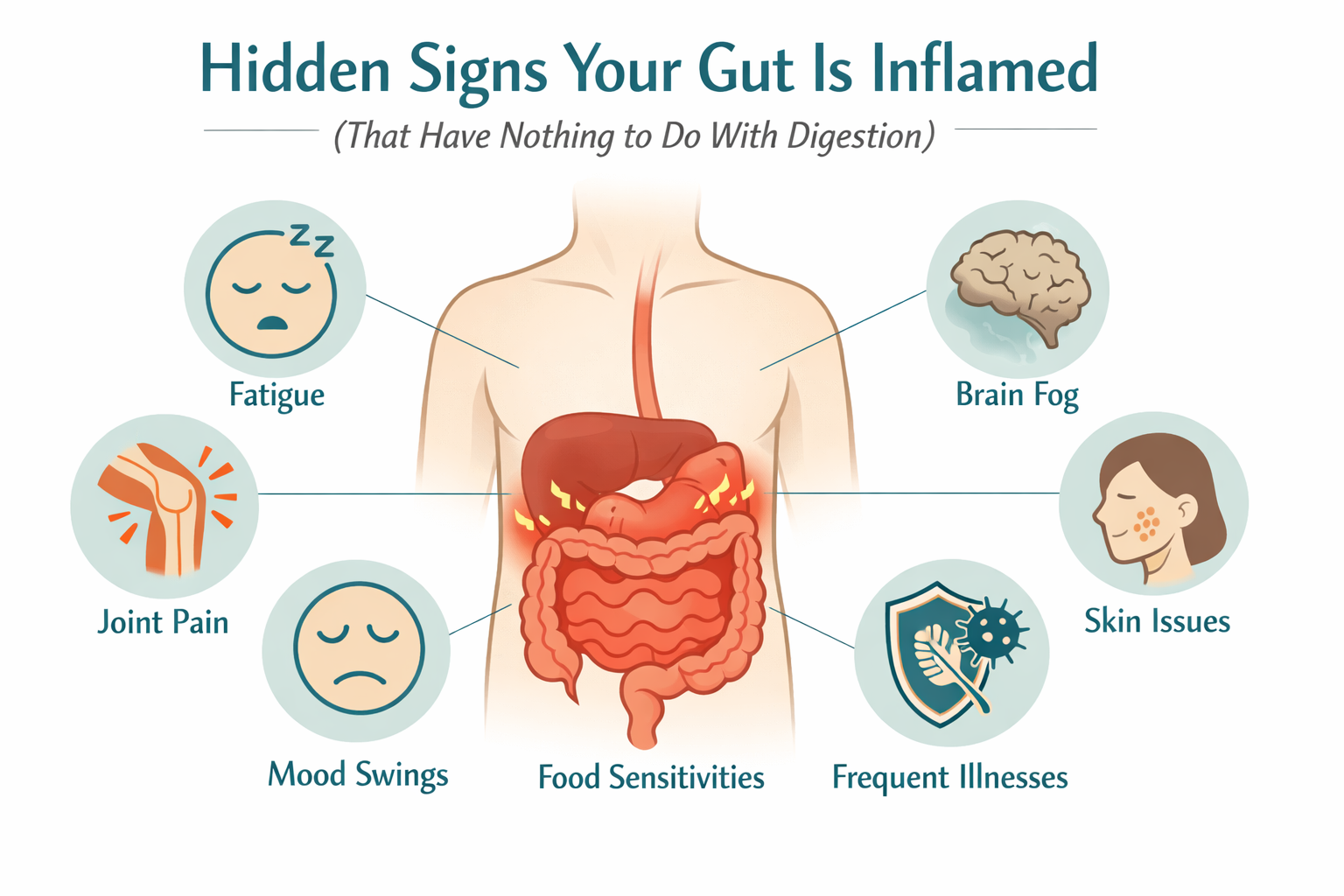
Hidden Signs Your Gut Is Inflamed
When people think about gut problems they usually imagine symptoms like bloating, diarrhea, reflux, or stomach pain. While those can certainly occur, gut inflammation often shows up in ways that seem completely unrelated to digestion. In fact, many people with significant gut dysfunction have very few digestive complaints at all.