Questions? Or do you want me to blog on a specific topic? Email me at: drchris@dpt.services

Summary Block
This block has no content yet. Items you add to the page connected to this block will display here.

Want to get the latest blog posts? Sign up for the Thursday Three Newsletter below.

Christopher Ellis Christopher Ellis

How to Improve Detoxification

The word “toxins” gets thrown around a lot and is sort of this vague idea. I used to cringe when I heard someone say, ‘drink lots of water to get rid of the toxins’. It sounded like nonsense. However, toxins are a real thing and understanding what they are, and where they are, can help us understand how to deal with them. 

The word “toxins” gets thrown around a lot and is sort of this vague idea. I used to cringe when I heard someone say, ‘drink lots of water to get rid of the toxins’. It sounded like nonsense. However, toxins are a real thing and understanding what they are, and where they are, can help us understand how to deal with them.
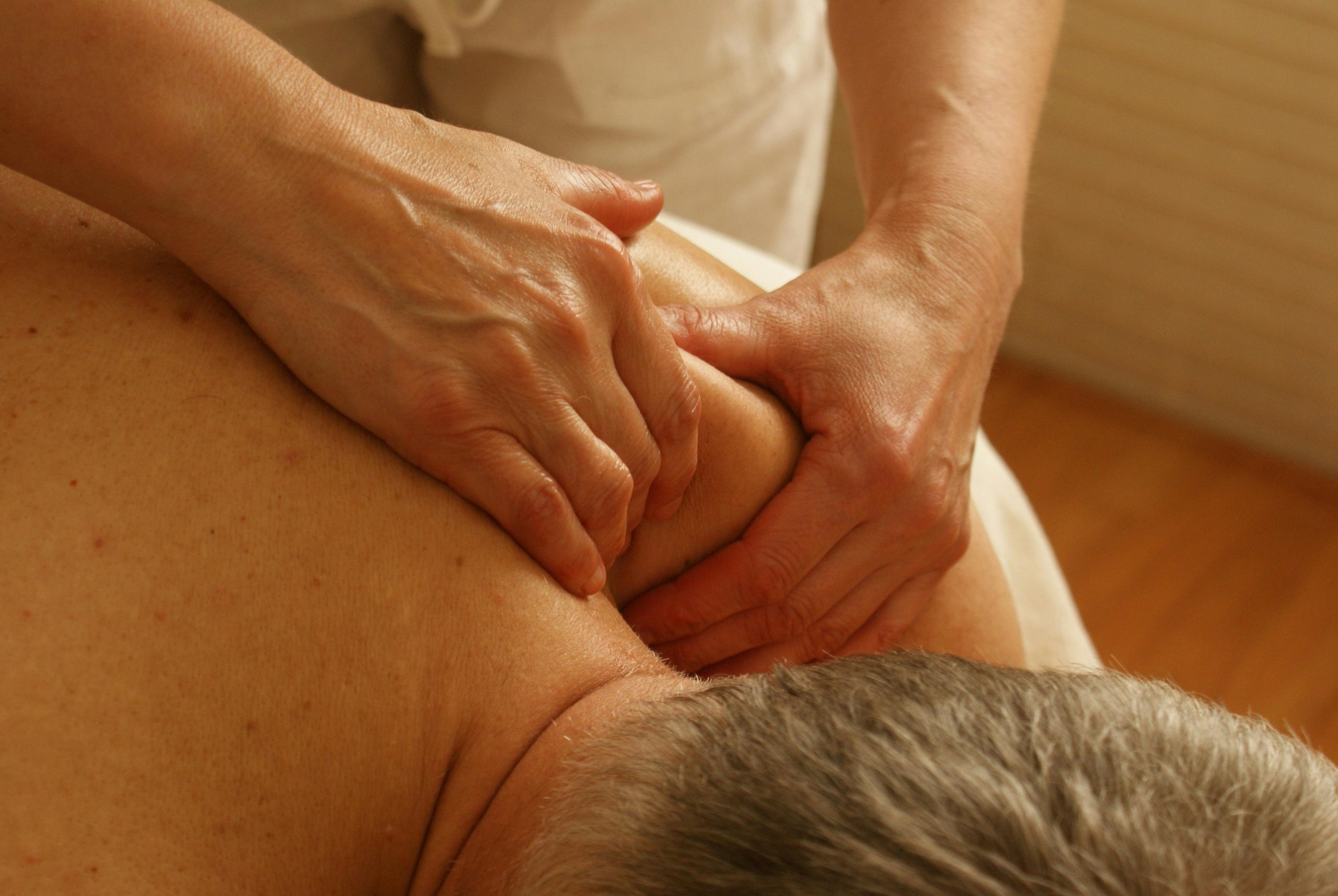
So let’s start with what they are. They come in many forms such as environmental (smog, pesticides, heavy metals), chemicals (BPA, phthalates, fragrances, cleaning agents), food-relaxed (alcohol, processed additives, mold), medications and recreational drugs, and microbial toxins (waste from gut bacteria or infections). The body wants to protect the vital organs so it stores the majority in the subcutaneous fat. Some gets stored in the liver, bones, and teeth. 

The liver is the main organ that handles detoxification. There are three phases to this process. First the liver breaks down toxins with enzymes such as cytochrome P450. This transforms fat-soluble toxins into water-soluble compounds that can be eliminated through bile, urine, and sweat. The second phase neutralizes toxins to prepare for elimination. These processes are methylation, sulfation, glucuronidation, and conjugation with amino acids.Then in phase three, transport proteins move the water-soluble toxins into bile or urine for excretion. This stage depends heavily on hydration, bile flow, and the proper functioning of the kidneys and digestive system.

The liver works constantly, but its efficiency can be influenced by diet, lifestyle, and environment. A nutrient-rich diet with plenty of protein, colorful fruits and vegetables, and antioxidants helps supply the raw materials for detoxification. Regular movement and hydration keep circulation and elimination pathways active. Equally important is minimizing exposure to unnecessary toxins, such as excess alcohol, highly processed foods, and environmental pollutants when possible. Here are some diet and supplements that may support the detox phases:

Phase I Support (Oxidation & Breakdown)

Phase I uses the cytochrome P450 enzymes to transform toxins. This process produces free radicals, so antioxidants are especially important.

  • Vitamin C and Vitamin E – protect cells from oxidative stress

  • N-acetylcysteine (NAC) – precursor to glutathione, the body’s master antioxidant

  • Green tea extract (EGCG) – supports balanced Phase I activity and provides antioxidant defense

  • B vitamins (B2, B3, B6, B12, folate) – cofactors for many enzymatic reactions in detoxification

Phase II Support (Conjugation & Neutralization)

Phase II attaches molecules to toxins to make them less harmful and easier to eliminate. Each pathway requires different nutrients.

  • Glutathione – direct antioxidant and key conjugating molecule

  • Sulfur-containing amino acids (NAC, taurine, methionine) – support sulfation pathways

  • Magnesium – essential for methylation and other conjugation reactions

  • Methyl donors (methylated B12, folate, betaine/trimethylglycine) – support methylation

  • Milk thistle (silymarin) – supports glutathione production and protects liver cells

  • Calcium-D-glucarate – helps glucuronidation, important for hormone detoxification

Phase III Support (Transport & Elimination)

Phase III moves conjugated toxins into bile or urine for excretion.

  • Phosphatidylcholine – supports healthy bile flow

  • Dandelion root and artichoke extract – promote bile production and flow

  • Probiotics and prebiotics – support gut health and prevent reabsorption of toxins

  • Fiber (psyllium, flaxseed, inulin) – binds toxins in the gut for elimination

Supplements work best when paired with healthy habits: adequate hydration and electrolytes for lymphatic flow, a high-fiber diet to support elimination, regular movement to stimulate circulation, and good sleep for repair and recovery. Here are some active things you can do to support the liver and detoxification:


A Daily Detox Routine for Natural Cleansing

Morning

  • Hydrate first thing: Start your day with a glass of water to rehydrate after sleep and kickstart kidney function.

  • Deep breathing or meditation: Spend 5–10 minutes with slow belly breathing or mindfulness. This oxygenates the body, calms stress hormones, and supports detox through the lungs.

  • Movement: Light stretching, yoga, or a brisk walk helps activate circulation and lymph flow. Even 10–15 minutes makes a difference.

  • Skin brushing: Before a shower, use a natural bristle brush to sweep toward the heart. This stimulates lymphatic drainage and exfoliates the skin.

  • Contrast shower (optional): End your shower with 30–60 seconds of cool water, alternating with warm water if you like. This boosts circulation and energizes the body.

Midday

  • Move often: Break up long periods of sitting with a quick stretch or short walk. This keeps lymph moving and prevents stagnation.

  • Mindful breathing break: Take a few minutes to step away from screens, inhale deeply through your nose, and exhale slowly. This reduces stress, which can burden the liver.

  • Natural light exposure: Spending even 15 minutes outside helps regulate circadian rhythm, which is key for sleep and overnight detox.

Afternoon/Evening

  • Exercise that makes you sweat: Whether it’s a workout, brisk walk, dancing, or sauna time, sweating helps eliminate toxins through the skin while boosting circulation.

  • Massage or foam rolling (a few times per week): These support lymphatic drainage and relieve muscle tension, further assisting detox pathways.

Night

  • Digital wind-down: Limit blue light exposure from screens an hour before bed to encourage melatonin release.

  • Gentle relaxation: Try restorative yoga, meditation, or journaling to calm the nervous system.

  • Prioritize sleep: Aim for 7–9 hours. Deep sleep activates the brain’s glymphatic system, which clears waste products that build up during the day.

Weekly Add-ons

  • Sauna or steam therapy: Once or twice a week, spending time in a sauna or steam room supports sweating and detox through the skin.

  • Nature time: Forest walks, gardening, or grounding barefoot outdoors reduce stress and reconnect you to natural rhythms.

Here is a simple lymphatic exercise you can do to help improve lymphatic flow (which supports detoxification):

Read More
Christopher Ellis Christopher Ellis

Improve Sleep with Manual Lymphatic Drainage (MLD)

Getting quality sleep is paramount to health, and so many of my patients struggle with this. Stress, screens (which disrupt circadian rhythm), and irregular schedules can wreak havoc on our ability to rest deeply. But what if a gentle, hands-on technique could help reset your body and improve the way you sleep? Manual Lymphatic Drainage, or MLD, can be a powerful tool to improve the quality of your sleep.

Getting quality sleep is paramount to health, and so many of my patients struggle with this. Stress, screens (which disrupt circadian rhythm), and irregular schedules can wreak havoc on our ability to rest deeply. But what if a gentle, hands-on technique could help reset your body and improve the way you sleep? Manual Lymphatic Drainage, or MLD, can be a powerful tool to improve the quality of your sleep.

MLD is a specialized technique designed to encourage the natural movement of lymph fluid through the body. The lymphatic system is a key component of your immune system, responsible for removing waste. When it becomes sluggish or congested, it can lead to swelling, fatigue, and a general feeling of heaviness. More recently, people are beginning to understand how this system also affects the nervous system, inflammation levels, and overall relaxation, all of which are tied closely to how well you sleep.

The connection between MLD and improved sleep lies in how the technique stimulates the parasympathetic nervous system. This is the part of your nervous system responsible for rest and recovery. When activated, it slows your heart rate, lowers blood pressure, and encourages a state of deep relaxation. Many people who receive MLD report feeling unusually calm during and after treatment. This calmness is not just pleasant in the moment but can carry over into the night, allowing for more restful and uninterrupted sleep.

In addition to calming the nervous system, MLD helps reduce physical discomfort that might interfere with sleep. It can relieve swelling in the limbs, improve sinus drainage, and even ease tension headaches. When the body feels less burdened by inflammation or fluid retention, lying down to sleep becomes easier and more comfortable. A lighter body often means a quieter mind.

Sleep is also when the brain performs many of its most vital functions, including waste removal through the glymphatic system. This system, closely related to the lymphatic system, becomes more active during deep sleep. Supporting lymph flow through MLD may complement the brain's natural detox process, creating a feedback loop where better lymphatic health leads to deeper sleep, and deeper sleep enhances lymphatic function.

In a world full of high-tech sleep aids and complex wellness advice, the gentle, rhythmic touch of Manual Lymphatic Drainage offers a simple and natural path to better rest. When your body feels lighter, your mind calmer, and your systems in harmony, falling asleep and staying asleep becomes less of a struggle and more of a nightly renewal.

Read More
Christopher Ellis Christopher Ellis

Manual Lymphatic Drainage (MLD) for Digestive Health

Digestive health issues like bloating, constipation, and irritable bowel syndrome (IBS) can disrupt daily life and leave many searching for gentle, effective solutions. Manual Lymphatic Drainage (MLD) is gaining attention as a complementary therapy that may offer relief for various digestive complaints.

Digestive health issues like bloating, constipation, and irritable bowel syndrome (IBS) can disrupt daily life and leave many searching for gentle, effective solutions. Manual Lymphatic Drainage (MLD) is gaining attention as a complementary therapy that may offer relief for various digestive complaints.

MLD is a gentle, rhythmic massage technique designed to stimulate the flow of lymphatic fluid throughout the body. Unlike traditional massage, MLD uses very light pressure and specific movements to encourage the natural drainage of lymph, which carries waste products away from the tissues and back toward the heart.

How MLD Supports Digestive Health

  • Reduces Inflammation: Chronic inflammation is a key factor in many digestive disorders, including IBS. MLD helps by facilitating the removal of inflammatory substances and toxins from the intestinal area, which may reduce discomfort like bloating and abdominal pain.


  • Promotes Lymphatic Flow: Improved lymphatic circulation aids in the removal of waste and toxins from the digestive tract. This can enhance overall gut health and help reduce symptoms such as constipation and swelling.


  • Relieves Stress: Stress is a known trigger for digestive issues. MLD is relaxing and can help lower stress levels, potentially easing stress-induced digestive symptoms like indigestion and heartburn.


  • Enhances Immune Function: A healthy lymphatic system supports the immune system. By improving lymph flow, MLD may help reduce the frequency and severity of digestive flare-ups.


  • Encourages Gut Motility: Some studies suggest that MLD, especially when performed on the abdomen, can stimulate bowel movements and help prevent constipation by promoting better gut motility.


Research on MLD’s effectiveness for digestive health is still emerging. Preliminary findings and patient reports indicate that MLD may relieve symptoms such as bloating, abdominal discomfort, and constipation, particularly when included as part of a holistic approach to managing IBS and other digestive disorders. However, more studies are needed to confirm these benefits and understand the mechanisms involved.

MLD may be especially helpful for individuals with:

  • IBS or other functional digestive disorders


  • Chronic constipation or bloating


  • Abdominal swelling due to lymphatic congestion


  • High stress levels contributing to digestive symptoms


Manual Lymphatic Drainage offers a gentle, non-invasive way to support digestive health. By reducing inflammation, promoting detoxification, and easing stress, MLD may help improve gut function and quality of life for those dealing with digestive challenges. As research continues, MLD is a promising addition to the management of digestive health.

Read More
Christopher Ellis Christopher Ellis

Manual Lymphatic Drainage and Post-Surgical Recovery

If you’ve just had surgery such as a knee replacement, a tummy tuck, or anything in between you’re probably eager to get back on your feet. One technique I always recommend for my post-op clients is Manual Lymphatic Drainage (MLD). MLD is a targeted approach and can be a game-changer for surgical recovery.

If you’ve just had surgery such as a knee replacement, a tummy tuck, or anything in between you’re probably eager to get back on your feet. One technique I always recommend for my post-op clients is Manual Lymphatic Drainage (MLD). MLD is a targeted approach and can be a game-changer for surgical recovery.

Surgery is a controlled trauma. Your body responds with inflammation and swelling as part of the healing process. But sometimes, that swelling (or edema) sticks around longer than it should, slowing your recovery, increasing discomfort, and even affecting your surgical results. That’s where your lymphatic system comes in. It's responsible for draining away excess fluid, cellular debris, and waste products that build up after surgery.

MLD is a specialized, gentle technique that stimulates your lymphatic system, encouraging lymph fluid to move away from the surgical site and back into circulation for elimination. Unlike deep tissue massage, MLD uses light, rhythmic strokes that follow the natural pathways of your lymph vessels. Here’s what that means for your recovery:

  • Reduces Swelling and Inflammation: By moving excess fluid out of tissues, MLD helps minimize that post-op puffiness and discomfort.


  • Accelerates Healing: With less swelling and better circulation, your body can deliver nutrients to healing tissues more efficiently—speeding up your return to normal activities.


  • Improves Scar Tissue Formation: MLD supports healthy tissue regeneration and can help minimize the formation of thick, restrictive scars.


  • Decreases Pain and Bruising: By clearing out inflammatory byproducts and reducing pressure on nerves, MLD can make you feel better, faster.


  • Prevents Complications: Regular lymphatic drainage can lower your risk of seromas (fluid pockets) and infections by keeping your immune system and fluid balance in check.


MLD is more than just a feel-good treatment, it’s a clinically supported intervention for post-surgical care. Studies have found that MLD reduces swelling, pain, and bruising, and can even improve mobility after orthopedic or cosmetic surgery. Some evidence suggests it may also enhance blood flow and help regulate your nervous system, supporting whole-body recovery.

  • Anyone recovering from cosmetic procedures (like liposuction, tummy tucks, facelifts)


  • Patients after orthopedic surgeries (joint replacements, ligament repairs)


  • Cancer survivors dealing with lymph node removal


  • Anyone experiencing prolonged swelling, stiffness, or slow healing after surgery

We start with an assessment, then use gentle, precise movements to clear the main lymphatic “hubs” before working around the surgical site. Most clients notice a decrease in swelling and discomfort within just a few sessions and often feel lighter and more mobile right away.


Read More
Christopher Ellis Christopher Ellis

How Lymphatic Drainage Can Improve Autoimmunity

There is an acronym, T.I.G.E.R., from the work of Dr. Akil Palanisamy, for the 5 triggers of autoimmune disease. While it’s tempting to blame genetics, it’s really the interplay between your genes and your environment that dictates whether genes are expressed or not. This is termed ‘epigenetics’.

There is an acronym, T.I.G.E.R., from the work of Dr. Akil Palanisamy, for the 5 triggers of autoimmune disease. While it’s tempting to blame genetics, it’s really the interplay between your genes and your environment that dictates whether genes are expressed or not. This is termed ‘epigenetics’. 

The T stands for toxins. According to Dr. Palanisamy, this is the biggest of the 5 triggers. Examples of toxins are microplastics, heavy metals, pesticides, etc. The lymphatic system is a vital part of your immune system. It consists of a network of vessels, lymph nodes, and lymph fluid, which work together to remove toxic substances. Unlike the cardiovascular system, the lymphatic system doesn’t have a central pump (like the heart). Instead, lymph fluid moves slowly through the body via muscle contractions, breathing, and manual stimulation [1].

Manual lymphatic drainage (MLD) is a specialized technique that encourages the natural flow of lymph fluid. Practitioners use light, rhythmic strokes to stimulate lymph nodes and vessels, helping the body eliminate metabolic waste, toxins, and excess fluid. Here’s how it works:

  • Enhances toxin removal: MLD facilitates the movement of interstitial fluid, helping remove cellular waste and foreign substances more efficiently [2].

  • Reduces inflammation: By improving drainage and tissue oxygenation, MLD may help reduce local inflammation, which is a key factor in many chronic conditions [3].

  • Improves circulation: Boosted lymphatic flow can enhance microcirculation, contributing to better tissue repair and immune defense [4].

Autoimmune diseases occur when the immune system mistakenly attacks the body’s own tissues. Conditions like lupus, rheumatoid arthritis, and Hashimoto’s thyroiditis involve chronic inflammation and immune dysregulation.

A sluggish lymphatic system may contribute to autoimmune symptoms in several ways:

  • Toxin accumulation: Poor lymph flow can lead to a buildup of cellular waste and toxins, which may trigger or worsen immune responses [5].

  • Inflammatory feedback loop: Chronic inflammation can impair lymphatic function, and in turn, a congested lymph system can perpetuate inflammation [6].

  • Immune cell trafficking: The lymphatic system is essential for transporting white blood cells. Dysfunction in this system may impair immune regulation [7].

By promoting detoxification and reducing inflammation, lymphatic drainage may help break this cycle and support the body's natural immune balance. Supporting the body’s natural detox pathways is an essential step toward immune health, especially in the context of autoimmune disease. Lymphatic drainage offers a gentle, non-invasive way to stimulate detoxification, reduce inflammation, and stimulate the parasympathetic nervous system.


References

  1. Gashev, A. A. (2010). Physiology of the lymphatic system. Colloquium Series on Integrated Systems Physiology.


  2. Foldi, M., Foldi, E., & Kubik, S. (2003). Textbook of Lymphology: For Physicians and Lymphedema Therapists. Elsevier.


  3. Bakar, Y., Tugral, A., & Keklik, S. (2014). Effects of Manual Lymph Drainage on Pain and Health-Related Quality of Life in Patients with Fibromyalgia: A Randomized Controlled Trial. Journal of Manipulative and Physiological Therapeutics, 37(2), 117–123.


  4. Zawieja, D. C. (2009). Lymphatic biology and the microcirculation: past, present and future. Microcirculation, 16(7), 643–654.


  5. Dietrich, L., et al. (2020). Impaired lymphatic drainage promotes tissue inflammation and autoimmunity. Nature Immunology, 21(12), 1456–1468.


  6. Kataru, R. P., et al. (2019). Lymphatic Dysfunction in Chronic Inflammatory Diseases. Current Opinion in Immunology, 61, 97–103.


  7. Randolph, G. J., et al. (2017). The lymphatic system in disease processes and immunity. Cell, 170(4), 807–821.


Read More
Christopher Ellis Christopher Ellis

Lymphatic Drainage and HRV

HRV (heart rate variability) is a hot topic, and for good reason. It’s a measure of your autonomic nervous system which is highly tied to the lymphatic system. The lymphatic system is where immune responses are launched. Lymphatic drainage can help improve heart rate variability (HRV) by reducing stress, enhancing circulation, and promoting parasympathetic nervous system activity. This can have a direct effect on swelling.

HRV (heart rate variability) is a hot topic, and for good reason. It’s a measure of your autonomic nervous system which is highly tied to the lymphatic system. The lymphatic system is where immune responses are launched. Lymphatic drainage can help improve heart rate variability (HRV) by reducing stress, enhancing circulation, and promoting parasympathetic nervous system activity. This can have a direct effect on swelling. 

The autonomic nervous system, involves the sympathetic nervous system (SNS) and parasympathetic nervous system (PNS), this is how they affect the lymphatic system:

  1. The sympathetic nervous system (fight or flight response) can influence the contraction of lymphatic vessels, increasing lymph flow during times of acute stress.

  2. On the flip side, the parasympathetic nervous system (rest and digest) promotes relaxation, potentially helping to improve lymphatic drainage during times of calm or recovery.

Gentle lymphatic drainage techniques stimulate the vagus nerve, which enhances parasympathetic tone and promotes relaxation. Since HRV is a marker of autonomic balance, improving parasympathetic activity leads to a higher HRV, which is linked to better stress resilience and cardiovascular health.

The lymphatic system helps remove metabolic waste and excess fluids. By improving lymphatic flow, the body reduces chronic inflammation, which can lower sympathetic nervous system (SNS) dominance. Since high stress and inflammation are associated with low HRV, reducing them supports better HRV.

Lymphatic drainage also helps improve blood circulation and oxygen delivery by preventing stagnation and fluid retention. Better circulation supports cardiac efficiency, which contributes to a more adaptive HRV response.

Better lymphatic function can improve detoxification in the brain (via the glymphatic system), reducing stress and improving sleep quality which is a key factor in HRV improvement.

Athletes and individuals recovering from illness or intense physical activity often use manual lymphatic drainage (MLD) to accelerate recovery and reduce stress load, leading to a higher HRV over time.

Here are some ways to incorporate lymphatic drainage into your routine to support HRV and overall well-being:

1. Self-Lymphatic Massage

  • Here’s a quick video on how to do this on your own:

2. Deep Breathing (Diaphragmatic Breathing)

  • Breathe deeply into your belly (not your chest).

  • Inhale for 4 seconds, hold for 4 seconds, exhale for 6-8 seconds.

  • This helps move lymph fluid and activates the parasympathetic nervous system, improving HRV.

3. Movement & Exercise

  • Rebounding (mini-trampoline) is great for lymph flow. 

  • Gentle yoga, walking, or stretching also promote lymphatic circulation.

  • Leg elevation for 10-15 minutes can help lymphatic drainage.

  • Here is a way to rebound without a trampoline:

4. Hydration & Electrolytes

  • Drink plenty of water to keep lymph fluid moving.

  • Adding electrolytes (like potassium & magnesium) can enhance hydration and nerve function, supporting HRV.

5. Cold Exposure & Contrast Therapy

  • Alternating hot & cold showers stimulates circulation and lymphatic flow.

  • Cold exposure also improves HRV by increasing vagal tone.

  • Here is a video explaining how to use cold plunges for either sympathetic or parasympathetic stimulation:

6. Lymphatic Drainage Massage (Professional)

  • A certified lymphatic drainage therapist can provide a specialized massage to reduce fluid retention and activate the parasympathetic system.

  • Learn more about our Lymphatic specialist here

7. Sleep & Stress Management

  • Prioritize 7-9 hours of quality sleep.

  • Use meditation, mindfulness, or vagus nerve stimulation to enhance HRV.

  • Here’s a free pdf on 12 ways to improve sleep

Lymphatic drainage is conventionally used post surgery. However, it can be as effective for any athlete that likes to train hard. By improving lymphatic flow, reducing swelling, and supporting overall detoxification, lymphatic drainage can accelerate recovery and help you feel refreshed and ready for your next workout. 

Read More
Christopher Ellis Christopher Ellis

Why Pain is Worse at Night and What You Can do about it

Most ailments get worse at night, whether you are sick, or you are dealing with pain. There’s a simple reason for it; well two. It’s from the lack of two things: cortisol and movement. 

Most ailments get worse at night, whether you are sick, or you are dealing with pain. There’s a simple reason for it; well two. It’s from the lack of two things: cortisol and movement. 

Cortisol has a bad reputation as it’s known as the stress hormone. What that really means is that it’s the primary driver when your sympathetic nervous system is activated. This is the fight or flight response. I think of it as “on mode”. Cortisol liberates glucose from the muscle and liver into the bloodstream as a quick fuel source (as opposed to fats). When you are “on”, the body upregulates some systems of the body and downregulates others. This is a good thing as it prioritizes survival. 

The sympathetic nervous system suppresses systems that aren’t vital when there is an emergency. For example, the digestive system (which is why you shouldn’t watch the news when you eat), and the reproductive system are suppressed. The immune system, which is responsible for the inflammatory response, is suppressed. So cortisol is an extremely potent anti-inflammatory. In fact, cortisone and steroids like prednisone are synthetic cortisol. 

Remember that inflammation is the first step of the healing process and some powerful things happen during sleep to help you repair. So the combination of inflammation and repair at night is a good thing. Herein lies the problem. The body doesn’t have any vacant space so even a few cc’s of extra pressure hurts. We don’t want to suppress the immune system too much because we want healing to occur, however at a certain point, it becomes difficult to sleep which will impair healing. 

Below is an example of what the daily pattern of cortisol looks like:

As soon as light hits your eyes, the sympathetic nervous system is triggered and you get a spike to start your day. Many of my patients tell me that their pain is bad in the morning, but once they get moving, it starts to go away. In part, this is due to the anti-inflammatory effect of cortisol.

By the way, melatonin has basically the opposite effect:

I think of melatonin as the “off mode”. 

So you see that cortisol is lowest in the evening (in a healthy person). So that cold you’re fighting off, or that swollen knee gets worse. We don’t want to spike cortisol because that will inhibit melatonin production and it’ll be difficult to sleep. You may be thinking, “why not take an anti-inflammatory”? That will certainly reduce inflammation, but here is an important point. Inflammation and swelling are not the same thing. Inflammation is the initiation of the healing process, swelling is the waste product left behind. If there was a car accident on the highway, you wouldn’t want to set up a blockade before the scene of the accident; you’d want the ambulance to arrive. This is similar, you may be inhibiting the healing process. Not to mention it’s tough on the cardiovascular system and the gut. However, you do want to mitigate swelling.

So how do we do this? Swelling is handled by your lymphatic system. The lymphatic system is analogous to your cardiovascular system; where there are blood vessels, there are lymph nodes and channels. The cardiovascular system has a pump (the heart) to create circulation, whereas the lymphatic system does not. It relies on the pump action of muscles to create circulation. This is problem number 2 at night, you tend to not move as much so swelling is allowed to fester. This can also be the solution, gentle movement stimulates lymph flow. It doesn’t take much, and it works well.

Generally, you want to move the area that hurts in as pain free of a manner as possible, and then you’d want to follow up with belly breathing. The main duct of the lymph system is the cisterna chyli which rests under your diaphragm. So belly breathing presses on that duct and gets it to your upper chest where it drains. You may feel the urge to urinate after doing this and that’s a good thing, your body is getting rid of the waste. The bottom line is that you want to mitigate, rather than inhibit, the inflammation and swelling process. 


Here are some examples:

For low back pain:

For knee pain: 

For shoulder pain: 

Read More