
Questions? Or do you want me to blog on a specific topic? Email me at: drchris@dpt.services
Want to get the latest blog posts? Sign up for the Thursday Three Newsletter below.

How to Improve Detoxification
The word “toxins” gets thrown around a lot and is sort of this vague idea. I used to cringe when I heard someone say, ‘drink lots of water to get rid of the toxins’. It sounded like nonsense. However, toxins are a real thing and understanding what they are, and where they are, can help us understand how to deal with them.

The word “toxins” gets thrown around a lot and is sort of this vague idea. I used to cringe when I heard someone say, ‘drink lots of water to get rid of the toxins’. It sounded like nonsense. However, toxins are a real thing and understanding what they are, and where they are, can help us understand how to deal with them.
So let’s start with what they are. They come in many forms such as environmental (smog, pesticides, heavy metals), chemicals (BPA, phthalates, fragrances, cleaning agents), food-relaxed (alcohol, processed additives, mold), medications and recreational drugs, and microbial toxins (waste from gut bacteria or infections). The body wants to protect the vital organs so it stores the majority in the subcutaneous fat. Some gets stored in the liver, bones, and teeth.
The liver is the main organ that handles detoxification. There are three phases to this process. First the liver breaks down toxins with enzymes such as cytochrome P450. This transforms fat-soluble toxins into water-soluble compounds that can be eliminated through bile, urine, and sweat. The second phase neutralizes toxins to prepare for elimination. These processes are methylation, sulfation, glucuronidation, and conjugation with amino acids.Then in phase three, transport proteins move the water-soluble toxins into bile or urine for excretion. This stage depends heavily on hydration, bile flow, and the proper functioning of the kidneys and digestive system.
The liver works constantly, but its efficiency can be influenced by diet, lifestyle, and environment. A nutrient-rich diet with plenty of protein, colorful fruits and vegetables, and antioxidants helps supply the raw materials for detoxification. Regular movement and hydration keep circulation and elimination pathways active. Equally important is minimizing exposure to unnecessary toxins, such as excess alcohol, highly processed foods, and environmental pollutants when possible. Here are some diet and supplements that may support the detox phases:
Phase I Support (Oxidation & Breakdown)
Phase I uses the cytochrome P450 enzymes to transform toxins. This process produces free radicals, so antioxidants are especially important.
Vitamin C and Vitamin E – protect cells from oxidative stress
N-acetylcysteine (NAC) – precursor to glutathione, the body’s master antioxidant
Green tea extract (EGCG) – supports balanced Phase I activity and provides antioxidant defense
B vitamins (B2, B3, B6, B12, folate) – cofactors for many enzymatic reactions in detoxification
Phase II Support (Conjugation & Neutralization)
Phase II attaches molecules to toxins to make them less harmful and easier to eliminate. Each pathway requires different nutrients.
Glutathione – direct antioxidant and key conjugating molecule
Sulfur-containing amino acids (NAC, taurine, methionine) – support sulfation pathways
Magnesium – essential for methylation and other conjugation reactions
Methyl donors (methylated B12, folate, betaine/trimethylglycine) – support methylation
Milk thistle (silymarin) – supports glutathione production and protects liver cells
Calcium-D-glucarate – helps glucuronidation, important for hormone detoxification
Phase III Support (Transport & Elimination)
Phase III moves conjugated toxins into bile or urine for excretion.
Phosphatidylcholine – supports healthy bile flow
Dandelion root and artichoke extract – promote bile production and flow
Probiotics and prebiotics – support gut health and prevent reabsorption of toxins
Fiber (psyllium, flaxseed, inulin) – binds toxins in the gut for elimination
Supplements work best when paired with healthy habits: adequate hydration and electrolytes for lymphatic flow, a high-fiber diet to support elimination, regular movement to stimulate circulation, and good sleep for repair and recovery. Here are some active things you can do to support the liver and detoxification:
A Daily Detox Routine for Natural Cleansing
Morning
Hydrate first thing: Start your day with a glass of water to rehydrate after sleep and kickstart kidney function.
Deep breathing or meditation: Spend 5–10 minutes with slow belly breathing or mindfulness. This oxygenates the body, calms stress hormones, and supports detox through the lungs.
Movement: Light stretching, yoga, or a brisk walk helps activate circulation and lymph flow. Even 10–15 minutes makes a difference.
Skin brushing: Before a shower, use a natural bristle brush to sweep toward the heart. This stimulates lymphatic drainage and exfoliates the skin.
Contrast shower (optional): End your shower with 30–60 seconds of cool water, alternating with warm water if you like. This boosts circulation and energizes the body.
Midday
Move often: Break up long periods of sitting with a quick stretch or short walk. This keeps lymph moving and prevents stagnation.
Mindful breathing break: Take a few minutes to step away from screens, inhale deeply through your nose, and exhale slowly. This reduces stress, which can burden the liver.
Natural light exposure: Spending even 15 minutes outside helps regulate circadian rhythm, which is key for sleep and overnight detox.
Afternoon/Evening
Exercise that makes you sweat: Whether it’s a workout, brisk walk, dancing, or sauna time, sweating helps eliminate toxins through the skin while boosting circulation.
Massage or foam rolling (a few times per week): These support lymphatic drainage and relieve muscle tension, further assisting detox pathways.
Night
Digital wind-down: Limit blue light exposure from screens an hour before bed to encourage melatonin release.
Gentle relaxation: Try restorative yoga, meditation, or journaling to calm the nervous system.
Prioritize sleep: Aim for 7–9 hours. Deep sleep activates the brain’s glymphatic system, which clears waste products that build up during the day.
Weekly Add-ons
Sauna or steam therapy: Once or twice a week, spending time in a sauna or steam room supports sweating and detox through the skin.
Nature time: Forest walks, gardening, or grounding barefoot outdoors reduce stress and reconnect you to natural rhythms.
Here is a simple lymphatic exercise you can do to help improve lymphatic flow (which supports detoxification):

How H. pylori Causes Reflux
Your stomach is like an acid factory. The strong acid inside helps break down food and also kills off harmful germs before they can cause trouble. Helicobacter pylori (H. pylori) is a bacteria that has figured out how to live in this acidic environment. H. pylori is a spiral-shaped bacterium that lives in the lining of the stomach. Many people carry it without realizing it, but in some cases it can cause irritation, ulcers, or long-term digestive problems. The reason it can survive in such a harsh place is because it produces an enzyme called urease.

Your stomach is like an acid factory. The strong acid inside helps break down food and also kills off harmful germs before they can cause trouble. Helicobacter pylori (H. pylori) is a bacteria that has figured out how to live in this acidic environment. H. pylori is a spiral-shaped bacterium that lives in the lining of the stomach. Many people carry it without realizing it, but in some cases it can cause irritation, ulcers, or long-term digestive problems. The reason it can survive in such a harsh place is because it produces an enzyme called urease.
Urease is H. pylori’s secret weapon. It breaks down a substance in the body called urea and turns it into ammonia. Ammonia cancels out acid, which creates a small protective cloud around the bacteria. This shields H. pylori from the stomach’s acid, allowing it to survive and multiply.
Over time, this survival strategy can affect the stomach itself. At first, the bacteria simply neutralize acid in their immediate area. But as they irritate the stomach lining, they trigger ongoing inflammation, which can gradually damage the cells that normally produce acid. When these cells are weakened, the stomach begins to make less acid overall, leading to a condition known as low stomach acid, or hypochlorhydria.
Low stomach acid can cause more problems than you might think. Without enough acid, proteins are not broken down as effectively, which can make digestion harder. The body may struggle to absorb certain nutrients, especially vitamin B12 and iron. Harmful microbes that would normally be destroyed in the stomach may survive and travel deeper into the gut. Many people also experience uncomfortable symptoms such as bloating, reflux, or feeling full very quickly after eating. Interestingly, people often assume these problems come from too much acid, when in reality they may be caused by too little.
If you struggle with ongoing bloating, reflux, or unexplained nutrient deficiencies, reach out to us. There is a test called the GI map that can determine H. pylori levels and test for other harmful microbes in the gut. We can help you sort out this information and get you on the right path. See below for a sample of the GI map test:



What Drives Arthritis?
The “wear and tear” model of arthritis never really sat well with me. It just doesn’t make much sense if you understand physiology. It’s common for healthcare professionals to make analogies of the body being like a car. This can make sense in some ways such as fuel and metabolism. However, the problem is that many people, including healthcare professionals, say things such as, “like a car, your parts just wear out”. That reminds me of the quote, “just because it’s logical, doesn’t mean it’s physiologic”.

The “wear and tear” model of arthritis never really sat well with me. It just doesn’t make much sense if you understand physiology. It’s common for healthcare professionals to make analogies of the body being like a car. This can make sense in some ways such as fuel and metabolism. However, the problem is that many people, including healthcare professionals, say things such as, “like a car, your parts just wear out”. That reminds me of the quote, “just because it’s logical, doesn’t mean it’s physiologic”.
The idea is that if you are obese, you are going to put more mechanical pressure on your joints and wear them out faster. Certainly, there is a correlation between obesity and arthritis, but I don’t think pressure is the main driver. There is a law in physiology called Wolff’s law: Bone grows and remodels in response to the mechanical stresses placed upon it. That’s for all tissues too, not just bone, including cartilage. So you’d expect that pressure would grow cartilage, not erode it. We’ve seen studies that show that runners have more knee cartilage than sedentary people. So it doesn’t quite add up.
It also doesn’t make sense that those with obesity have more arthritis in the hands, which are non-weight bearing. Also, it is well known that astronauts come back from space with cartilage erosion and osteopenia, or bone loss. They are in a weightless environment, how does this make sense? This goes back to Wolff’s law that can be rephrased to: Bone breaks down in response to the mechanical stresses not placed upon it.
So what is the driver? Researchers have discovered that body fat plays an important role in joint health, because of the hormones fat tissue produces. One of the most important of these hormones is called leptin.
Leptin is best known as the hormone that tells the brain when we have enough energy stored. In theory, higher levels of leptin should make us feel full and encourage us to use energy. In practice, many people develop what is called leptin resistance, where the brain no longer responds properly. This is one reason why obesity is often difficult to overcome.
What makes leptin even more interesting is that it is found inside the fluid that cushions our joints. Cartilage cells and other tissues in the joint can also produce it. Instead of protecting the joint, leptin often promotes inflammation and activates enzymes that break down cartilage. It can also influence bone, encouraging the growth of bony spurs known as osteophytes that are a hallmark of osteoarthritis. Higher leptin levels act almost like a chemical messenger that speeds up joint damage, even in joints that do not carry much weight, such as the hands.
I’m not suggesting this is the only driver, but certainly a key driver. We know of other contributors such as pathogenic gut bacteria. We find the same gut bacteria in arthritic joints and they inhibit the turnover of new cartilage. We also know there is a strong correlation between excess sugar in the diet and arthritis.
The reason that I think this is an important point is because it changes the prescription. Patients with arthritis are commonly told to rest and protect the joints. Perhaps that’s the worst possible thing to do.
References:
Dumond H, Presle N, Terlain B, et al. "Evidence for a key role of leptin in osteoarthritis." Arthritis Rheum. 2003;48(11):3118–3129.
Francisco V, Pérez T, Pino J, López V, Franco E, Blanco FJ, et al. "Biological role of adipokines in osteoarthritis: a systematic review." Int J Mol Sci. 2019;20(18):4650.
Gandhi R, Takahashi M, Smith H, Rizek R, Mahomed NN. "The synovial fluid adipokine network in osteoarthritis." Arthritis Rheum. 2011;63(3):719–727.
Ku JH, Lee CK, Joo BS, An BM, Choi SH, Wang TH, Cho HL. "Correlation of synovial fluid leptin concentrations with the severity of osteoarthritis." Clin Rheumatol. 2009;28(12):1431–1435.
Mosher TJ, Liu Y, Torok CM. "Functional cartilage MRI T2 mapping: evaluating the effect of physical activity on knee cartilage." Osteoarthritis and Cartilage. 2010;18(3):358–364.
Tirman PF, Feller J, Janzen DL, Peterfy CG, Bergman AG, Mosher TJ, Genant HK. "MRI of articular cartilage in the knee: correlation with physical activity." AJR Am J Roentgenol. 1997;169(1):111–118.

How to use Heart Rate Variability (HRV) to Manage Autoimmune Disease
Autoimmune diseases are on the rise and comprise most of the chronic disease that we face. Lupus, multiple sclerosis, rheumatoid arthritis, psoriasis, sjogren’s, celiac, type 1 diabetes, and vitiligo, are just some of the growing list (over 100) of autoimmune diseases. They are classically described as an immune system that’s gone “haywire” and the current solution is to suppress the immune system with steroids. That is a symptom based approach and will cause a whole host of other issues. Getting a grip on your immune system can help you manage autoimmune disease and put it at bay. Luckily, we now have a metric (HRV) that tracks your immune system and can be leveraged.
Autoimmune diseases are on the rise and comprise most of the chronic disease that we face. Lupus, multiple sclerosis, rheumatoid arthritis, psoriasis, sjogren’s, celiac, type 1 diabetes, and vitiligo, are just some of the growing list (over 100) of autoimmune diseases. They are classically described as an immune system that’s gone “haywire” and the current solution is to suppress the immune system with steroids. That is a symptom based approach and will cause a whole host of other issues. Getting a grip on your immune system can help you manage autoimmune disease and put it at bay. Luckily, we now have a metric (HRV) that tracks your immune system and can be leveraged.
HRV stands for heart rate variability, and it is the variation in time between your heartbeats. Instead of beating like a metronome, a healthy heart naturally fluctuates in rhythm. For example, if your heart rate is 60 beats per minute, it doesn’t beat exactly once per second, it speeds up and slows down slightly with each breath.
HRV is considered a key indicator of autonomic nervous system balance, reflecting how well your body can shift between "fight-or-flight" (sympathetic) and "rest-and-repair" (parasympathetic) states. Higher HRV generally signals greater resilience and adaptability, while lower HRV may suggest stress, fatigue, or inflammation.
Autoimmune conditions involve an overactive immune system that mistakenly attacks the body. Flare-ups are often triggered or worsened by chronic stress, poor sleep, and systemic inflammation.
Here’s where HRV comes in:
Indicator of Stress Load: Low HRV often correlates with higher inflammatory markers and greater disease activity.
Feedback Loop: Monitoring HRV gives you a real-time view of how lifestyle choices (sleep, diet, stress, exercise) affect your body.
Nervous System Regulation: Since the vagus nerve helps regulate immune response, strengthening vagal tone (reflected in higher HRV) may reduce inflammatory signaling.
So how can we use HRV to modulate the immune system?
Track Your HRV Daily
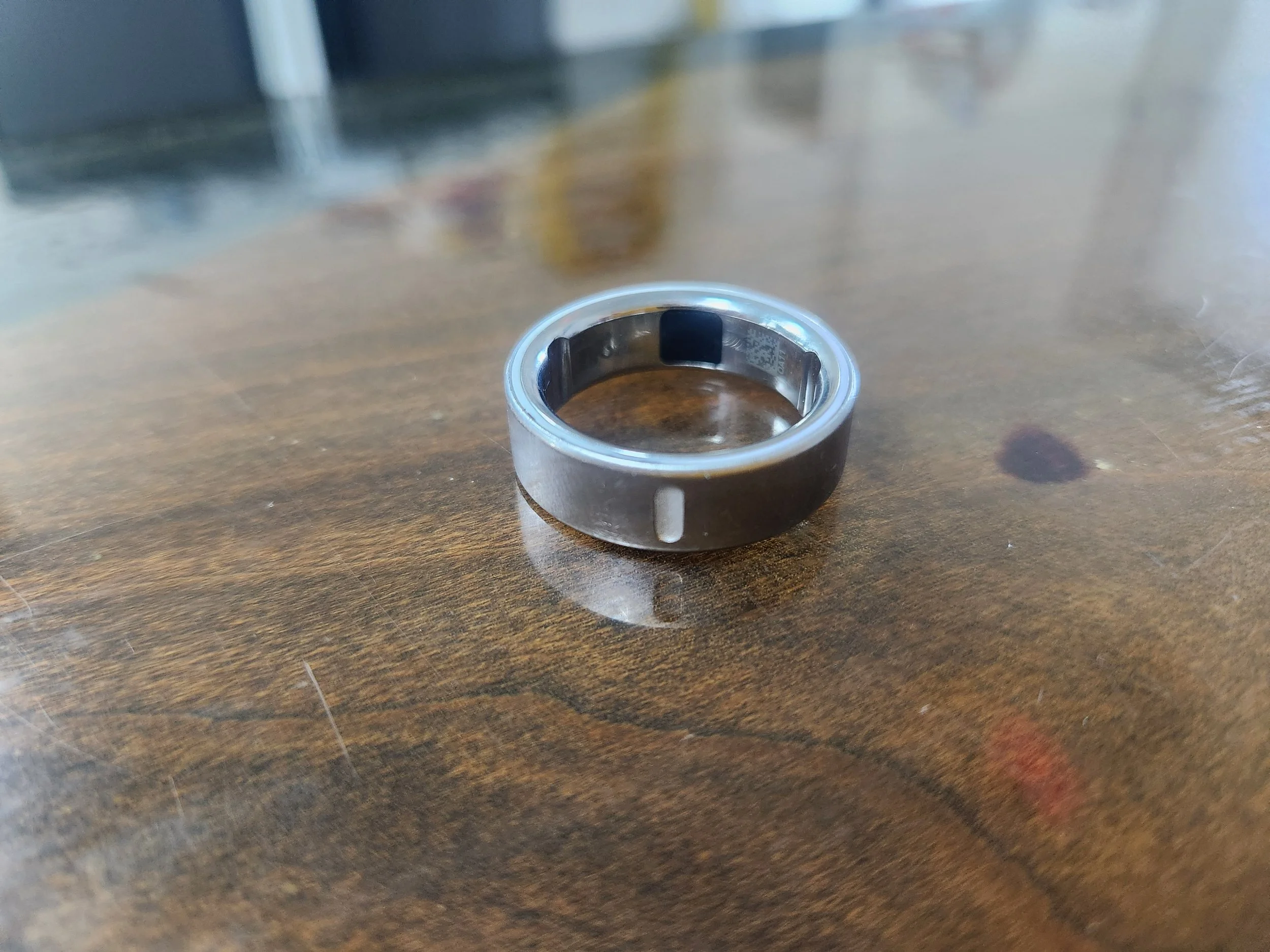
Wearables like Oura Ring, WHOOP, Garmin, or Apple Watch can measure HRV. Look for patterns rather than single numbers, what raises or lowers your HRV?Identify Triggers
Logging HRV alongside symptoms, diet, sleep, and stress levels can reveal personal flare-up triggers. For example, you may notice that poor sleep or high-intensity workouts drop your HRV before a flare.Support Nervous System Recovery
Practices that stimulate the parasympathetic system tend to increase HRV:Deep breathing or meditation
Gentle yoga or tai chi
Spending time in nature
Cold exposure (like a short cold shower)
Mindful rest days instead of pushing through fatigue
Balance Exercise Intensity
Movement is crucial for autoimmune health, but overtraining can worsen symptoms. HRV helps gauge recovery, if your HRV is low, it may be a day for lighter activity.Collaborate With Us
We are well versed in using HRV to balance the immune system. Share HRV patterns with us and we can help tailor your treatment plan, stress management strategies, or lifestyle interventions.
The most powerful aspect of HRV tracking is that it provides objective data. Instead of blaming yourself for a flare or feeling guilty for needing rest, HRV can affirm that your body is under strain and needs care. It shifts the focus from "pushing through" to "listening to your body."
HRV isn’t a cure for autoimmune disease, but it’s a valuable compass. By tracking and supporting your nervous system balance, you can gain better insight into your body’s stress and recovery patterns, helping you manage symptoms, improve resilience, and live with more stability.
Here is an example of what we call the “breathing spin down” to activate the parasympathetic nervous system:
Another potent tool to trigger the parasympathetic nervous system is lymphatic drainage. More on that here.
We put together a free PDF on 35 ways to improve HRV. You can get it here:

Caffeine and Asthma
I’ve had intermittent bouts of asthma throughout my life and it is usually triggered by allergies. I was recently in Brazil for 3 weeks, and my asthma worsened. I’m not sure what triggered it, but I had only brought one inhaler and it was almost empty. We drink a fair amount of coffee when we go there, and I noticed that it seemed to improve my symptoms. That’s when I remembered something I learned in grad school; caffeine belongs to a class of compounds called methylxanthines, the same class that includes theophylline, a drug that has been used for decades to treat asthma and chronic lung diseases like COPD.

I’ve had intermittent bouts of asthma throughout my life and it is usually triggered by allergies. I was recently in Brazil for 3 weeks, and my asthma worsened. I’m not sure what triggered it, but I had only brought one inhaler and it was almost empty. We drink a fair amount of coffee when we go there, and I noticed that it seemed to improve my symptoms. That’s when I remembered something I learned in grad school; caffeine belongs to a class of compounds called methylxanthines, the same class that includes theophylline, a drug that has been used for decades to treat asthma and chronic lung diseases like COPD.
I decided to see if caffeine can have a positive effect on asthma. So I dug into the research, and this is what I found:
1. Small but measurable improvement in lung function
Multiple studies show that a single caffeine dose improves FEV₁ (forced expiratory volume in 1 second) by about 5–12% in mild-to-moderate asthmatics.
The effect starts within ~30 minutes, peaks at ~1–2 hours, and lasts up to 4 hours.
2. Reduced airway hyper-responsiveness
Some trials found caffeine made airways less reactive to triggers (e.g., allergens, cold air), but the effect was mild.
3. Possible reduction in exercise-induced bronchoconstriction
Especially in athletes with asthma, caffeine taken before exercise reduced the fall in lung function afterwards.
Example: In Trinh et al., 1999, 9 mg/kg caffeine significantly reduced airway narrowing after intense activity.
4. No evidence for long-term control
All studies tested single doses, not daily use.
There is no strong evidence that caffeine prevents asthma attacks or improves symptoms long-term.
So it appears that there is some modest benefit. However, habitual coffee drinkers will likely have a higher tolerance, reducing the effect. It’s important to note that it is not a substitute for traditional treatment, however in the absence of an inhaler, it may act as a stop gap. It certainly helped me.
References:
Worthington BL, Anderson SD, Tikellis G, et al. Caffeine for asthma. Cochrane Database Syst Rev. 2010;(1):CD001112. doi:10.1002/14651858.CD001112.pub2
Becker RJ, Simons FER, Gillespie CA. Acute effects of caffeine on airway function in patients with asthma. Am Rev Respir Dis. 1984;129(6):909-912. doi:10.1164/arrd.1984.129.6.909
Trinh CK, Fahey GC, Mai LM, McKenzie DC. The effect of caffeine on exercise-induced bronchoconstriction. Med Sci Sports Exerc. 1999;31(5):694-699. doi:10.1097/00005768-199905000-00007
Tashkin RE. Caffeine and other methylxanthines: their potential for use in asthma. J Allergy Clin Immunol. 1986;78(4 Pt 2):686-690. doi:10.1016/0091-6749(86)90139-5
Global Initiative for Asthma (GINA). Global Strategy for Asthma Management and Prevention. Updated 2024. Accessed August 13, 2025. https://ginasthma.org

Improve Sleep with Manual Lymphatic Drainage (MLD)
Getting quality sleep is paramount to health, and so many of my patients struggle with this. Stress, screens (which disrupt circadian rhythm), and irregular schedules can wreak havoc on our ability to rest deeply. But what if a gentle, hands-on technique could help reset your body and improve the way you sleep? Manual Lymphatic Drainage, or MLD, can be a powerful tool to improve the quality of your sleep.
Getting quality sleep is paramount to health, and so many of my patients struggle with this. Stress, screens (which disrupt circadian rhythm), and irregular schedules can wreak havoc on our ability to rest deeply. But what if a gentle, hands-on technique could help reset your body and improve the way you sleep? Manual Lymphatic Drainage, or MLD, can be a powerful tool to improve the quality of your sleep.
MLD is a specialized technique designed to encourage the natural movement of lymph fluid through the body. The lymphatic system is a key component of your immune system, responsible for removing waste. When it becomes sluggish or congested, it can lead to swelling, fatigue, and a general feeling of heaviness. More recently, people are beginning to understand how this system also affects the nervous system, inflammation levels, and overall relaxation, all of which are tied closely to how well you sleep.
The connection between MLD and improved sleep lies in how the technique stimulates the parasympathetic nervous system. This is the part of your nervous system responsible for rest and recovery. When activated, it slows your heart rate, lowers blood pressure, and encourages a state of deep relaxation. Many people who receive MLD report feeling unusually calm during and after treatment. This calmness is not just pleasant in the moment but can carry over into the night, allowing for more restful and uninterrupted sleep.
In addition to calming the nervous system, MLD helps reduce physical discomfort that might interfere with sleep. It can relieve swelling in the limbs, improve sinus drainage, and even ease tension headaches. When the body feels less burdened by inflammation or fluid retention, lying down to sleep becomes easier and more comfortable. A lighter body often means a quieter mind.
Sleep is also when the brain performs many of its most vital functions, including waste removal through the glymphatic system. This system, closely related to the lymphatic system, becomes more active during deep sleep. Supporting lymph flow through MLD may complement the brain's natural detox process, creating a feedback loop where better lymphatic health leads to deeper sleep, and deeper sleep enhances lymphatic function.
In a world full of high-tech sleep aids and complex wellness advice, the gentle, rhythmic touch of Manual Lymphatic Drainage offers a simple and natural path to better rest. When your body feels lighter, your mind calmer, and your systems in harmony, falling asleep and staying asleep becomes less of a struggle and more of a nightly renewal.

Improve Vagal Tone with Breath Holds
When most people think about carbon dioxide, they associate it with pollution, breathlessness, or the waste product we exhale. But there's much more to CO₂ than meets the eye. In fact, this often misunderstood gas plays a subtle but powerful role in how our nervous system regulates stress, calmness, and emotional well-being.

When most people think about carbon dioxide, they associate it with pollution, breathlessness, or the waste product we exhale. But there's much more to CO₂ than meets the eye. In fact, this often misunderstood gas plays a subtle but powerful role in how our nervous system regulates stress, calmness, and emotional well-being.
At the center of this connection lies the autonomic nervous system, which is divided into two main branches: the sympathetic and the parasympathetic. The sympathetic system gears us up for action, referred to as the fight-or-flight response. The parasympathetic system helps the body relax, recover, and return to balance. It's the calm side of the nervous system, responsible for digestion, rest, and repair. The sympathetic system is stepping on the gas pedal whereas the parasympathetic system is like hitting the brakes.
Now here's where CO₂ comes in. Carbon dioxide isn't just a waste product. Our bodies actually rely on a certain level of it to function properly. In particular, mild increases in carbon dioxide can trigger the parasympathetic system. This happens because CO₂ has a direct influence on the respiratory control centers in the brainstem. These centers are constantly monitoring CO₂ levels in the blood, adjusting our breathing rate accordingly. In fact, the need to breathe is not from a lack of oxygen because we don’t have oxygen sensors. We have CO₂ sensors, so as CO₂ rises, that is what stimulates us to breathe.
When we breathe slowly and gently through the nose or practice controlled breath-holding, CO₂ levels rise slightly. This modest rise doesn't create stress but instead reduces the drive to over-breathe. As the body senses that it's safe to slow down, parasympathetic activity increases. Heart rate lowers, muscles relax, and the mind becomes more centered. This is one reason breathwork techniques are so effective at calming anxiety and reducing stress-related symptoms.
Physiologically, when CO₂ rises we become slightly more acidic and the CO₂ sensors tell the vasculature to dilate so as to get rid of too much CO₂. So if you’ve ever been dizzy from breathwork, it’s because blood is draining from your head. Conversely, if you don’t have enough CO₂, the vasculature constricts as an attempt to hang on to more CO₂. So blood pressure rises, and this can also cause dizziness.
However, the relationship between CO₂ and the nervous system isn't entirely one-sided. If CO₂ levels rise too much or too quickly, the effect is very different. Instead of promoting calm, it triggers a sympathetic response. This happens because a sharp rise in CO₂ causes air hunger and a sense of suffocation, which naturally activates a fight-or-flight reaction. On the flip side, if CO₂ levels fall too low, such as during hyperventilation, the body may also become anxious and restless, again stimulating the sympathetic nervous system. This shows us that balance is key. A slight increase in carbon dioxide can help settle the nervous system, but extremes in either direction lead to instability.
The takeaway here is that carbon dioxide plays a regulatory role in our nervous system that goes far beyond its role in respiration. When managed gently through breath awareness or guided breathwork, CO₂ becomes a tool for encouraging parasympathetic dominance. This can result in a calmer mind, a more stable mood, and even improved physical health.
The majority of people in western society live in a chronic sympathetic state. Getting more parasympathetic activity is likely a good idea if this is you. In fact, the rise in autoimmunity we are seeing is a result of the dysregulation of the nervous system. For some, breathwork may be a beneficial adjunct in helping to regulate the nervous system.
There are several ways to do this. We like to do box breathing. This is how to do it:
You can do this while laying down, or to add a bit of challenge, you can do it while walking like I did in the video.

Active vs Passive Recovery

Recovery is a key component to getting better at whatever it is your training for, and often neglected. The way I’ve come to think of it, is you exercise to enable recovery. The recovery is where the magic happens and you get the adaptation you want. That may be getting stronger, faster, losing weight, etc. However, recovery doesn’t just mean doing nothing. There’s a lot of confusion on what recovery actually is.
I like to categorize it in 2 ways; active and passive recovery. Passive recovery by far and large is sleep. So doing things to improve sleep quantity and quantity, and avoid things that inhibit sleep such as blue light and alcohol, is the best thing you can do. Here is an ebook on sleep optimization:
Passive recovery includes things that are passive in nature. This could be cold plunging, sauna, massage, or electric stimulation. This is the feel good stuff. Anything that puts you into a parasympathetic state. There seems to be a lot of confusion around cold plunging too; is it a stressor, is it recovery? It can be either depending on you. If you’re adapted to the cold, it’s more of a recovery tool. If you are brand new to it, it can be a stressor. Here is a video explaining it:
Active recovery is like taking your car from idling to first gear. It uses light movement to enhance blood flow, lymphatic circulation, and general perfusion of oxygen to the tissues. Generally you are still in a parasympathetic state, but it may raise your heart rate. This can include going for a walk (particularly in nature), a light bike ride, a swim, or doing breathwork.
Ultimately, recovery is not just about doing more or doing nothing. It’s about doing the right thing at the right time. Passive strategies create a foundation, but active recovery is what builds long-term resilience. Both have their place, and both are vital to getting you back to the life you want to live.
If you are unsure which type of recovery is best for your condition, feel free to reach out. At Dynamic Physio Naples, we’re here to help you make smart, informed choices for your health every step of the way.

Manual Lymphatic Drainage (MLD) for Digestive Health
Digestive health issues like bloating, constipation, and irritable bowel syndrome (IBS) can disrupt daily life and leave many searching for gentle, effective solutions. Manual Lymphatic Drainage (MLD) is gaining attention as a complementary therapy that may offer relief for various digestive complaints.

Digestive health issues like bloating, constipation, and irritable bowel syndrome (IBS) can disrupt daily life and leave many searching for gentle, effective solutions. Manual Lymphatic Drainage (MLD) is gaining attention as a complementary therapy that may offer relief for various digestive complaints.
MLD is a gentle, rhythmic massage technique designed to stimulate the flow of lymphatic fluid throughout the body. Unlike traditional massage, MLD uses very light pressure and specific movements to encourage the natural drainage of lymph, which carries waste products away from the tissues and back toward the heart.
How MLD Supports Digestive Health
Reduces Inflammation: Chronic inflammation is a key factor in many digestive disorders, including IBS. MLD helps by facilitating the removal of inflammatory substances and toxins from the intestinal area, which may reduce discomfort like bloating and abdominal pain.
Promotes Lymphatic Flow: Improved lymphatic circulation aids in the removal of waste and toxins from the digestive tract. This can enhance overall gut health and help reduce symptoms such as constipation and swelling.
Relieves Stress: Stress is a known trigger for digestive issues. MLD is relaxing and can help lower stress levels, potentially easing stress-induced digestive symptoms like indigestion and heartburn.
Enhances Immune Function: A healthy lymphatic system supports the immune system. By improving lymph flow, MLD may help reduce the frequency and severity of digestive flare-ups.
Encourages Gut Motility: Some studies suggest that MLD, especially when performed on the abdomen, can stimulate bowel movements and help prevent constipation by promoting better gut motility.
Research on MLD’s effectiveness for digestive health is still emerging. Preliminary findings and patient reports indicate that MLD may relieve symptoms such as bloating, abdominal discomfort, and constipation, particularly when included as part of a holistic approach to managing IBS and other digestive disorders. However, more studies are needed to confirm these benefits and understand the mechanisms involved.
MLD may be especially helpful for individuals with:
IBS or other functional digestive disorders
Chronic constipation or bloating
Abdominal swelling due to lymphatic congestion
High stress levels contributing to digestive symptoms
Manual Lymphatic Drainage offers a gentle, non-invasive way to support digestive health. By reducing inflammation, promoting detoxification, and easing stress, MLD may help improve gut function and quality of life for those dealing with digestive challenges. As research continues, MLD is a promising addition to the management of digestive health.

Manual Lymphatic Drainage and Post-Surgical Recovery
If you’ve just had surgery such as a knee replacement, a tummy tuck, or anything in between you’re probably eager to get back on your feet. One technique I always recommend for my post-op clients is Manual Lymphatic Drainage (MLD). MLD is a targeted approach and can be a game-changer for surgical recovery.

If you’ve just had surgery such as a knee replacement, a tummy tuck, or anything in between you’re probably eager to get back on your feet. One technique I always recommend for my post-op clients is Manual Lymphatic Drainage (MLD). MLD is a targeted approach and can be a game-changer for surgical recovery.
Surgery is a controlled trauma. Your body responds with inflammation and swelling as part of the healing process. But sometimes, that swelling (or edema) sticks around longer than it should, slowing your recovery, increasing discomfort, and even affecting your surgical results. That’s where your lymphatic system comes in. It's responsible for draining away excess fluid, cellular debris, and waste products that build up after surgery.
MLD is a specialized, gentle technique that stimulates your lymphatic system, encouraging lymph fluid to move away from the surgical site and back into circulation for elimination. Unlike deep tissue massage, MLD uses light, rhythmic strokes that follow the natural pathways of your lymph vessels. Here’s what that means for your recovery:
Reduces Swelling and Inflammation: By moving excess fluid out of tissues, MLD helps minimize that post-op puffiness and discomfort.
Accelerates Healing: With less swelling and better circulation, your body can deliver nutrients to healing tissues more efficiently—speeding up your return to normal activities.
Improves Scar Tissue Formation: MLD supports healthy tissue regeneration and can help minimize the formation of thick, restrictive scars.
Decreases Pain and Bruising: By clearing out inflammatory byproducts and reducing pressure on nerves, MLD can make you feel better, faster.
Prevents Complications: Regular lymphatic drainage can lower your risk of seromas (fluid pockets) and infections by keeping your immune system and fluid balance in check.
MLD is more than just a feel-good treatment, it’s a clinically supported intervention for post-surgical care. Studies have found that MLD reduces swelling, pain, and bruising, and can even improve mobility after orthopedic or cosmetic surgery. Some evidence suggests it may also enhance blood flow and help regulate your nervous system, supporting whole-body recovery.
Anyone recovering from cosmetic procedures (like liposuction, tummy tucks, facelifts)
Patients after orthopedic surgeries (joint replacements, ligament repairs)
Cancer survivors dealing with lymph node removal
Anyone experiencing prolonged swelling, stiffness, or slow healing after surgery
We start with an assessment, then use gentle, precise movements to clear the main lymphatic “hubs” before working around the surgical site. Most clients notice a decrease in swelling and discomfort within just a few sessions and often feel lighter and more mobile right away.
https://bestoahumassage.com/the-importance-of-post-surgery-lymphatic-drainage/
https://paulcdillonmd.com/blog/benefits-of-post-surgical-lymphatic-massage-after-plastic-surgery/
https://my.clevelandclinic.org/health/treatments/21768-lymphatic-drainage-massage
https://centreforsurgery.com/benefits-of-lymphatic-massage-after-cosmetic-surgery/
https://webermassage.com/manual-lymphatic-drainage-massage-post-surgery/
https://www.femfirsthealth.com/lymphatic-drainage-massage-post-surgical
https://drbednar.com/the-benefits-of-regular-lymphatic-massages-for-post-surgery-recovery/

How Poor Sleep Can Raise Your Blood Sugar
We all know how it feels after a bad night’s sleep. You wake up groggy, and maybe a little more irritable than usual. What you might not realize is that poor sleep can have a surprising effect on your blood sugar levels.

We all know how it feels after a bad night’s sleep. You wake up groggy, foggy, maybe a little more irritable than usual. What you might not realize is that poor sleep can have a surprising effect on your blood sugar levels.
Even if you don’t have diabetes, your body’s ability to manage blood sugar can take a real hit when you’re not sleeping well. Let’s break down how this works and what you can do about it.
The Stress Response
When you miss out on sleep, your body sees it as a type of stress. In response, it raises levels of cortisol, your main stress hormone. Cortisol is designed to help you stay alert and ready for action. But it also tells your liver to release more sugar into the bloodstream to give you energy.
If this only happens once in a while, your body can handle it. But if poor sleep becomes a habit, your cortisol levels stay high too often, and your blood sugar can stay elevated.
Lower Insulin Sensitivity
Insulin is the hormone that helps your cells absorb sugar from the blood. Poor sleep can make your cells less responsive to insulin, a condition called insulin resistance. This means the sugar stays in your bloodstream longer instead of being used for energy.
Studies have shown that just one or two nights of poor sleep can start to reduce insulin sensitivity. Over time, if this keeps happening, it raises the risk of developing prediabetes or type 2 diabetes.
More Cravings, Less Control
When you’re sleep-deprived, your appetite hormones get out of balance. Ghrelin, the hormone that makes you feel hungry, goes up. Leptin, the hormone that signals fullness, goes down.
This explains why you’re more likely to reach for sugary or high-carb snacks when you’re tired. Unfortunately, those choices can send your blood sugar on a roller coaster, making things even harder on your system.
Your Brain Needs Sugar Too
The brain is a major user of glucose, but when you’re sleep-deprived, it becomes less efficient at using it. This means more sugar lingers in your blood, and at the same time, your brain keeps signaling that it wants a quick source of energy. That’s why sleep loss often comes with those nagging cravings for sweets or junk food.
Inflammation Makes It Worse
Chronic poor sleep increases inflammation in the body. This inflammation interferes with how insulin works, adding another layer of difficulty in managing blood sugar levels. It’s a bit like adding fuel to the fire.
What Can You Do?
Here’s the good news. You can take simple steps to protect your sleep and your blood sugar:
Aim for seven to nine hours of sleep each night.
Keep a consistent sleep schedule, even on weekends.
Build a wind-down routine in the evening, avoiding screens and heavy meals before bed.
If you snore or wake up gasping, consider getting checked for sleep apnea. Learn more about that here.
Sleep is often overlooked when it comes to managing blood sugar, but it plays a major role. While diet and exercise are essential, improving your sleep could be the missing piece that helps balance your system.
If you’ve been struggling with sleep and notice your energy, mood, or cravings shifting, don’t ignore it. Make sleep a priority, and your body will thank you.

How Lymphatic Drainage Can Improve Autoimmunity
There is an acronym, T.I.G.E.R., from the work of Dr. Akil Palanisamy, for the 5 triggers of autoimmune disease. While it’s tempting to blame genetics, it’s really the interplay between your genes and your environment that dictates whether genes are expressed or not. This is termed ‘epigenetics’.

There is an acronym, T.I.G.E.R., from the work of Dr. Akil Palanisamy, for the 5 triggers of autoimmune disease. While it’s tempting to blame genetics, it’s really the interplay between your genes and your environment that dictates whether genes are expressed or not. This is termed ‘epigenetics’.
The T stands for toxins. According to Dr. Palanisamy, this is the biggest of the 5 triggers. Examples of toxins are microplastics, heavy metals, pesticides, etc. The lymphatic system is a vital part of your immune system. It consists of a network of vessels, lymph nodes, and lymph fluid, which work together to remove toxic substances. Unlike the cardiovascular system, the lymphatic system doesn’t have a central pump (like the heart). Instead, lymph fluid moves slowly through the body via muscle contractions, breathing, and manual stimulation [1].
Manual lymphatic drainage (MLD) is a specialized technique that encourages the natural flow of lymph fluid. Practitioners use light, rhythmic strokes to stimulate lymph nodes and vessels, helping the body eliminate metabolic waste, toxins, and excess fluid. Here’s how it works:
Enhances toxin removal: MLD facilitates the movement of interstitial fluid, helping remove cellular waste and foreign substances more efficiently [2].
Reduces inflammation: By improving drainage and tissue oxygenation, MLD may help reduce local inflammation, which is a key factor in many chronic conditions [3].
Improves circulation: Boosted lymphatic flow can enhance microcirculation, contributing to better tissue repair and immune defense [4].
Autoimmune diseases occur when the immune system mistakenly attacks the body’s own tissues. Conditions like lupus, rheumatoid arthritis, and Hashimoto’s thyroiditis involve chronic inflammation and immune dysregulation.
A sluggish lymphatic system may contribute to autoimmune symptoms in several ways:
Toxin accumulation: Poor lymph flow can lead to a buildup of cellular waste and toxins, which may trigger or worsen immune responses [5].
Inflammatory feedback loop: Chronic inflammation can impair lymphatic function, and in turn, a congested lymph system can perpetuate inflammation [6].
Immune cell trafficking: The lymphatic system is essential for transporting white blood cells. Dysfunction in this system may impair immune regulation [7].
By promoting detoxification and reducing inflammation, lymphatic drainage may help break this cycle and support the body's natural immune balance. Supporting the body’s natural detox pathways is an essential step toward immune health, especially in the context of autoimmune disease. Lymphatic drainage offers a gentle, non-invasive way to stimulate detoxification, reduce inflammation, and stimulate the parasympathetic nervous system.
References
Gashev, A. A. (2010). Physiology of the lymphatic system. Colloquium Series on Integrated Systems Physiology.
Foldi, M., Foldi, E., & Kubik, S. (2003). Textbook of Lymphology: For Physicians and Lymphedema Therapists. Elsevier.
Bakar, Y., Tugral, A., & Keklik, S. (2014). Effects of Manual Lymph Drainage on Pain and Health-Related Quality of Life in Patients with Fibromyalgia: A Randomized Controlled Trial. Journal of Manipulative and Physiological Therapeutics, 37(2), 117–123.
Zawieja, D. C. (2009). Lymphatic biology and the microcirculation: past, present and future. Microcirculation, 16(7), 643–654.
Dietrich, L., et al. (2020). Impaired lymphatic drainage promotes tissue inflammation and autoimmunity. Nature Immunology, 21(12), 1456–1468.
Kataru, R. P., et al. (2019). Lymphatic Dysfunction in Chronic Inflammatory Diseases. Current Opinion in Immunology, 61, 97–103.
Randolph, G. J., et al. (2017). The lymphatic system in disease processes and immunity. Cell, 170(4), 807–821.

A Review of PRP Effectiveness
Platelet-Rich Plasma (PRP) therapy has emerged as a promising treatment in regenerative medicine, leveraging the body's own healing mechanisms to address various musculoskeletal and dermatological conditions. By concentrating platelets from a patient's blood, PRP injections deliver growth factors that can accelerate tissue repair and reduce inflammation. However, the efficacy of PRP varies across different body parts and conditions.

Platelet-Rich Plasma (PRP) therapy has emerged as a promising treatment in regenerative medicine, leveraging the body's own healing mechanisms to address various musculoskeletal and dermatological conditions. By concentrating platelets from a patient's blood, PRP injections deliver growth factors that can accelerate tissue repair and reduce inflammation. However, the efficacy of PRP varies across different body parts and conditions.
PRP is prepared by drawing a small amount of the patient's blood, which is then processed to concentrate the platelets. These platelets release growth factors that stimulate tissue regeneration, and promote healing. The therapy is minimally invasive and is administered through injections directly into the affected area.
Clinical Uses and Evidence by Body Part
The following table summarizes the current evidence on the efficacy of PRP injections for various body parts:


Recent Studies and Meta-Analyses
Knee Osteoarthritis: A meta-analysis of randomized controlled trials (RCTs) found that PRP injections provided significant pain relief and functional improvement compared to hyaluronic acid and saline, with effects lasting up to 12 months .(PubMed)
Rotator Cuff Tears: A systematic review and network meta-analysis indicated that PRP injections led to better long-term pain relief and functional improvement in patients with rotator cuff tears compared to corticosteroid and sodium hyaluronate injections .(BioMed Central)
Lateral Epicondylitis: A systematic review and meta-analysis of RCTs found that PRP injections significantly improved pain and function in patients with lateral epicondylitis, with effects lasting up to one year .(PubMed)
Achilles Tendinopathy: A meta-analysis of RCTs showed that PRP injections led to significant improvements in pain and function in patients with Achilles tendinopathy, with effects lasting up to 12 weeks .(MDPI)
Hair Restoration: A meta-analysis of clinical trials demonstrated that PRP therapy significantly increased hair density in patients with androgenic alopecia, with the number of treatments correlating with greater improvements .(PubMed)
Limitations and Considerations
While PRP therapy shows promise, several factors can influence its efficacy:
Preparation Technique: The method of preparing PRP can affect its concentration and potency.
Injection Protocol: The number of injections and their frequency can impact outcomes.
Patient Factors: Age, overall health, and the presence of comorbidities can influence healing responses.
Condition Severity: Chronic or severe conditions may require more intensive or repeated treatments.
Additionally, PRP therapy is not universally covered by insurance, and costs can vary widely.
PRP injections have demonstrated efficacy in treating various musculoskeletal and dermatological conditions, with the most robust evidence supporting their use in knee osteoarthritis, rotator cuff tears, lateral epicondylitis, and hair restoration. However, the success of PRP therapy depends on several factors, including the preparation technique, injection protocol, and patient-specific variables. Further research is needed to standardize treatment protocols and identify optimal patient populations.

Pain Between the Shoulder Blades and How to Fix it
When I was in grad school, I had to sit in front of my laptop for hours on end. Eventually, I developed a nagging pain between the shoulder blades. I tried stretching it, rolling on a ball, worked on my posture, but nothing seemed to alleviate it. It wasn’t until I graduated and no longer had to spend as much time sitting in front of the computer that it went away. Now that I'm an older, wiser physio, I know how to fix it.

When I was in grad school, I had to sit in front of my laptop for hours on end. Eventually, I developed a nagging pain between the shoulder blades. I tried stretching it, rolling on a ball, worked on my posture, but nothing seemed to alleviate it. It wasn’t until I graduated and no longer had to spend as much time sitting in front of the computer that it went away. Now that I'm an older, wiser physio, I know how to fix it.
The reason those muscles get painful is because they are becoming ischemic. Ischemia means lacking oxygen which happens from lack of blood flow. That slouched, seated position places the scapular muscles on a low load, long term stretch. That’s what reduces blood flow to the tissues. Remember, pain is your body’s request for change. It has sensed there’s an issue in those muscles and it’s trying to cue you to move and restore normal blood flow. Simply squeezing your shoulder blades together for 100 reps or so may be enough to get you through your work day. However, there are a few exercises you should do for a longer term fix.
Making those muscles stronger means they will have a greater capacity for the demand you place upon them. The ideal is to not sit for so long, and taking breaks or using a stand up desk will be helpful. But, life happens and that’s the reality for most of us. We have to do a lot of seated work. So getting those tissues stronger and more resilient will be beneficial. Here’s a simple exercise that will help with that:
This part of the spine (thoracic) tends to get stiff. The shape of that part of the spine is called kyphosis, and being seated leads to an increase in kyphotic posture. So going the opposite way into extension, or what we call reverse posture, can be beneficial:
It’s important to note that this is not the cause of all scapular pain. There is also referred pain from organs. So if these exercises do not help, see your trusted medical provider.

How to Warm-Up for Pickleball
Several years ago, I set up a tent and table at the US open for Pickleball in Naples, FL. We saw a ton of injuries, ankles and calves, elbows, some back and some shoulders. It’s tempting to name a blog like this, “how to prevent injuries”, but that’s misleading. You can’t truly prevent injuries, however you can improve your warm-ups for the best possible outcome.

Several years ago, I set up a tent and table at the US open for Pickleball in Naples, FL. We saw a ton of injuries, ankles and calves, elbows, some back and some shoulders. It’s tempting to name a blog like this, “how to prevent injuries”, but that’s misleading. You can’t truly prevent injuries, however you can improve your warm-ups for the best possible outcome.
Most injuries occur because your body is not ready for whatever activity you are about to do. Overuse injuries are simply when you outwork what the capacity of your muscles and nervous system are ready for. Weaker muscles get overused faster, keep that in mind.
Some injuries occur because you don’t have adequate range of motion for your sport. For instance, most sports are highly rotational and a pattern I see every day is that many athletes are missing hip internal rotation. The way the body works is that when you are trying to perform a function, it’ll find what it needs. So as you rotate, you’ll soak up your hip rotation, then your lumbar rotation, until it finds what it needs. So that means that you might be pushing past your available range. That’s like taking a hammer and lightly hitting your thumb. Eventually, with enough repetition, it’ll start to hurt.
Other injuries such as cramping, occur because your internal environment is not optimal. This means tissue perfusion (blood flow) and nutrition. Obviously, sports require energy. So having a salad before a pickleball tournament is not adequate. You will eventually crash. Your body will preserve calories for your vital organs over musculature. The muscles also require water and electrolytes to contract. This is another huge missing piece. Many athletes focus on hydration, but fail to realize that you lose electrolytes when you are sweating. Your kidneys' job is to keep balance between water and electrolytes, so it’ll keep dumping water until you raise your electrolytes.
So, to create the best possible scenario:
Match your calories to the activity. You should eat more on the day of a tournament.
Hydrate and add electrolytes. I like the brand LMNT. Do that an hour or two prior to playing, and throughout the activity.
Think blood flow. Your warm up should be active. At rest, and particularly after a meal, your blood pools in your gut. You want blood to get to the periphery.
Touch the end ranges of motion. This is not the time to passively stretch or foam roll. You should prioritize active motion.
As always, prioritize sleep. Nothing works well when you have slept poorly.
If there’s one drill I would do, it would be the 27 squat drill. It perfuses the body with blood, and works all the ranges of motion of the ankles, knees, and hips.
If you want more ideas on pickleball warm-up (and recovery), check out our program:

Is It Neuropathy or a B12 Deficiency?
Peripheral neuropathy is a condition that affects people in a “stocking and glove” pattern, meaning the hands and feet. This can cause numbness and tingling, and/or loss of sensation. As it progresses, it can lead to balance problems as the sensation in your feet help you stay balanced. There are many things that cause this such as diabetes, peripheral artery disease, smoking, alcoholism, and certain viral infections. However, one under-appreciated cause is B12 deficiency. The good news is it’s treatable.

Peripheral neuropathy is a condition that affects people in a “stocking and glove” pattern, meaning the hands and feet. This can cause numbness and tingling, and/or loss of sensation. As it progresses, it can lead to balance problems as the sensation in your feet help you stay balanced. There are many things that cause this such as diabetes, peripheral artery disease, smoking, alcoholism, and certain viral infections. However, one under-appreciated cause is B12 deficiency. The good news is it’s treatable.
Vitamin B12, also known as cobalamin, is a water-soluble vitamin that plays a key role in nerve function, red blood cell production, DNA synthesis, and brain health. In fact, you can develop anemia from B12 deficiency due to its role in red blood cell production. But it’s role in nerve function is what can mimic peripheral neuropathy.
B12 deficiency can cause demyelination, which means the protective coating (myelin sheath) around your nerves starts to break down. Without that insulation, nerve signals misfire, causing symptoms almost identical to those of peripheral neuropathy.
In severe cases, it can even lead to cognitive decline, mood changes, or difficulty walking.
There are several reasons why your B12 levels might drop:
Dietary deficiency: Especially in vegans or vegetarians, since B12 is found mainly in animal products.
Malabsorption issues: Conditions like pernicious anemia, celiac disease, or Crohn’s disease can prevent proper B12 absorption.
Medications: Long-term use of drugs like metformin or proton pump inhibitors (PPIs) can interfere with B12 absorption.
Age: Older adults often produce less stomach acid, which is needed to absorb B12 from food.
The tricky part is that B12 deficiency can either cause peripheral neuropathy or mimic it so closely that doctors may miss the root cause. That’s why it’s essential to check B12 levels, especially in people experiencing new or worsening neuropathy symptoms.
A simple blood test can measure your B12 levels. It’s also a good idea to check methylmalonic acid (MMA) and homocysteine, which can indicate deficiency even if B12 levels are borderline.
B12 deficiency may be a silent impostor, hiding behind the mask of neuropathy, but it’s also one of the most treatable causes of nerve symptoms out there.
If you’re experiencing strange sensations, fatigue, or balance issues, don’t just assume it’s “just getting older” or jump straight to a diagnosis of peripheral neuropathy. Check your B12 status. Sometimes, a small vitamin can make a massive difference.

Breathe Better: How Isocapnic Training Can Help Improve COPD
Chronic Obstructive Pulmonary Disease (COPD) can feel like carrying the weight of your own breath. Tasks most people take for granted such as climbing stairs, walking the dog, even getting dressed, can become daily challenges. But what if a unique breathing technique could actually help ease these struggles? That’s where isocapnic training comes into play.

Chronic Obstructive Pulmonary Disease (COPD) can feel like carrying the weight of your own breath. Tasks most people take for granted such as climbing stairs, walking the dog, even getting dressed, can become daily challenges. But what if a unique breathing technique could actually help ease these struggles? That’s where isocapnic training comes into play.
Isocapnic training is a form of respiratory muscle training that involves breathing exercises while maintaining a stable level of carbon dioxide (CO₂) in the blood. It’s typically done with the help of a special device that allows you to breathe in and out against resistance, forcing your respiratory muscles, especially your diaphragm and intercostals, to work harder.
Unlike regular aerobic exercise or traditional pulmonary rehab, isocapnic training specifically targets the muscles you use to breathe, and it does so in a way that avoids hyperventilation or dizziness by keeping your CO₂ levels steady.
People with COPD often have weakened respiratory muscles, especially after years of shallow breathing and reduced physical activity. Here’s how isocapnic training can make a difference:
Strengthens Respiratory Muscles
By working the breathing muscles against resistance, isocapnic training can help build endurance and strength, much like lifting weights strengthens your arms or legs.
Improves Ventilation Efficiency
With stronger respiratory muscles, your lungs can move air more efficiently. That means less effort to breathe and more oxygen to your body with every breath.
Reduces Dyspnea (Shortness of Breath)
People who use isocapnic training often report feeling less short of breath, especially during daily activities or light exercise.
Helps Maintain CO₂ Balance
For some COPD patients, especially those prone to CO₂ retention, this type of training can improve the body's ability to regulate carbon dioxide, which helps prevent complications like fatigue and confusion.
One study found that isocapnic training improved exercise tolerance, quality of life, and respiratory muscle strength in people with moderate to severe COPD. They were able to walk longer distances, perform daily tasks with more ease, and felt less breathless overall.
Here is the device that we like for isocapnic training (use code DYNAMIC2024 for 10% off):
COPD doesn’t have to define your life. While there’s no cure, tools like isocapnic training offer a way to reclaim some control over your breathing and your day-to-day comfort. By strengthening the very muscles you rely on with every breath, you can breathe easier, move more, and live better.
What Does the Science Say?
1. Isocapnic Hyperventilation vs. Walking Exercise Training at Home
A randomized controlled trial compared isocapnic hyperventilation training (VMT) with home-based walking exercise in COPD patients. The study found that while pulmonary function did not change in either group, the VMT group experienced significant improvements in ventilatory muscle endurance and exercise performance, including increased VO₂max and VEmax. In contrast, the walking group showed only increased walking endurance time. These results suggest that isocapnic hyperventilation training can enhance respiratory muscle function and overall exercise capacity in COPD patients.
2. Meta-Analysis on Inspiratory Muscle Training in COPD
A systematic review and meta-analysis evaluated the effects of inspiratory muscle training (IMT) in COPD patients. The analysis indicated that IMT significantly improved inspiratory muscle strength (P_Imax), endurance, functional exercise capacity (e.g., 6-minute walk distance), and reduced dyspnea. These findings underscore the efficacy of IMT in enhancing respiratory muscle function and exercise tolerance in individuals with COPD.
3. Controlled Inspiratory Muscle Training in COPD Patients
A meta-analysis assessed the impact of controlled inspiratory muscle training in COPD patients. The study found that IMT led to significant improvements in inspiratory muscle strength, endurance, and exercise capacity. These enhancements contribute to better management of COPD symptoms and improved quality of life for patients.
4. Home-Based Inspiratory Muscle Training
Research has shown that home-based inspiratory muscle training can effectively improve exercise capacity, reduce exertional dyspnea, and enhance pulmonary function in COPD patients. This approach offers a convenient and accessible means for individuals to engage in respiratory muscle training, leading to better disease management and symptom control.

What Are Triglycerides?
Triglycerides are a type of lipid, or fat, that circulates in your bloodstream. Chemically speaking, a triglyceride is made up of three fatty acids attached to a glycerol molecule (hence the name tri-glyceride). Your body creates them from excess calories, particularly from sugars and fats, and stores them in fat cells for later use.

When most people hear the word "fat" in a medical context, they usually think of cholesterol. But there's another key player in your blood that's just as important to understand: triglycerides.
If you've recently had blood work done and noticed your triglyceride levels flagged as "high," you're not alone, and it's not something to ignore. Let's dive into what triglycerides are, why they matter, and how to keep them in check.
Triglycerides are a type of lipid, or fat, that circulates in your bloodstream. Chemically speaking, a triglyceride is made up of three fatty acids attached to a glycerol molecule (hence the name tri-glyceride). Your body creates them from excess calories, particularly from sugars and fats, and stores them in fat cells for later use.
Think of triglycerides as your body’s backup energy supply, they're like the long-term savings account of fuel. When you're between meals or exercising, your body taps into those reserves.
Your body can make triglycerides on its own, but food plays a major role in your blood levels. Here’s how:
Carbs and sugars (like sweets, soda, white bread) can get converted into triglycerides when consumed in excess.
Fats can directly contribute to higher triglyceride levels.
Alcohol is a big trigger too; even moderate drinking can cause a spike.
In short: if you eat more calories than you burn, your body converts that surplus into triglycerides.
While triglycerides themselves aren’t inherently bad, elevated levels are a red flag for your metabolic health. Here’s what high triglycerides can mean:
Increased risk of heart disease
Greater chance of developing Type 2 diabetes
Potential for pancreatitis (especially when triglycerides exceed 500 mg/dL)
Part of metabolic syndrome, a cluster of conditions that raise your heart risk
According to most labs:
Normal: Under 150 mg/dL
Borderline high: 150–199 mg/dL
High: 200–499 mg/dL
Very high: 500+ mg/dL
Several lifestyle and medical factors can contribute:
Lifestyle Causes:
Diets high in sugars, refined carbs, and unhealthy fats
Sedentary behavior
Obesity
Heavy alcohol use
Medical Causes:
Insulin resistance and Type 2 diabetes
Underactive thyroid (hypothyroidism)
Kidney or liver disease
Certain medications (like beta-blockers, corticosteroids, and estrogen)
The good news? Triglycerides are very responsive to lifestyle changes. Here’s what can help:
Cut down on sugar and refined carbs: Think white bread, pastries, soda.
Choose healthy fats: Olive oil, avocados, nuts, and fatty fish.
Exercise regularly: Even brisk walking a few times a week makes a difference.
Lose weight if needed, even 5–10% of body weight can help.
Limit alcohol: Or cut it out entirely if your levels are high.
Triglycerides might not get as much attention as cholesterol, but they’re just as important when it comes to your heart and metabolic health. A simple blood test can tell you where you stand, and if your levels are high, the steps you take now can significantly lower your risk of serious health problems down the road.
Your body’s always trying to strike a balance. With the right habits, you can help keep your triglycerides and your overall health in a happy place.

Boosting Insulin Sensitivity with Nitric Oxide
We have four main homeostatic regulators of the body; pH, temperature, O2/CO2, and blood sugar. Insulin plays a vital role in maintaining our blood sugar. SBecause of this, staying insulin sensitive is vital to human health. Over the course of a lifetime, as your cells stop responding to insulin (from a high processed/high sugar diet) we become pre-diabetic, then progress to diabetes. All cells of the body have insulin receptors, so when they stop responding to insulin, a whole host of problems can arise. Luckily, there are lots of natural ways to improve insulin sensitivity. As it turns out, a molecule called nitric oxide (NO) is one of many ways to improve insulin sensitivity.

We have four main homeostatic regulators of the body; pH, temperature, O2/CO2, and blood sugar. Insulin plays a vital role in maintaining our blood sugar. Because of this, staying insulin sensitive is vital to human health. Over the course of a lifetime, as your cells stop responding to insulin (from a high processed/high sugar diet) we become pre-diabetic, then progress to diabetes. All cells of the body have insulin receptors, so when they stop responding to insulin, a whole host of problems can arise. Luckily, there are lots of natural ways to improve insulin sensitivity. As it turns out, a molecule called nitric oxide (NO) is one of many ways to improve insulin sensitivity.
Nitric oxide is a gaseous signaling molecule that is produced by the endothelial cells lining your blood vessels. It has a number of important physiological functions, most notably its ability to dilate blood vessels, which improves blood flow. This process is called vasodilation, and it allows for better circulation and the delivery of oxygen and nutrients to tissues throughout the body.
Nitric oxide also has an impact on cellular function, including its effects on metabolism and insulin sensitivity. It plays a crucial role in helping your body utilize insulin more efficiently, which is why it's increasingly being recognized as an important factor in managing and preventing metabolic conditions like insulin resistance.
Nitric oxide enhances insulin action by improving blood flow and promoting the transport of glucose into cells. Here’s how it works:
Improved Blood Flow and Glucose Delivery: As nitric oxide causes vasodilation, it increases the blood flow to muscles and tissues. This means that glucose, which is transported through the bloodstream, can reach cells more efficiently. As a result, the cells are better able to respond to insulin, allowing for more effective glucose uptake and better blood sugar regulation.
Reduced Inflammation: Chronic inflammation is a key contributor to insulin resistance. Nitric oxide has anti-inflammatory properties, which can help lower levels of inflammation in the body. By reducing inflammation, nitric oxide can help prevent the onset of insulin resistance and improve overall metabolic health.
Muscle Function and Insulin Sensitivity: Nitric oxide has also been shown to improve muscle function and energy production. Since muscles are key players in glucose uptake and storage, improved muscle function can enhance insulin sensitivity. When muscles are more responsive to insulin, they can better absorb glucose and store it as glycogen, thus helping to maintain balanced blood sugar levels.
Endothelial Health: Nitric oxide is crucial for maintaining the health of the endothelium (the lining of your blood vessels). A healthy endothelium ensures proper blood flow and circulation, which is vital for nutrient and oxygen delivery. Proper endothelial function is directly tied to insulin sensitivity, as poor circulation can impair glucose and insulin transport.
Natural Ways to Boost Nitric Oxide
While your body naturally produces nitric oxide, lifestyle factors like diet, exercise, and sleep can influence its production. Here are some natural ways to boost nitric oxide levels in your body:
1. Nitrate-Rich Foods
Nitrates, which are found in certain vegetables, are converted into nitric oxide in the body. Foods that are particularly high in nitrates include:
Beets: Beets are packed with nitrates, which are quickly converted to nitric oxide. Consuming beet juice or roasted beets can have a profound effect on nitric oxide levels.
Leafy Greens: Vegetables like spinach, arugula, kale, and swiss chard are also rich in nitrates.
Radishes: Another nitrate-rich vegetable that can contribute to increased nitric oxide levels.
2. Foods High in Antioxidants
Antioxidants play an important role in protecting nitric oxide from being broken down by free radicals. Certain foods can enhance nitric oxide production and protect it from oxidative stress. Some of the best foods for boosting nitric oxide include:
Berries (blueberries, strawberries, raspberries)
Citrus fruits (oranges, grapefruits, lemons)
Dark chocolate (in moderation, with at least 70% cocoa)
Pomegranate: This fruit is rich in antioxidants and has been shown to improve nitric oxide levels.
3. Exercise Regularly
Exercise, particularly aerobic and resistance training, can naturally boost nitric oxide production. Physical activity stimulates the endothelial cells to release more nitric oxide, which leads to better circulation and improved insulin sensitivity.
High-intensity interval training (HIIT) has been shown to be particularly effective at boosting nitric oxide production and improving insulin sensitivity.
Even moderate exercise, such as walking or swimming, can have a positive impact on nitric oxide levels.
4. Get Enough Sleep
Adequate sleep is essential for maintaining healthy nitric oxide levels. Sleep deprivation can impair the body’s ability to produce nitric oxide, which can negatively impact insulin sensitivity and overall metabolic health. Aim for 7-9 hours of quality sleep each night to help regulate nitric oxide production.
5. L-Arginine and L-Citrulline
L-Arginine and L-Citrulline are amino acids that act as precursors to nitric oxide. By consuming foods rich in these amino acids or taking supplements, you can boost nitric oxide levels. Some good sources of L-Arginine and L-Citrulline include:
Watermelon: This fruit is a rich source of L-Citrulline, which can enhance nitric oxide production.
Nuts and seeds: Almonds, walnuts, and sunflower seeds are good sources of L-Arginine.
Lean meats and fish: Chicken, turkey, and salmon also contain L-Arginine.
6. Stay Hydrated
Dehydration can impair nitric oxide production, so it’s important to stay hydrated throughout the day. Drink plenty of water to support the body's natural functions, including the production of nitric oxide.

Magnesium and HPA-D
If you’ve been feeling stressed, tired, or burned out lately, you may be experiencind HPA-D (hypothalamus-pituitary-adrenal axis dysfunction). This is heavily involved in the bodies stress response. Magnesium could be the missing piece to help you feel better. While we often think of magnesium as a mineral important for bone health or muscle function, it plays a crucial role in supporting your adrenal glands, which are responsible for producing the stress hormone cortisol. Let’s dive into the link between magnesium and adrenal function, and why ensuring you have enough magnesium in your diet can make all the difference.

If you’ve been feeling stressed, tired, or burned out lately, you may be experiencind HPA-D (hypothalamus-pituitary-adrenal axis dysfunction). This is heavily involved in the bodies stress response. Magnesium could be the missing piece to help you feel better. While we often think of magnesium as a mineral important for bone health or muscle function, it plays a crucial role in supporting your adrenal glands, which are responsible for producing the stress hormone cortisol. Let’s dive into the link between magnesium and adrenal function, and why ensuring you have enough magnesium in your diet can make all the difference.
What Do Your Adrenal Glands Do?
Your adrenal glands, located on top of your kidneys, are small but powerful organs that help regulate a variety of functions in the body. They produce several important hormones, including cortisol, adrenaline, and aldosterone, which are involved in stress responses, metabolism, immune system regulation, and fluid balance. When you’re stressed, your adrenal glands go into high gear, releasing cortisol to help you cope with the stress.
But when stress is chronic, like in today’s fast-paced world, your stress response can become overly spiked. This can lead to symptoms of what’s often called (and wrongly called) adrenal fatigue. Technically it’s really the HPA axis. This can lead to chronic tiredness, low energy, difficulty sleeping, and even anxiety. This is where magnesium steps in to help.
How Magnesium Supports Your Adrenal Glands
Magnesium plays an essential role in keeping your adrenal glands working smoothly. Here’s how it helps:
Regulates Cortisol Production
Magnesium helps maintain balanced cortisol levels. Cortisol is your body’s primary stress hormone, but too much of it can lead to negative health effects like anxiety, high blood pressure, and even weight gain. Magnesium has a calming effect on the nervous system, helping to keep cortisol production in check, especially during periods of stress. This balance is crucial for preventing the over-activation of the HPA axis.Promotes Hormonal Balance
The adrenal glands don’t just produce cortisol—they also produce other hormones, like aldosterone and adrenaline, which help regulate blood pressure and energy. Magnesium helps ensure these hormones remain in balance. If your magnesium levels are too low, it can affect how your adrenal glands release these critical hormones, leading to problems like fluctuating blood pressure or energy crashes.Magnesium Deficiency Can Worsen Stress
Magnesium plays a role in over 300 enzymatic processes in your body, many of which are directly related to energy production and cell function. Without enough magnesium, your body may struggle to manage stress, leading to an increased sensitivity to stressors. This can place extra strain on your adrenal glands, further contributing to feelings of exhaustion and burnout.
Signs You Might Be Magnesium Deficient
If you’re dealing with chronic stress, fatigue, or symptoms of adrenal burnout, magnesium deficiency might be a contributing factor. Some common signs of magnesium deficiency include:
Muscle cramps or spasms
Anxiety or irritability
Insomnia or poor sleep quality
Fatigue and weakness
High blood pressure or heart palpitations
If you’re experiencing these symptoms, it may be worth looking into your magnesium levels and considering ways to boost your intake.
How to Boost Your Magnesium Levels
The good news is that magnesium is relatively easy to incorporate into your diet. Here are some magnesium-rich foods to help support your adrenal glands:
Leafy greens (spinach, swiss chard)
Nuts and seeds (almonds, pumpkin seeds, sunflower seeds)
Fish (salmon, mackerel)
Shellfish (crabs, oysters, lobsters)
Meat (lamb, liver, pork)
Avocados and bananas
Yogurt
Dark chocolate
Figs
If you're not getting enough magnesium from food, you might consider magnesium supplements. However, it’s always a good idea to speak with a healthcare professional before starting any supplementation.
What does it mean if your magnesium is too high?
High magnesium levels, or hypermagnesemia, can occur when the body is unable to properly excrete magnesium, often due to kidney dysfunction, excessive magnesium supplementation, or certain medications. In individuals with thyroid issues, particularly hypothyroidism, magnesium levels may become elevated because the thyroid plays a key role in regulating electrolyte balance, and an underactive thyroid can impair kidney function, leading to magnesium retention. Additionally, magnesium is essential for the conversion of the inactive thyroid hormone (T4) into its active form (T3), and an imbalance in magnesium—whether too high or too low—can disrupt this process, further affecting thyroid function. This creates a feedback loop where both thyroid and magnesium imbalances can influence each other, complicating the overall hormonal regulation in the body.
Magnesium is more than just a mineral for bones, it’s a key player in supporting your adrenal glands and keeping your stress response in check. By ensuring you have enough magnesium, you’re not only promoting better overall health but also helping to balance your hormones and prevent HPA-axis dysfunction.
If you’re feeling overwhelmed, tired, or stressed out, it may be time to take a closer look at your magnesium intake. Simple dietary changes can make a big difference in supporting your adrenal glands and improving your overall well-being.