
What your score means
Your Dynamic Flex Index results suggest that Movement Capacity may currently be one of the biggest constraints on your ability to adapt, perform, and stay physically resilient. This domain reflects how well your body tolerates movement and physical stress - including your strength, mobility, endurance, balance, and confidence performing the activities that matter to you.

Why it matters
Reduced Capacity → Lower Tolerance → Avoidance → Deconditioning → Even Less Capacity
Your body is designed to adapt to physical demands. Every time you walk, lift, climb stairs, exercise, play a sport, or simply move through your day, your muscles, joints, cardiovascular system, and nervous system must work together to meet that demand. A resilient body isn't one that never experiences discomfort. It's one that has enough capacity and options to handle changing physical demands.

When you need more help
When movement capacity decreases, activities that were once easy can begin to feel harder. You may notice stiffness, weakness, reduced endurance, recurring aches and pains, difficulty recovering from activity, or hesitation to move because you're worried about aggravating something. Over time, doing less can further reduce your capacity. The goal isn't simply to become more flexible or stronger. It's to build a body that can confidently handle more of what life asks of it.
Your First 3 Steps
1
Move More Often
Your body adapts to what you repeatedly ask it to do. Look for opportunities to add movement throughout your day such as walking, changing positions, taking the stairs, getting on the floor, carrying things, or breaking up long periods of sitting. You don't need every movement to be a workout. Movement itself is practice.
2
Build Strength
Strength creates physical reserve. When your muscles are stronger, everyday activities require a smaller percentage of your maximum capacity making things like climbing stairs, lifting groceries, traveling, playing with your kids, or returning to recreational activities easier. Start with movements you can perform comfortably and progressively increase the challenge over time.
3
Expand Your Movement Options
Your body benefits from experiencing different movements, positions, speeds, and loads. Instead of only stretching what feels tight, gradually expose your body to the movements it has stopped doing. Squat. Reach. Rotate. Carry. Push. Pull. Balance. Walk faster. Walk farther. The goal isn't perfect movement. It's more movement options and greater capacity. Think: Challenge → Recover → Adapt
Build the Foundation for Better Movement
Movement capacity isn't just about strength or flexibility, it's about giving your body the resources it needs to move, recover, and adapt. This free 9-Point Checklist covers the foundational habits that support better movement, less pain, improved recovery, and long-term physical resilience. Start with the basics, build your capacity, and keep doing the things you love.
More Resources
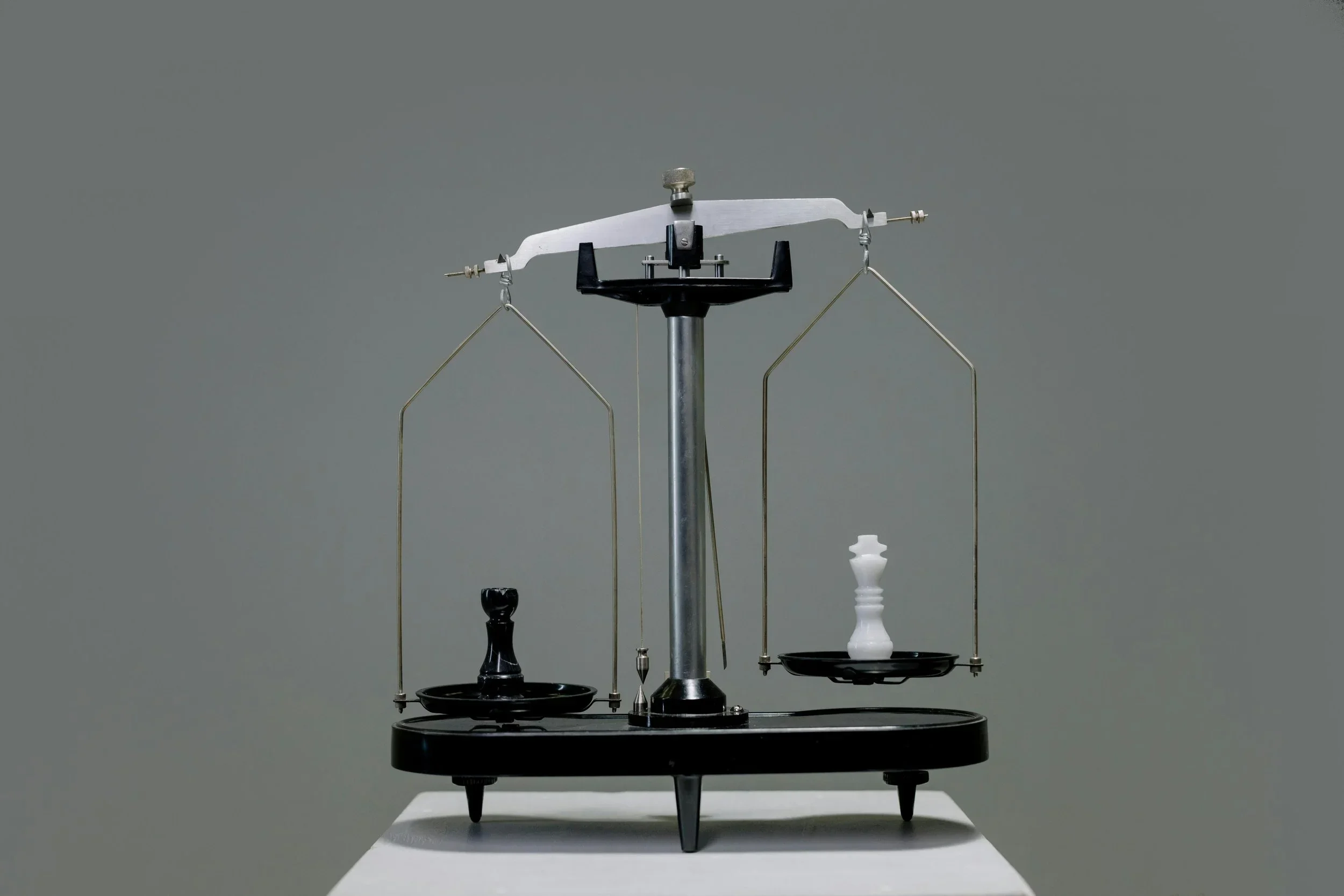
Pathology: Imbalance Determines When, Structure Determines Where
Why is that achy knee acting up again? Is it that last set of lunges you did? Or what caused your autoimmune disease to flare up? It’s easy to blame that one thing, but the truth is, it’s been a slow burn going on in the background and you reached a tipping point. When it comes to any maladies; pain, injury, or chronic disease, it’s the build up of imbalance that determines when things flare up. Your most vulnerable tissue or system, like a canary in a coal mine, determines where the malady sets in.
The Canary in the Coalmine - How the Exposome Exposes Our Weakest Link
On this episode, I talk about a recent reaction I had and how that relates to the idea of the exposome and allostatic load. I discuss some recommendations for dealing with internal and external stressors.
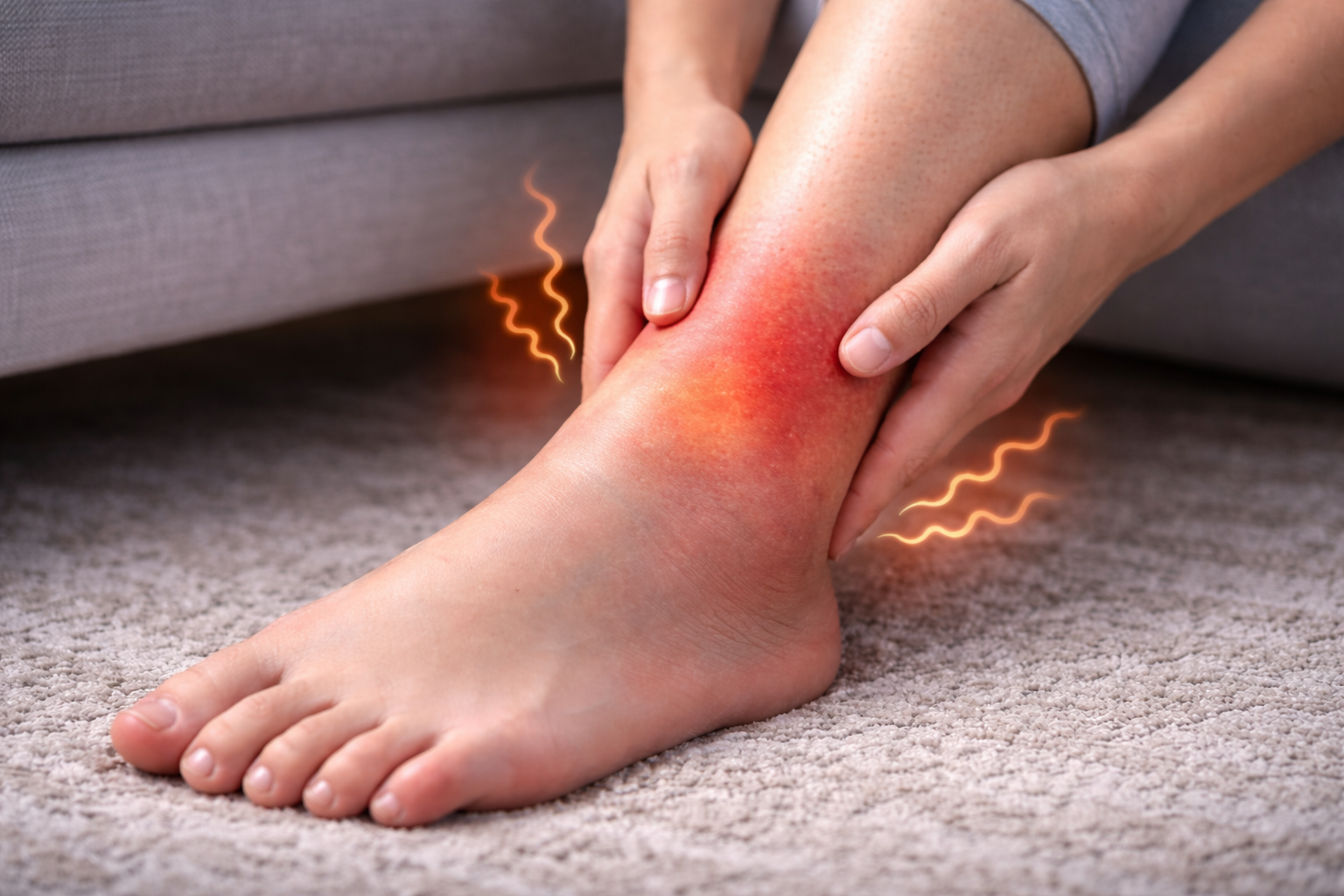
Is Inflammation Actually Bad?
Inflammation is one of those words that gets thrown around a lot and ends up feeling vague. Inflammation is bad, right? But it’s also a stage of healing, so that must be good…right?